You’ve probably tried to “get organized” before, you might have told yourself you should finally fix everything.
When you look at your tasks, you might feel like you can’t keep track of anything. When you look at your space, you can feel how cluttered it gets.
And no matter what you try, you might notice it just doesn’t stick.
The problem isn’t that you’re lazy or that you can’t organize. You don’t need more tools, you just need the right ones you can actually use.
In this article, we’re going to keep things simple so you can finally feel in control.
You’ll learn which organizing tools you actually need, which ones you can ignore, and how you can use them in a way that would make your life easier, not more complicated.
Why You Still Feel Disorganized After Trying So Many Things?
You’ve probably tried to get organized more than once, you might have told yourself you should finally get it right this time.
Maybe you downloaded a few apps you thought you could rely on, bought a planner you would use daily, or cleaned your space with full motivation because you felt you must fix it.
For a few days, you could feel everything under control. But then, when you least expect it, things might start slipping again.
Tasks can pile up, your space can get messy, and you could find yourself right back where you started. When this happens, you might think it’s your fault but it’s not.
What Are Organizing Tools And Do You Really Need Them?
Organizing tools are simply things that help you keep your life in order, you can use them to manage your time, track your tasks, store your belongings, or organize your information.
They can be digital, like apps you can use, or physical, like notebooks and folders you might keep. But you don’t need to collect as many tools as you can.
A lot of people think that if you have more tools, you will be more organized.
So you keep trying new apps, buying planners you might use, or adding more storage without asking if it actually helps you.
When you do that, it usually makes things worse because you add more complexity instead of reducing it. Instead of feeling organized, you can end up feeling more overwhelmed.
The truth is, you don’t need many tools to stay organized. You only need a few that you understand well and can use regularly.
A tool is only useful if it fits your routine and solves a problem you face every day. If you don’t use it, it won’t matter how good it is.
So instead of asking, “What tools should you use?” you should ask, “What problem do you need to solve?”
When you know that, you can choose the right tool more easily and avoid wasting time and money on things you don’t need.
What Exactly Are You Trying to Organize?
Before you start picking tools, you need to understand what part of your life actually feels out of control, you should notice where you struggle first.
When you skip this step, you might try to fix everything at once, and that can make things harder for you.
Organization isn’t one single problem, you can see it show up in different ways depending on your situation.
For some people, the main issue is time. You might forget important dates, miss deadlines, or feel like you can’t find enough hours in the day.
Others struggle with tasks, you may have a long list of things you should do but don’t know where you can start, so nothing gets done properly.
Then there are times when you’re dealing with physical clutter, your desk, your room, or your home can feel messy, and you can see how it affects your focus and mood.
Digital clutter is another problem you might face. Your files can get scattered, your notes might be saved in random places, and you can’t find important information when you need it.
And sometimes, the problem is mental clutter, you may have too many thoughts, ideas, and responsibilities running in your mind, and you can feel how it makes it harder to stay clear and focused.
If you don’t identify your main problem, you’ll end up using tools that won’t really help you.
A calendar won’t fix your messy room, and storage boxes won’t help you manage your time.
That’s why you should be honest about what’s actually bothering you. Once you know that, you can choose tools that directly solve your problem instead of guessing.
Tools That Help You Manage Your Time and Daily Tasks
If your days feel unstructured and you often forget things, then you should focus on managing your time and tasks first.
When you notice this, you can see how simple tools might make a big difference in your daily routine.
You don’t need anything complicated to get started, but you do need something you can rely on.
A calendar is one of the most important tools you can use. It helps you track meetings, appointments, and deadlines you must remember.
When you write everything in one place, you don’t have to rely on your memory.
A digital calendar is usually better because it can send reminders and keep everything synced, so you don’t miss things.
Along with a calendar, you also need a way to manage your daily tasks. This is where a to-do list can help you.
It gives you a clear picture of what you need to do and helps you stay focused. Instead of keeping everything in your head, you should write it down and take one step at a time.
You can use an app or a notebook, what matters is that you use it regularly.
The key is not to overcomplicate things. You don’t need multiple apps or systems you think you should follow.
A simple calendar and a task list are enough for you. When you use them daily, you can stay on track and reduce the stress of forgetting things.
Tools That Keep Your Digital Life Clean and Easy
Digital clutter can quietly build up over time, and you might not even notice it at first, but it can make your life harder than it needs to be.
When your files are scattered, your notes are unorganized, and your accounts are hard to manage, you can start feeling how it affects your productivity.
One of the most useful tools you can use here is cloud storage. It allows you to keep your important files in one place so you can access them anytime.
Instead of saving files on different devices or losing them, you should keep everything in one system that you can trust.
A notes app is another tool you can rely on. It helps you capture ideas, store useful information, and avoid writing things in random places.
When you have one place for your notes, you can easily find what you need later without wasting time.
You should also keep your files organized in simple folders.
It doesn’t have to be complicated, you can create basic categories that make sense to you so you can quickly find your documents whenever you need them.
A password manager can also help you a lot. Instead of trying to remember passwords or resetting them again and again, you can store them in one place and access them when you need them.
The goal is to keep your digital life simple. When everything is in one place and organized, you can spend less time searching and more time getting things done.
Tools That Help You Organize Your Home and Workspace
The space around you has a direct impact on how you feel and how productive you can be.
When your environment gets cluttered, you can feel how it becomes harder for you to focus, and even simple tasks might feel overwhelming.
That’s why you should organize your home and workspace, just like you manage your time and tasks.
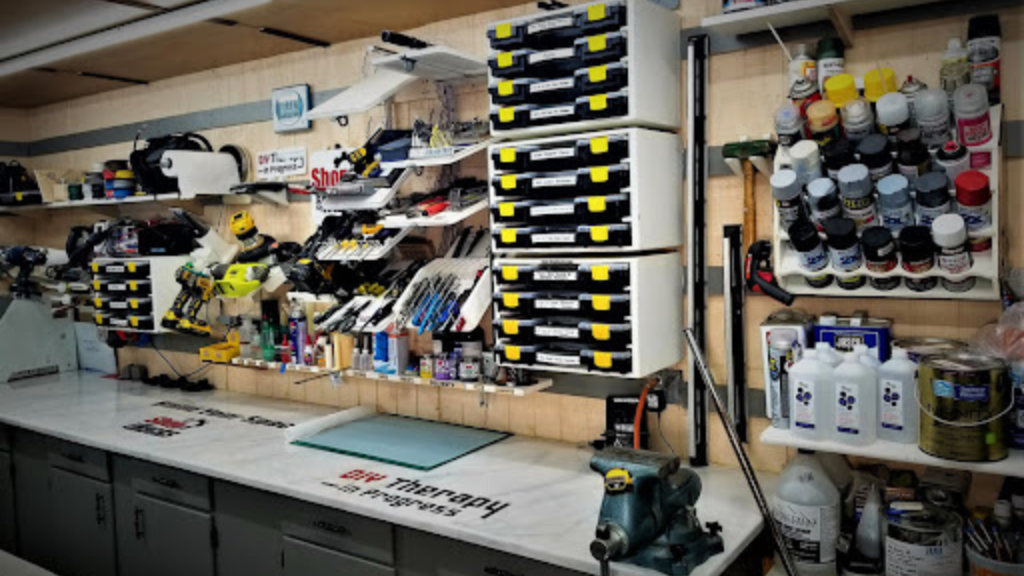
Storage tools like boxes and bins can help you group similar items together and reduce clutter. Instead of leaving things scattered, you can give everything a place.
When you do that, your space looks cleaner, and you can easily find what you need.
Desk organizers can help you keep your everyday items in order. When your desk is clear, you can focus better and work without distractions.
For important papers, you should use a simple filing system. Instead of letting documents pile up, you can sort them into folders so you can access them when needed.
Labels can also make things easier for you. When everything is clearly labeled, you don’t have to waste time searching or guessing where things belong.
But before you use any of these tools, you need to declutter. If you keep things you don’t use, no tool will really help you.
When you remove what you don’t need, you can manage what’s left more easily and that’s what helps you keep your space organized.
How to Choose the Right Tools Without Wasting Money
Choosing organizing tools doesn’t have to be complicated, but you should be careful.
A lot of people end up wasting money because they buy things without thinking about how they’ll actually use them.
Just because something looks useful or popular doesn’t mean it will work for you.
The first thing you should ask is whether the tool solves a real problem in your life. If you don’t have a clear reason, you probably don’t need it.
For example, you shouldn’t buy a planner if you already use a digital calendar every day.
You should also think about ease of use. If a tool feels complicated or takes too much effort, you won’t be able to stick with it.
The best tools are simple and fit into your routine so you can use them without stress.
Another important factor is consistency. You need to ask yourself if you can actually use this tool every day or every week. If you can’t, then it’s not the right choice for you.
It’s also a good idea to start small. You can try free apps before you pay for anything, and you can test simple storage before buying expensive organizers.
The goal isn’t to have the best tools. It’s to have the right tools that you will actually use.
How to Stay Organized Without Starting Over Every Week
One of the biggest frustrations you can face is having to start over again and again. You organize everything, you feel good for a few days, and then you slowly lose control.
This usually happens because you don’t have a system you can use to maintain things.
Staying organized is not something you do once, it’s something you have to manage regularly with small actions.
You don’t need hours to keep things in place. A few minutes each day can make a big difference.
For example, you can quickly review your tasks, check your calendar, and put things back where they belong before you end your day.
A weekly reset can also help you stay on track. This is a simple routine where you clean your space, organize your files, and plan your next week.
It doesn’t have to be perfect, you just need something you can follow so things don’t get out of control.
The key is consistency. When you keep maintaining your system, you don’t have to start from zero again.
Simple habits are what help you keep everything working in the long run.
Conclusion
At the end of the day, staying organized is not about having the best tools or the most advanced system, it’s about finding what actually works for you and keeping it simple enough so you can use it every day.
You don’t need to copy what others are doing. Your system should fit your lifestyle, your habits, and your needs.
What really matters is that it helps you feel more in control and less overwhelmed in your daily life.
You should start small. You can focus on the areas that cause you the most stress, and you should use just a few basic tools to build a simple routine around them.
When that becomes a habit for you, you can always improve things step by step.
Remember, tools are only there to support you, they are not the solution on their own.
The real difference comes when you use them consistently and keep your system simple enough to maintain.
That’s how you can create lasting organization without feeling overwhelmed.

Hi, my name is Zeeshan, and I am the founder of The Crafts Geek. I have been passionate about DIY projects, home organization, and creative problem-solving for years. Over time, I realized that simple storage solutions and practical DIY ideas can make a huge difference in how a home looks and functions.