If you feel like your pantry is always messy no matter how often you organize it, the problem isn’t you, it’s how your pantry was designed.
You try to put things away neatly, but soon you find that you can’t find what you need.
You push food to the back, and before you know it, you’re buying things you already have.
Every time you open your pantry, you might feel a little frustrated, and you start thinking maybe you’re just bad at keeping it organized, but you’re not.
When you look closer, you’ll see that your pantry wasn’t designed for how you actually use it.
Maybe the shelves are too deep, or the lighting is poor, or you just can’t create a clear system.
You’ll notice these little design problems create daily headaches you can’t fix just by tidying up.
If you’re planning a new pantry or a kitchen remodel, you’ll want to avoid these mistakes, because they can cost you time, money, and more of your patience than you’d like.
In this article, you’ll discover the most common pantry design mistakes people make—and how you can fix them so your pantry finally works the way you want it to every single day.
What a Good Pantry Actually Looks Like?
Before you fix any mistakes, you need to see what a good pantry feels like for you in real life.
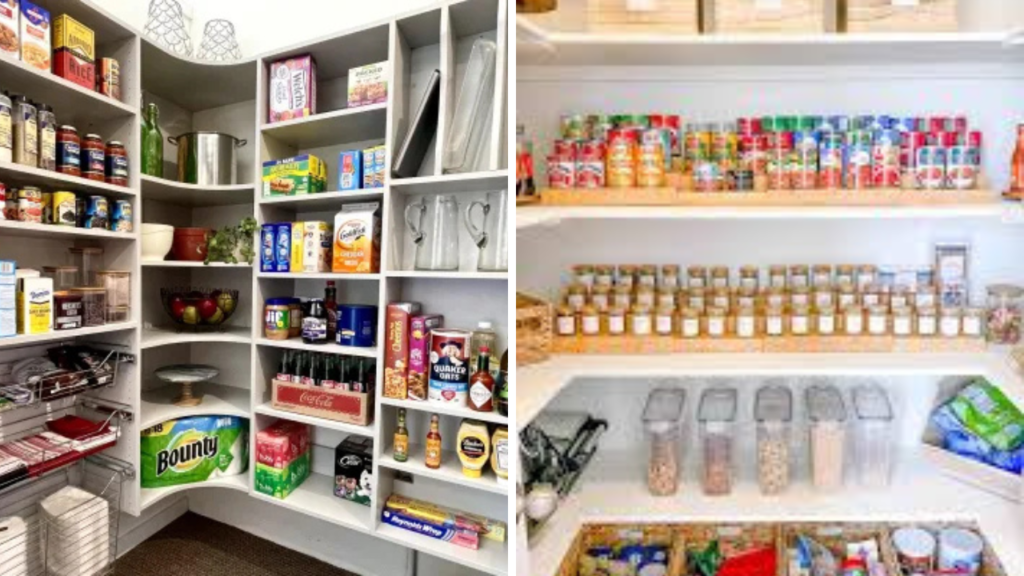
You’ll notice a well-designed pantry lets you see everything quickly, and you can reach items without effort.
You can keep things organized without constantly moving them around. Nothing gets lost at the back, and you don’t feel stressed when you open it.
You’ll see it should support your daily routine, whether you cook a lot, snack often, or store bulk items.
You might think a good pantry is about fancy shelves or Pinterest looks, but you’ll realize it’s really about making your life easier every single day.
If you can find things fast, avoid waste, and stay organized with minimal effort, then you know the design is really working for you.
10 Pantry Design Mistakes To Avoid
Following are the few 10 pantry design mistakes to avoid.
1. You Didn’t Plan
You might design your pantry based on looks or general ideas, but you’ll quickly see that your real habits matter more.
You use your pantry differently than anyone else. You might cook every day, or maybe you store bulk groceries, or you just keep snacks.
If you don’t plan around how you actually use it, you’ll notice your pantry never feels right.
You’ll find that items you use often can end up in hard-to-reach spots, while things you rarely touch take up prime space.
You’ll feel the frustration building, and it slows you down every time you open the door.
A good pantry for you starts with understanding your routine, what you use most, how often you reach for it, and how much space you really need for each category.
2. Your Shelves Are Too Deep
You might think deep shelves are a smart way to add storage, but you’ll soon find they often cause more problems than they solve.
When your shelves are too deep, you’ll push items to the back and forget about them.
You might end up buying duplicates, or you’ll have to throw away expired food. You’ll see this isn’t an organization problem, it’s a design flaw.
You should be able to see everything at a glance. If you have to dig through items, the pantry is clearly working against you.
You’ll find that shallower shelves or pull-out systems let you keep track of what you have and help you reduce waste.
3. Your Pantry Is Too Dark
You might not realize how much lighting affects your pantry, but you’ll notice a dark pantry makes it hard for you to see what’s inside, especially on lower or deeper shelves.
When visibility is poor, you’ll overlook items and forget about them. You might end up with clutter or wasted food without even realizing it.
You should have good lighting so that you can open the door and instantly see everything clearly.
You’ll find that proper lighting can turn your pantry from a frustrating space into one that feels simple, efficient, and easy for you to use every day.
4. You Wasted Vertical Space
You might notice that many pantries either waste vertical space or use it poorly.
You could leave empty space at the top, or you might stack shelves so high that you can’t reach them easily. You’ll see that both approaches reduce how usable your pantry is.
You should use vertical space wisely while keeping everything within your reach.
You’ll want items you use daily to be easy for you to grab, while things you use less often can go higher.
If you have to struggle or stretch too much, you’ll know the design needs improvement.
You’ll find that the goal is to balance storage and accessibility so your pantry works perfectly for you.
5. Your Pantry Location
You’ll notice that where your pantry is located really affects how smoothly your kitchen works.
If it’s too far from your main work area, you might find yourself walking back and forth constantly.
You could even deal with traffic in tight spaces, and you’ll see how quickly that becomes frustrating.
You should have a pantry that supports your kitchen flow, not interrupts it.
When it’s placed correctly, you’ll save time, and you’ll find everyday tasks become easier and less stressful for you.
6. Pantry Door Is Taking Up Space
You might overlook your pantry door, but you’ll quickly see how much it affects how you use the space.
If your door opens inward or is poorly placed, you could block shelves, limit storage, or make your pantry feel cramped.
You’ll notice that in small spaces, this becomes a real problem.
You might struggle to reach items or lose valuable storage without even realizing it.
You should consider a better door design so that you can access everything easily and make your pantry more efficient.
You’ll see that the goal is to make sure your door doesn’t interfere with how you use your pantry every day.
7. You Don’t Have Zones
You’ll notice that without clear zones, your pantry quickly becomes chaotic.
You might see snacks, dry goods, spices, and bulk items all mixed together, and you’ll struggle to find anything when you need it.
You could waste time and feel frustrated every time you open the door.
You should group similar items together so you always know where to look.
You’ll find that zones create structure and make your pantry easier for you to maintain.
When everything has a place, you’ll see that your pantry stays organized with much less effort.
8. You Tried to Store Too Much
You might try to fit too many items into a small pantry, but you’ll quickly see how that backfires.
When your pantry is overcrowded, you’ll struggle to use it and you’ll find it even harder to maintain.
You could end up stacking items, hiding things, or forgetting what you have.
You should give your pantry some breathing room so you can access everything easily.
You’ll notice that storing less but organizing better often works much more effectively than trying to squeeze in every inch of space.
9. Your Pantry Can’t Adapt
You’ll notice that your storage needs change over time, but many pantries aren’t designed to adapt.
You might have fixed shelves or rigid layouts that make it hard for you to adjust when your habits or household size changes.
You’ll see that what worked for you once may stop working later. You should look for a pantry design that lets you adapt.
You’ll find that adjustable shelves and flexible storage options make it much easier for you to keep the space functional in the long run.
10. You Focused on Looks
You might have a pantry that looks beautiful, but you’ll quickly notice that if it’s not practical, it will frustrate you every single day.
You could fall into the trap of focusing on appearance rather than usability. You’ll see that while aesthetics matter, function should always come first.
You should have a pantry that makes your life easier, not harder.
If you prioritize how it works over how it looks, you’ll find that you end up with a space that stays useful and enjoyable for you over time.
How to Check If Your Pantry Design Will Cause Problems
Before you finalize or judge your pantry, you should test how well it actually works for you.
You might ask yourself simple questions: Can you see everything easily? Can you reach items without effort?
Do you know where things belong? If you can’t answer yes, you’ll see that the design needs improvement.
You should do this quick check so you can spot problems early and avoid frustration later.
You’ll notice that a pantry should feel simple and natural for you to use, not complicated.
Conclusion
You should have a pantry that makes your daily routine smoother, not harder.
You’ll notice that most problems come from design choices, not from how you organize things.
When you focus on how your pantry actually works for you in real life, you can avoid common mistakes and create a space that lasts.
You’ll see that a well-designed pantry helps you save time, reduce waste, and keep your kitchen running efficiently.
You should aim for one simple goal, you want it to be easy for you to use every single day.

Hi, my name is Zeeshan, and I am the founder of The Crafts Geek. I have been passionate about DIY projects, home organization, and creative problem-solving for years. Over time, I realized that simple storage solutions and practical DIY ideas can make a huge difference in how a home looks and functions.