
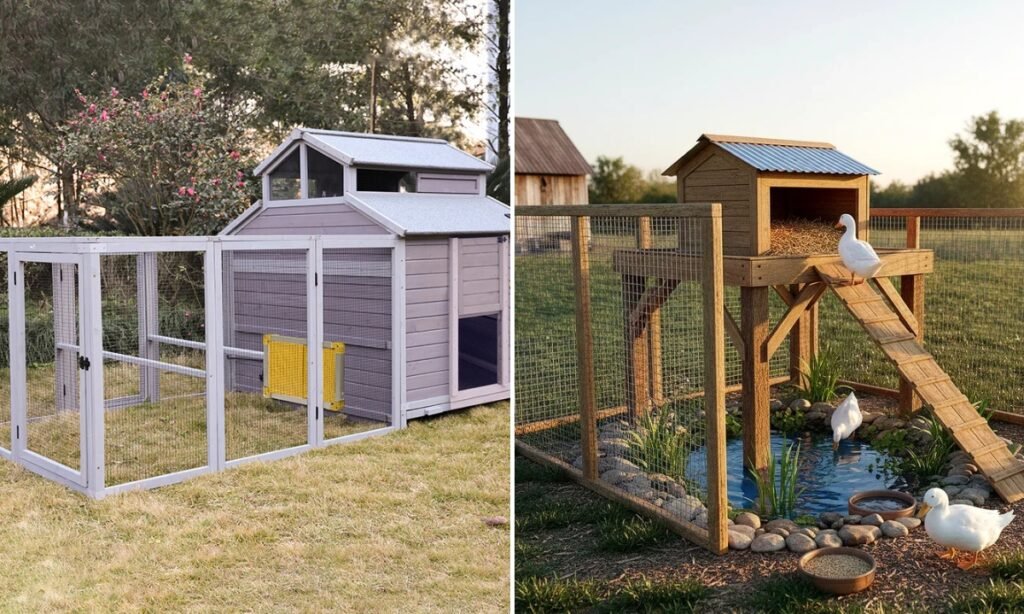
If your duck enclosure always smells bad, stays muddy, or feels impossible to keep clean, you are not the only one dealing with it.
Many duck owners start with a setup that looks good at first, but within a few weeks, the ground turns into wet mud, bedding stays soaked, and the whole area becomes harder to manage every day.
Some people also notice bigger problems after a while. Ducks start getting dirty feathers, foot problems, breathing issues, or stress from overcrowding.
In many cases, predators find weak spots in the enclosure long before the owner notices them.
The problem is that ducks need a very different setup than chickens. They use more water, create more moisture, and damage poor drainage areas much faster than most beginners expect.
Small enclosure mistakes can quickly turn into daily cleaning problems, unhealthy living conditions, and expensive repairs.
In this article, you will learn the most common duck enclosure mistakes, why they happen, and what you can do to fix them before they become bigger problems.
Why Duck Enclosures Become Messy So Fast
Duck enclosures become messy faster than most beginners expect.
Ducks use water all day for drinking, cleaning their nostrils, and washing their feathers. While doing this, they splash water everywhere.
Once water mixes with dirt, the ground quickly turns into mud.
Another reason is duck waste. Duck droppings contain a lot of moisture, so wet areas build up very quickly.
If the enclosure has poor drainage, the mud never fully dries. Ducks then keep walking over the same wet ground, which makes the soil even more compact and messy.
Many owners think constant cleaning will solve the problem. In reality, the setup itself is usually the issue.
A duck enclosure should have separate wet and dry areas. Water containers should sit on gravel, sand, or another draining surface.
The location also matters. Low ground collects rainwater and creates standing puddles. Over time, this leads to strong smells, flies, bacteria, and unhealthy conditions.
Once owners understand how ducks affect their environment, it becomes easier to fix the real problem.
Good drainage, smart water placement, and dry sleeping areas make the enclosure cleaner and easier to manage.
1: Using a Chicken Coop Setup
Many beginners make the mistake of using a chicken coop for ducks. At first, this may seem fine, but ducks have very different needs.
Chickens like dry conditions and sleep on roosts. Ducks sleep on the floor, use more water, and create far more moisture.
A coop made for chickens usually cannot handle wet bedding and muddy conditions.
This often leads to damp floors, dirty feathers, bad smells, and unhealthy air inside the coop.
Some chicken coops also have steep ramps or small entrances that are uncomfortable for ducks.
Another problem is space. Ducks need enough room to move around because they spend the night resting together on the ground.
A better setup focuses on airflow, moisture control, and easy cleaning. The coop should have dry bedding, good ventilation, and simple ground-level access.
Many duck owners notice huge improvements once they stop copying chicken setups. The coop stays cleaner, the ducks stay healthier, and daily maintenance becomes easier.
2: Letting Water Turn the Ground Into Mud
Water is one of the biggest reasons duck enclosures fail. Ducks need water every day, but poor water management quickly destroys the ground.
A common mistake is placing pools or bowls directly on dirt. Ducks splash water constantly, and the wet soil soon turns into mud.
As ducks keep walking over the same area, the ground becomes compacted and drainage gets worse.
This creates a cycle. Mud traps more water, bad smells increase, and bacteria begin growing faster. Flies also become more common.
Mud is not only messy. Constant exposure to wet ground can lead to dirty feathers, foot problems, and stress.
Many owners try cleaning more often, but prevention works better than constant cleanup. Water containers should sit on gravel, sand, or another draining surface.
Keeping the water area away from the sleeping area also helps reduce moisture inside the coop.
Ducks need water for healthy behavior, so the goal is not removing water. The goal is controlling where that water goes before it damages the enclosure.
3: Putting Containers in the Wrong Place
Many duck owners focus on giving ducks enough water but ignore where the water should go. Poor placement creates mud, wet bedding, and extra cleaning work.
One common mistake is putting water containers inside the coop. Ducks splash while drinking and cleaning themselves, so nearby bedding becomes wet very quickly.
Another issue happens when water sits in busy walking areas. Ducks repeatedly move through wet spots and spread mud across the enclosure.
Some owners also use shallow containers. Ducks need enough water depth to clean their nostrils and eyes properly.
A better solution is creating a separate water zone. Place water containers on gravel, sand, or concrete with proper drainage underneath.
Keeping water outside the coop whenever possible also helps reduce indoor moisture and improve airflow.
Water areas should also be easy to clean because ducks dirty water quickly. Good water placement keeps bedding drier, reduces mud, and makes the enclosure much easier to maintain.
4: Using Bedding
Wet bedding is a common problem in duck enclosures. Many owners choose bedding that cannot handle the amount of moisture ducks create.
Some bedding materials stay damp for too long and trap moisture inside the coop. Once bedding remains wet, bacteria and ammonia begin building up.
This creates strong smells and unhealthy air. Ducks may also develop dirty feathers, skin irritation, or foot problems because they spend a lot of time sitting on the floor.
Another beginner mistake is using very thin bedding layers. Thin bedding becomes soaked quickly and needs constant replacement.
Good bedding should absorb moisture well and dry reasonably fast. Wood shavings, straw, and sand are common choices when managed properly.
However, bedding alone cannot solve moisture problems. Poor drainage and bad ventilation will still make the coop wet.
The sleeping area should stay as dry as possible. Replacing wet spots early helps prevent bigger problems later.
Dry bedding improves air quality, keeps ducks cleaner, and makes the coop easier to manage every day.
5: Keeping Too Many Ducks
Overcrowding causes many enclosure problems. Ducks need enough space to move, rest, and stay clean.
When too many ducks live in a small area, mud forms faster, bedding gets dirty quicker, and moisture builds up throughout the enclosure.
Overcrowding also increases stress. Some ducks may struggle to reach water or resting areas, while weaker ducks can become bullied.
Air quality becomes another issue. More ducks in a tight space means more waste and stronger ammonia smells.
Many beginners only think about sleeping space and ignore outdoor space. Ducks spend most of the day walking, splashing, and exploring.
A better approach is planning for adult ducks from the start. Give them enough indoor space along with a larger outdoor area that drains properly.
If the enclosure already looks damaged, rotating ducks between different sections can help the ground recover.
More space usually means cleaner ducks, less stress, and easier daily maintenance.
6: Not Giving the Enough Airflow
Many duck owners close the coop too tightly because they want to keep ducks warm. This often creates ventilation problems.
Ducks produce a lot of moisture through wet feathers, breathing, and droppings. Without airflow, moisture becomes trapped inside the coop.
This causes damp bedding, condensation, and strong ammonia smells. Ducks may also develop breathing problems or dirty feathers.
Many beginners confuse ventilation with drafts. Ducks should not sit in direct cold wind, but the coop still needs fresh air moving through it.
Good ventilation removes moisture before it creates larger problems. Vents placed higher on the walls help humid air escape while keeping the sleeping area comfortable.
Another warning sign is condensation on windows or walls during cold mornings.
The goal is simple. Keep air moving without exposing ducks to strong drafts. A dry coop with good airflow stays healthier, cleaner, and easier to manage.
7: Leaving Small Gaps
Many duck owners underestimate predators. Foxes, raccoons, dogs, snakes, and birds of prey often target duck enclosures.
One small gap in fencing or around a door can become a serious problem. Predators constantly search for weak spots.
Another mistake is using weak fencing material. Chicken wire may keep ducks inside, but it usually cannot stop strong predators.
Some owners also leave ducks unprotected at night. Ducks are especially vulnerable after dark because they cannot defend themselves well.
Predators also remember successful attacks. Once they enter an enclosure, they often return again.
Strong hardware cloth, secure doors, and buried fencing provide better protection. Regularly checking the enclosure for damage is also important.
Good predator protection keeps ducks safer and reduces stress for the owner.
8: Ignoring Weather Changes
Many duck enclosures work well during one season but fail during another. Weather changes affect mud, drainage, and airflow more than most owners expect.
During summer, ducks need shade and clean water to stay cool. Without shade, they may spend too much time standing in dirty water.
Hot weather also makes bacteria grow faster. Water containers become dirty more quickly, and smells become stronger.
Winter creates different problems. Many owners block airflow to keep ducks warm, but this traps moisture inside the coop.
Rainy seasons can also destroy poorly drained areas. Ground that looked fine during dry months may suddenly turn into deep mud.
A better approach is adjusting the enclosure before seasons change.
Improve drainage before heavy rain, add shade during hot months, and check ventilation during winter.
Seasonal preparation keeps the enclosure cleaner, safer, and easier to manage all year.
Signs Your Duck Enclosure Needs Fixing
Some duck owners get used to daily problems and stop noticing warning signs. However, a duck enclosure should not constantly smell bad or stay muddy.
One major sign is mud that never dries. This usually means the drainage system is failing.
Strong ammonia smells are another warning sign. Healthy duck housing should not have heavy or burning odors.
Dirty ducks can also reveal enclosure problems. Wet feathers, muddy chests, and dirty sleeping areas often mean moisture is spreading too easily.
Frequent foot infections or breathing issues may also point to poor enclosure conditions.
Another sign is when cleaning becomes harder every week. A good enclosure should make maintenance easier, not more stressful.
Predator activity, damaged fencing, or repeated nighttime disturbances are also signs the enclosure needs improvement.
Fixing small problems early is much easier than rebuilding the entire setup later.
Simple Habits That Keep a Duck Enclosure Clean and Safe
Good duck enclosures stay clean because of regular habits, not occasional deep cleaning.
One helpful habit is checking water areas daily. Ducks dirty water quickly, especially when mud and bedding mix into containers.
Removing wet bedding early also prevents bigger problems. Replacing damp spots before they spread keeps the coop healthier.
After rain or heavy splashing, check where puddles collect. These areas usually need better drainage or additional gravel.
Cleaning routines should also change with the weather. Rainy periods and hot weather often require more maintenance.
Checking fencing regularly is equally important. Small holes or weak corners can slowly become predator entry points.
Keeping feed areas dry also helps prevent rats and other unwanted animals.
Simple habits done consistently keep the enclosure cleaner, safer, and easier to manage.
Conclusion
Most duck enclosure problems start with small mistakes that slowly get worse over time.
Bad smells, wet bedding, and unhealthy conditions usually happen because the enclosure was not designed for how ducks actually live.
Ducks need much more water management than chickens, and that changes everything about enclosure design.
drainage, proper airflow, dry sleeping areas, and strong predator protection matter far more than appearance.
The good news is that most problems can be fixed with simple changes.
letter water placement, improved bedding, extra space, and regular maintenance can completely change how the enclosure works.
Instead of fighting constant mess every day, owners should focus on building a setup that controls moisture before it spreads.
cleaner enclosure keeps ducks healthier, reduces stress, and makes daily care much easier.
Once the enclosure works with duck behavior instead of against it, raising ducks becomes far more enjoyable and manageable.

Hi, my name is Zeeshan, and I am the founder of The Crafts Geek. I have been passionate about DIY projects, home organization, and creative problem-solving for years. Over time, I realized that simple storage solutions and practical DIY ideas can make a huge difference in how a home looks and functions.