Last spring, you might have done the same thing I did you saw a cute DIY bird feeder online and you thought it would work perfectly.
When you hung it up, you expected birds, but you ended up with wet seed, bold squirrels, and no birds at all.
If you feel like that sounds familiar, you should know you aren’t alone.
Most homemade bird feeder ideas look good in photos, but you quickly realize they fail because you miss the basics.
You want something you can make easily, you can afford, and you will actually see birds use, not something you might regret hanging up.
In this article, you will learn what really works, what you can make without stress, and how you can avoid the small mistakes that you might not realize scare birds away.
What Is the Easiest Homemade Bird Feeder?
The easiest homemade bird feeder is the one you can make in minutes using things you already have at home and you can trust that it will actually attract birds.
For most beginners, you can start with a simple pinecone feeder. You don’t need tools, measurements, or special skills, and you won’t feel overwhelmed.
When you take a pinecone, you can spread peanut butter or sunflower seed butter all over it, you can roll it in birdseed, you can tie a string around the top, and you can hang it from a tree branch.
It works because you’re letting the peanut butter hold the seeds firmly in place, and you’re giving birds something they can cling to naturally, just like when they land on tree bark.
If you don’t have a pinecone, you can use a toilet paper roll and you’ll get the same result.
When you coat it with peanut butter, roll it in seed, and slide it over a branch, you’re keeping things just as easy.
The key is placement, and you should pay attention to where you hang it.
If you hang it somewhere quiet and slightly sheltered from heavy rain, you can help birds feel safe.
When the feeder gets soaked, the seed can spoil, and if it’s near constant noise, birds won’t want to land.
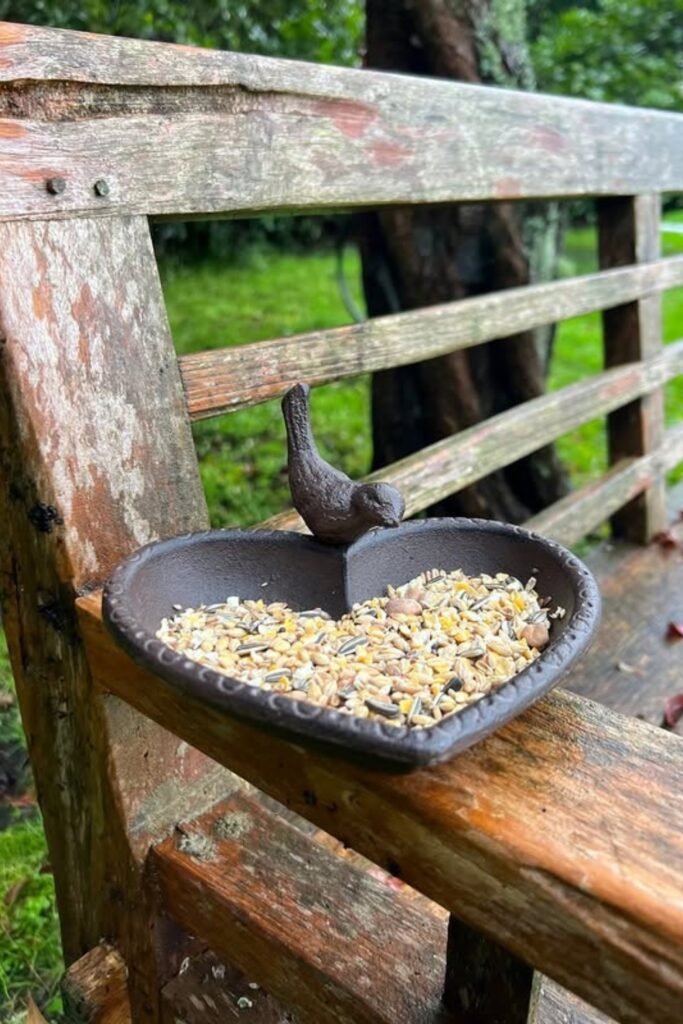
Bench Rail Feeder
You don’t need hooks or drilling when you can use what you already have.
You can place a shallow, sturdy bowl on a bench rail and you instantly turn unused space into a feeding spot.
You should choose a heavy dish so wind won’t knock it over, and you can keep it slightly tucked under cover so rain doesn’t soak the seed.
This works best when you place it in a quiet garden corner where you already see birds perch and you know they feel safe hopping down to eat.
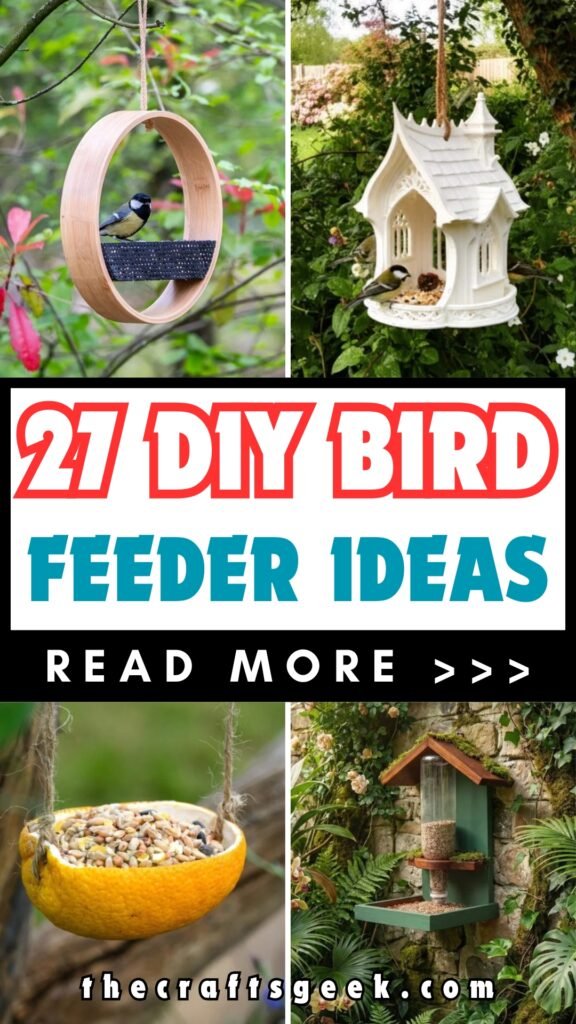
Orange Bowl Feeder
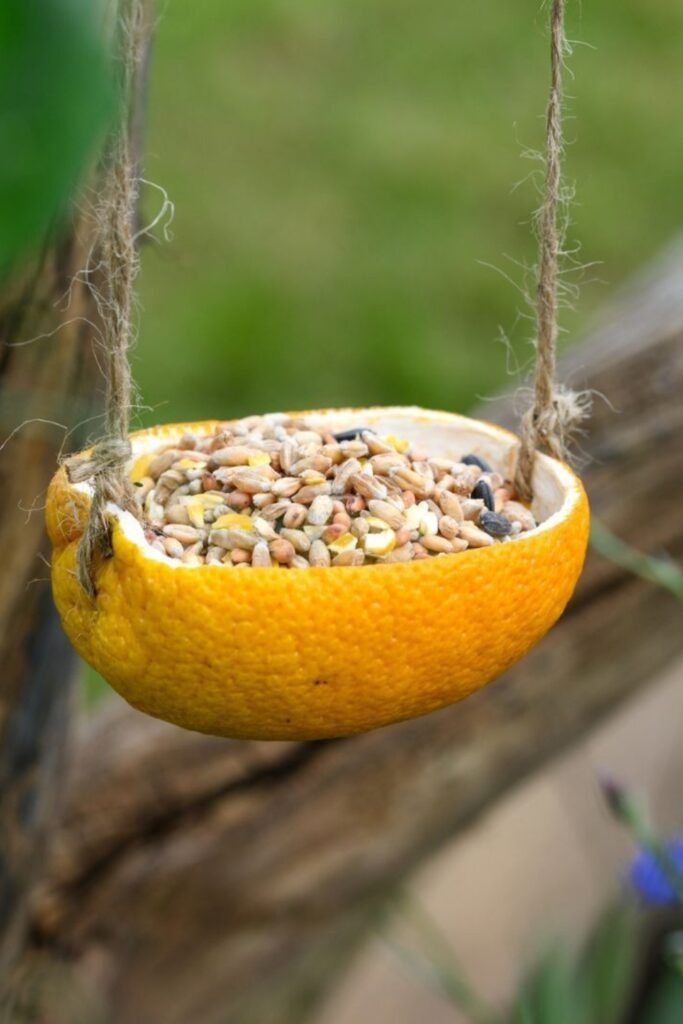
When you’re about to throw an orange peel away, you can stop and use it instead.
Once you scoop out the fruit, you’ve got a natural feeding cup you can use right away.
You can poke two holes, thread some twine, and you can hang it from a low branch.
It’s lightweight and biodegradable, and you’ll notice it works well for small birds.
If you use dry seed and hang it under slight cover, you can avoid rain filling it up.
When it dries out, you can simply replace it.
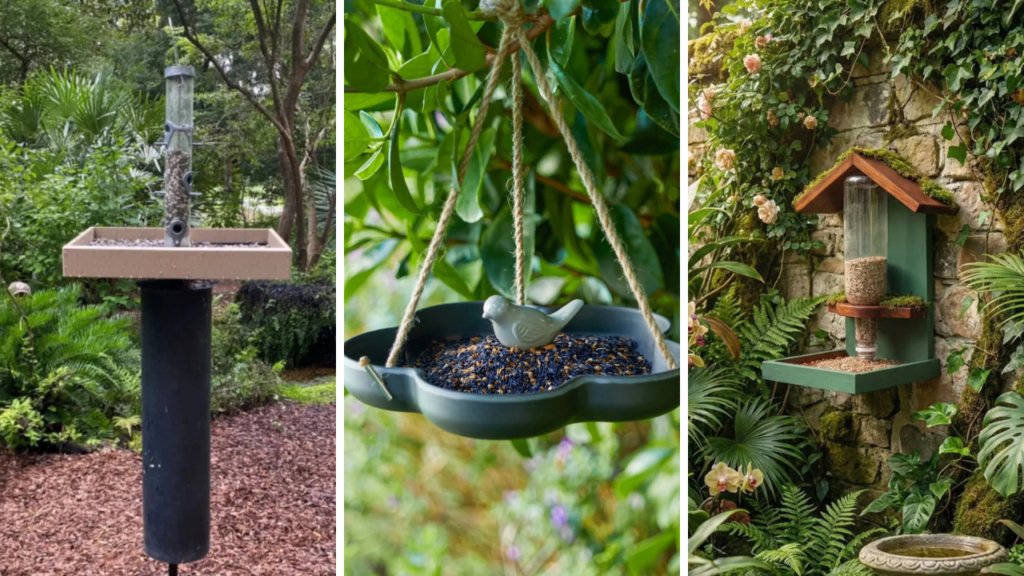
Hanging Tray Feeder
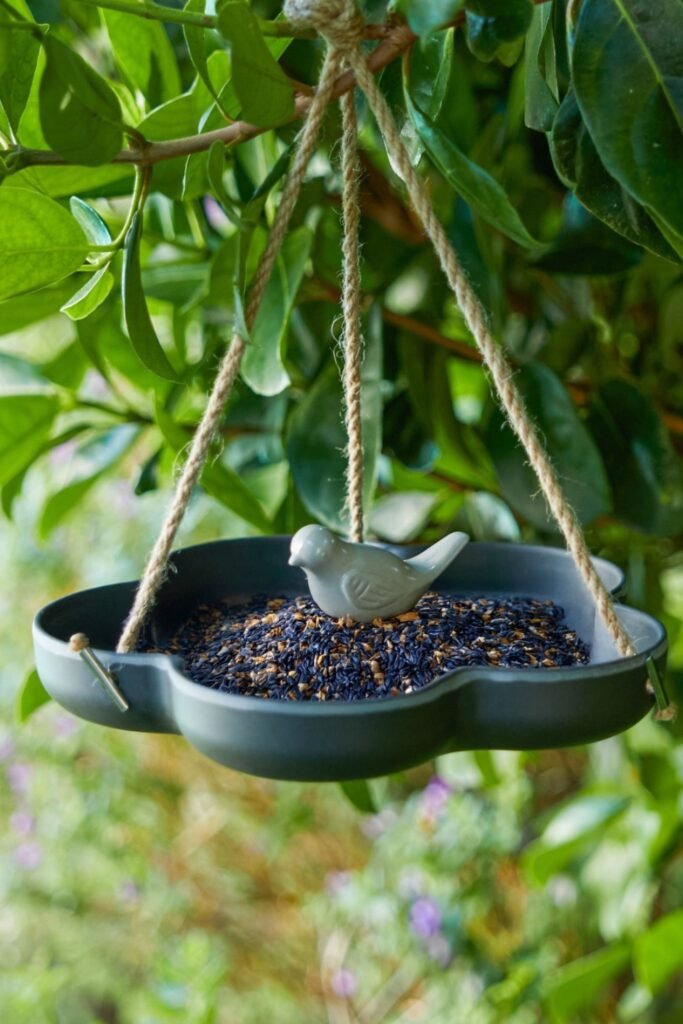
If you want birds to gather naturally, you should give them space to land.
A shallow tray lets you see multiple birds feed at once, and you won’t watch them fight for perches.
You can use sturdy rope and make sure you secure it evenly so it hangs flat.
When you fill it with sunflower or mixed seed and hang it near leafy cover, you help birds feel protected while they eat.
This is perfect if you want regular visits in your garden.
Pole Mounted Feeder
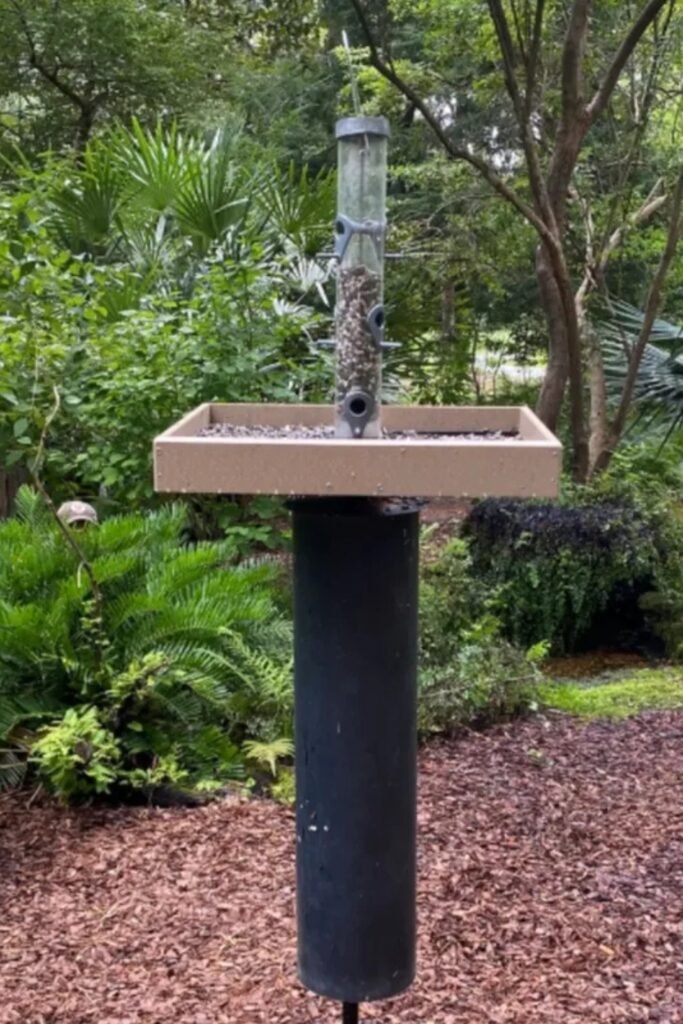
When you want fewer squirrels and more birds, you can raise the feeder off the ground.
A sturdy pole with a wide tray at the top helps you keep seed contained and makes it harder for animals to reach.
If squirrels are bold where you live, you can add a smooth baffle underneath.
This setup works best when you place it in an open garden space where birds can spot danger early and fly in safely
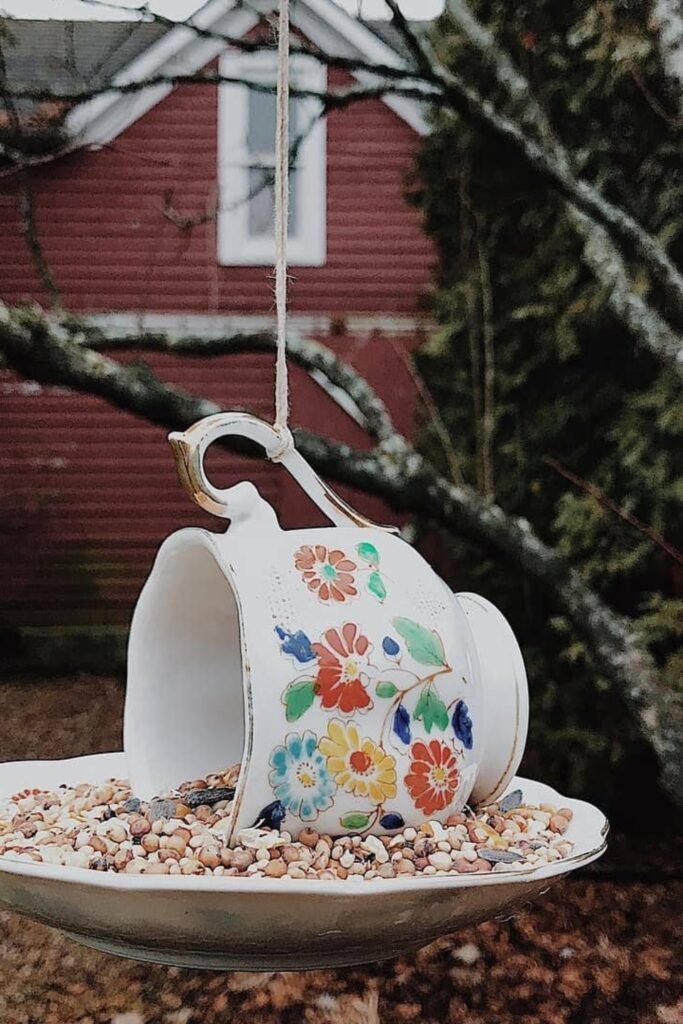
Teacup Saucer Feeder
If you’ve got a chipped teacup you can’t use anymore, you don’t have to toss it.
You can glue the cup sideways onto its saucer so the seed spills naturally onto the plate.
When you hang it with strong twine from the handle and keep it under light cover, you can stop rain from flooding it.
This works especially well when you have a small garden or patio and you want something decorative that still feeds birds.
Wall Mounted Feeder
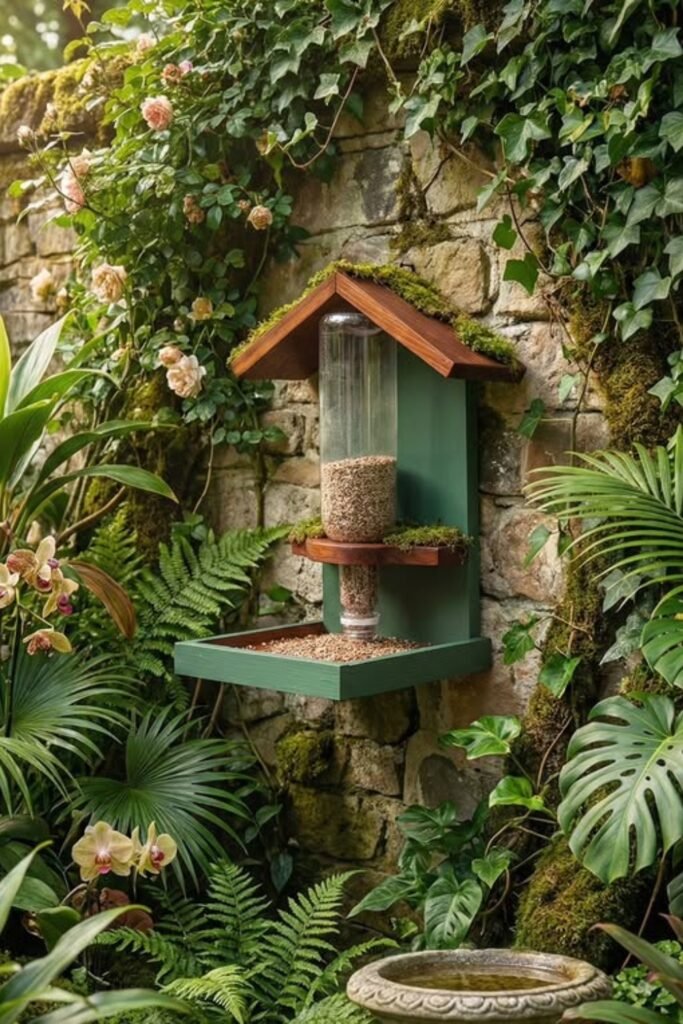
When you’re short on space, you can use your wall instead.
You can mount a simple wooden frame with a small roof and attach a clear seed tube in the center.
The roof helps you keep rain off, and the tray underneath lets you catch spills.
If you fix it at eye level, you’ll be able to enjoy watching birds from inside.
This is ideal when hanging feeders aren’t practical in your garden or courtyard.
Wooden Box Feeder
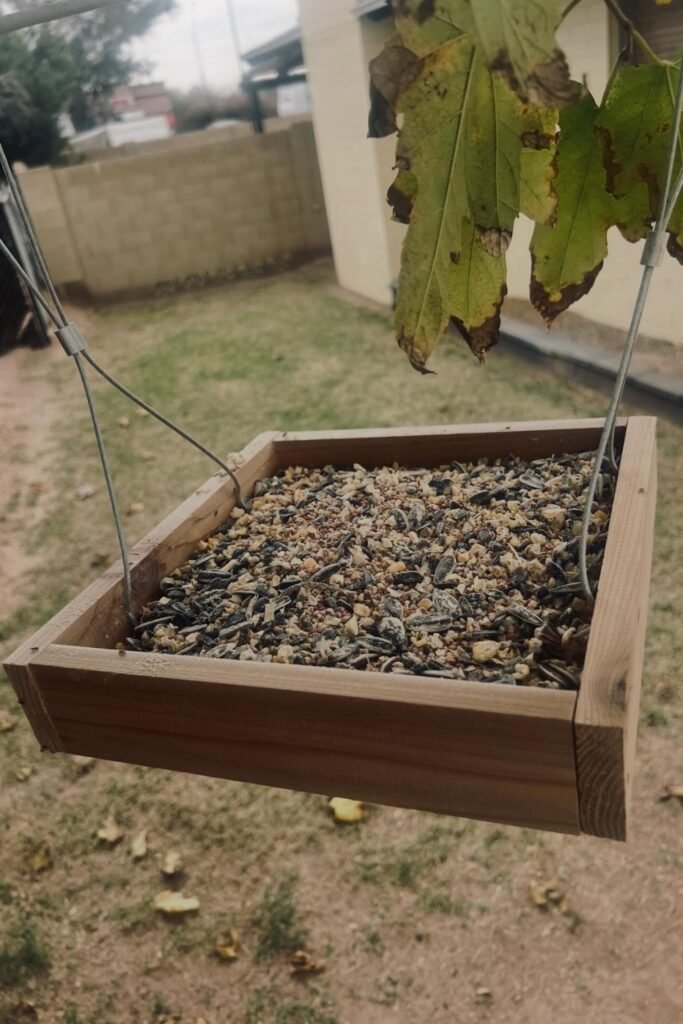
Sometimes you’ll find that simple wood works best.
A shallow wooden box with raised edges helps you keep seed contained and gives birds plenty of landing space.
You can secure strong wire or metal rods at each corner so it hangs level and doesn’t tip.
When you keep it under a tree canopy, you protect the seed from rain.
This is great if you want to attract multiple birds without complicated designs.
Upside Pot Feeder
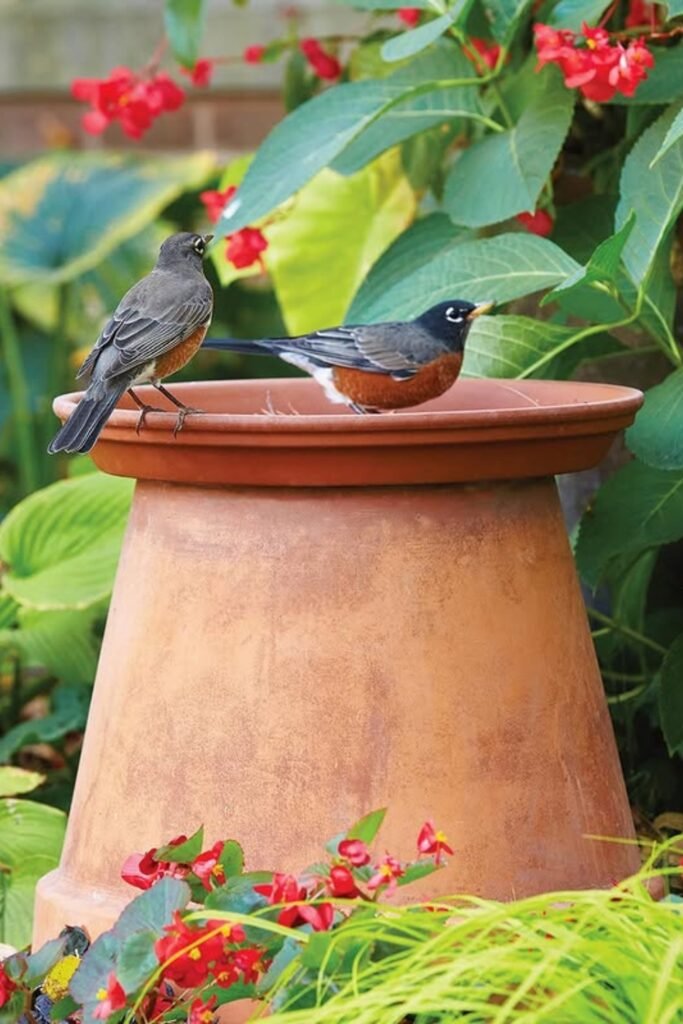
If you don’t want to hang anything, you can flip a clay pot upside down and create an instant feeding station.
You can place a wide saucer on top and fill it with seed. The heavy base helps you keep it stable, so wind won’t knock it over.
When you set it near shrubs or flowers where birds already gather, you’ll see them find it quickly. It’s simple, sturdy, and easy to manage.
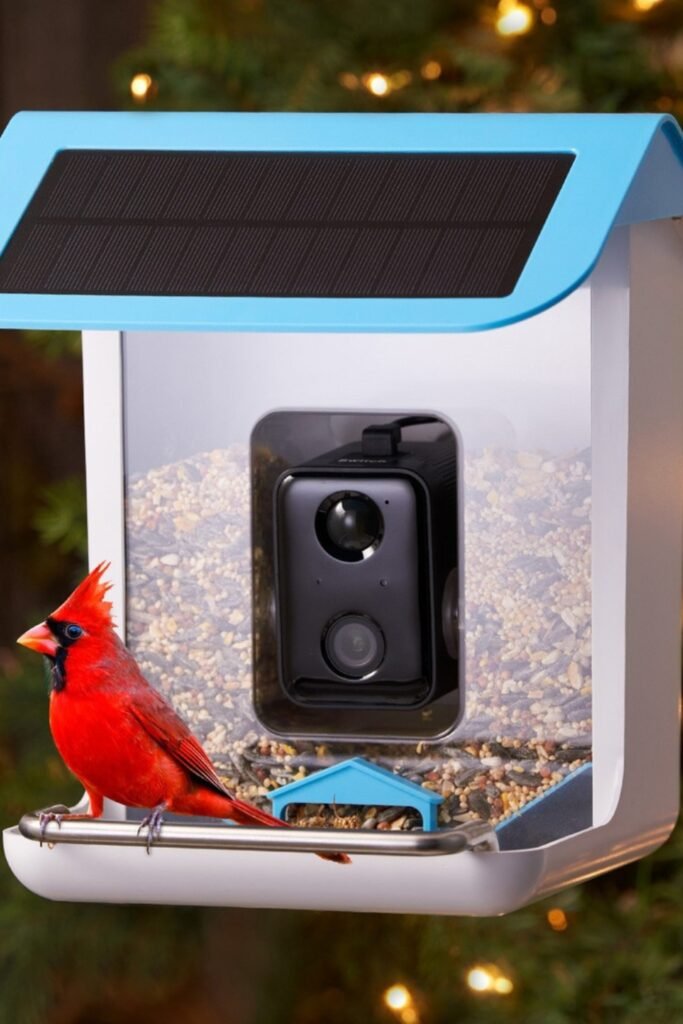
Camera Bird Feeder
If you’ve ever wished you could watch birds up close, you can build around that idea.
You can mount a small weatherproof camera inside a clear seed box and power it with a solar panel on top.
When you keep the lens slightly recessed, you can stop seed from blocking the view.
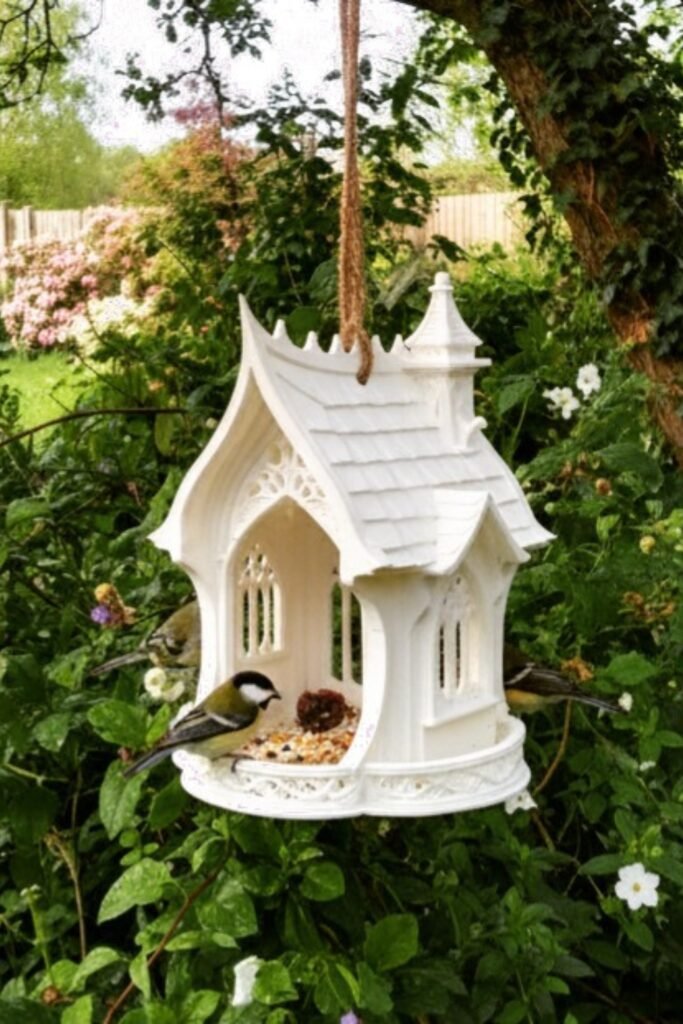
Decorative House Feeder
When you want your feeder to double as decor, you can choose a small house-style design.
You can use lightweight wood or weatherproof resin and hang it from a thick branch with strong rope.
If you keep the opening wide enough, you’ll be able to clean it easily.
This works best when you place it in a flower-filled garden where you want both charm and function.
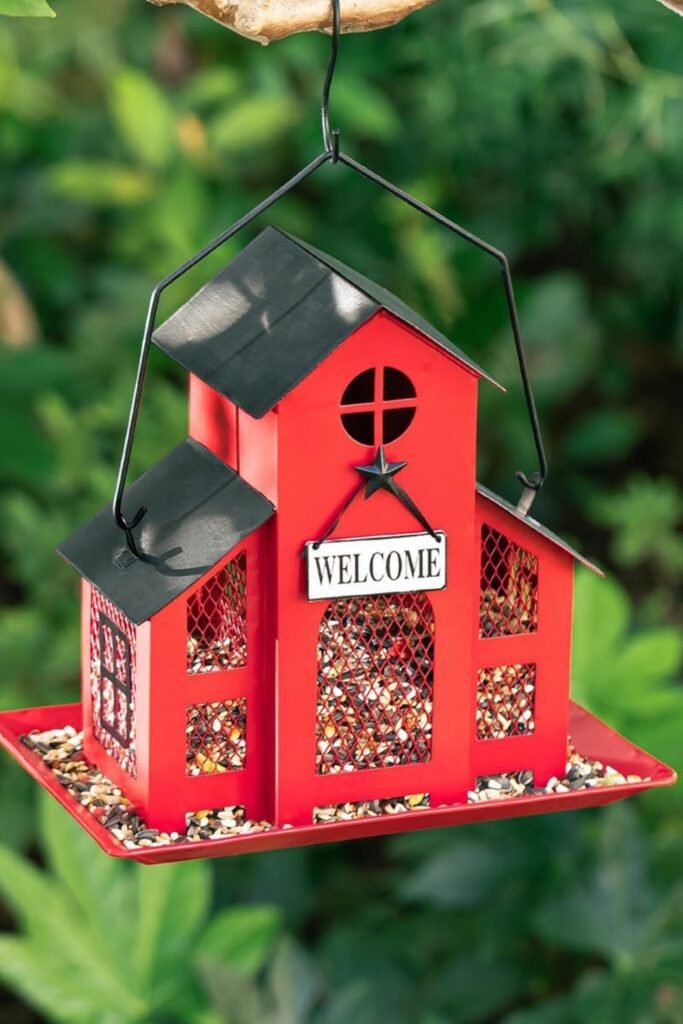
Red Barn Feeder
If you want to grab attention, you can use bold color.
A barn-style feeder painted red helps you draw the eye while still feeding birds well.
You can add mesh sides to hold seed and attach a flat tray at the bottom to catch spills.
When you hang it where it’s visible but still near trees, you give birds cover and comfort.
You get personality in your yard, and birds get space to land and feed easily.
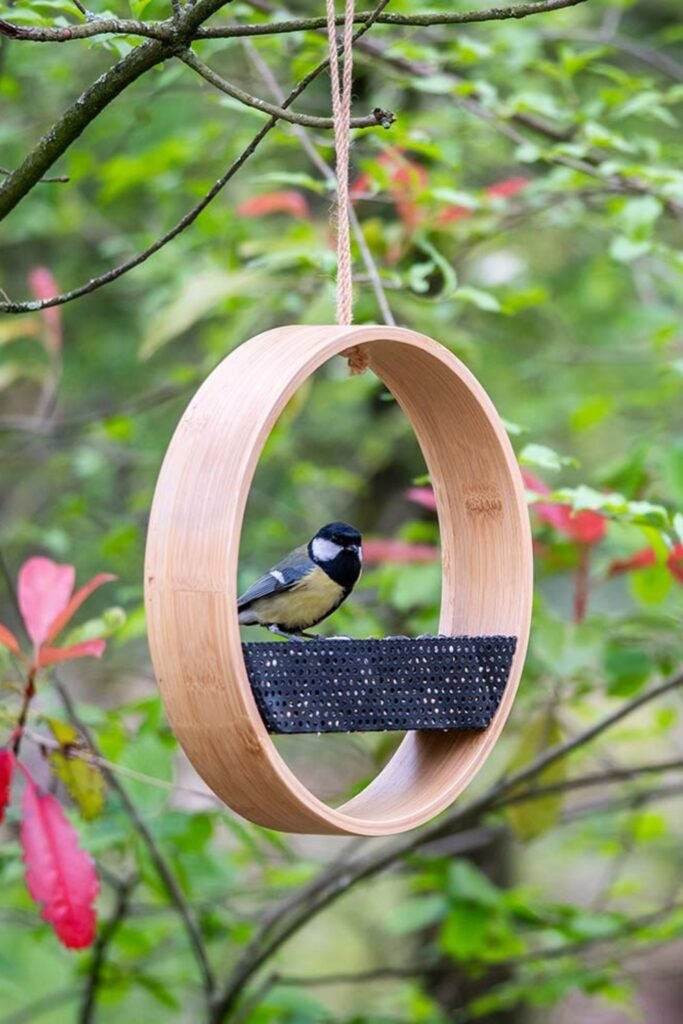
Wooden Ring Feeder
If you like clean lines and a modern look, you can try a wooden ring feeder.
You can bend a strip of wood into a circle or use a ready-made hoop, then fix a small seed tray across the center.
When you hang it with strong rope and keep it balanced, birds will feel safer landing.
The open design lets you give them a clear view of their surroundings, which is perfect if you prefer a minimalist garden.
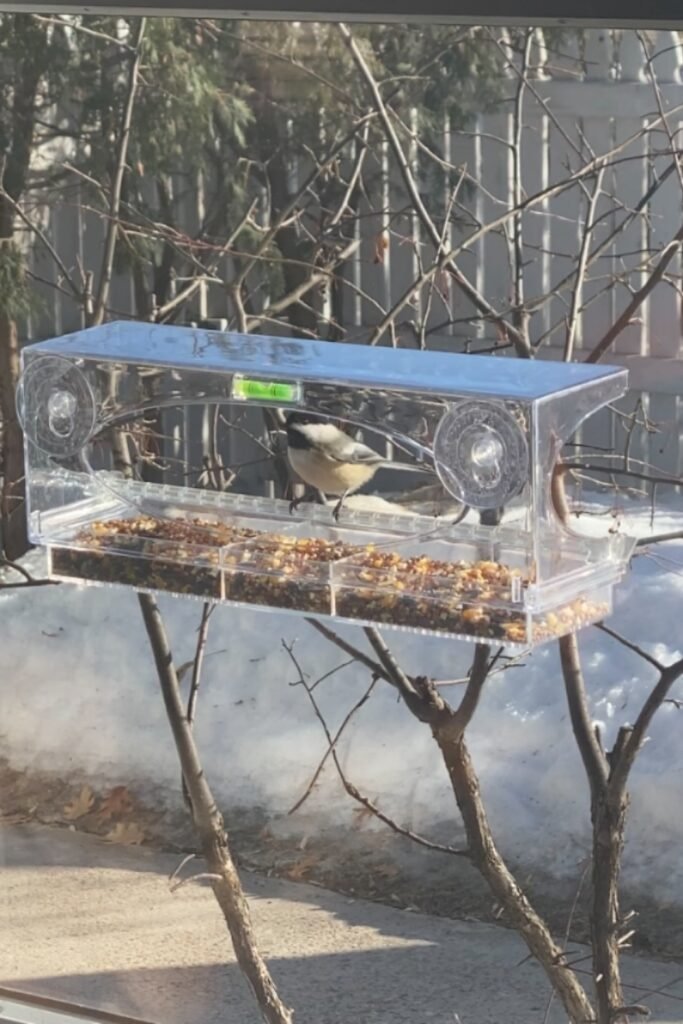
Window Mounted Feeder
If you want birds close without stepping outside, you can stick a clear feeder directly onto your window using strong suction cups.
You’ll love how the transparent design lets you watch every visit up close.
Before you attach it, you should clean the glass well so you know it will hold firmly.
You can refill small amounts often so the seed stays fresh.
This option works best when you live in an apartment or when it’s winter and you’d rather stay warm inside while you watch.
Suet Cage Feeder
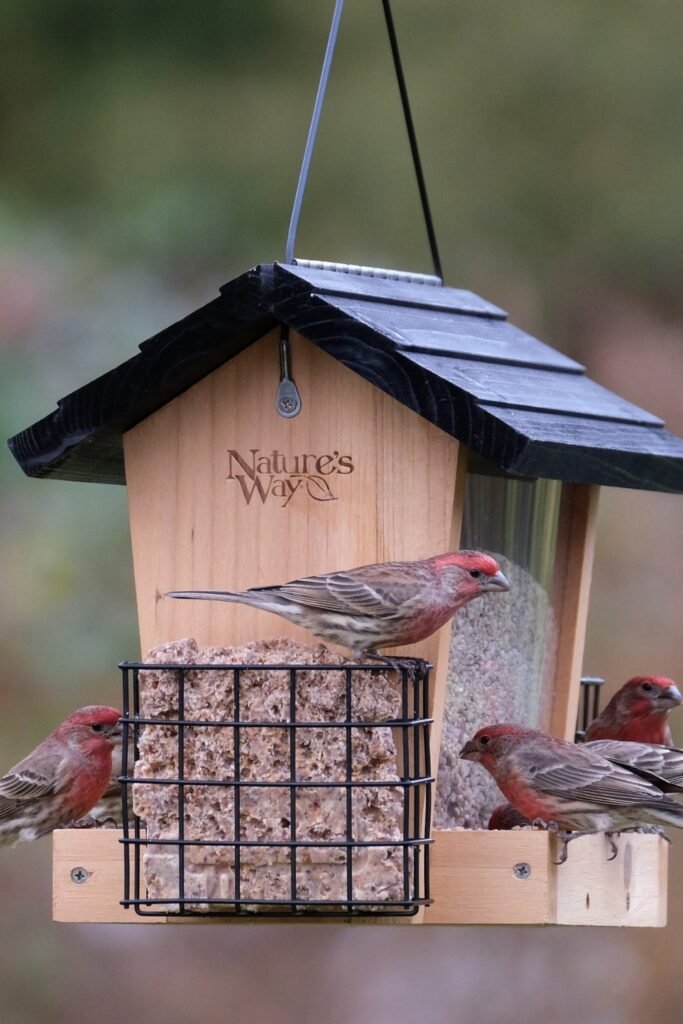
When temperatures drop, you should remember that birds need high-energy food, and you can help by adding a wire suet cage.
You can attach it to a simple wooden feeder and slide in a homemade or store-bought suet block.
The cage helps you keep the food secure while birds can cling and peck naturally.
If you hang it in a sheltered spot, you can prevent melting in warmer weather.
You’ll find this feeder especially useful in winter when regular seed isn’t enough.
Tree Mounted Feeder
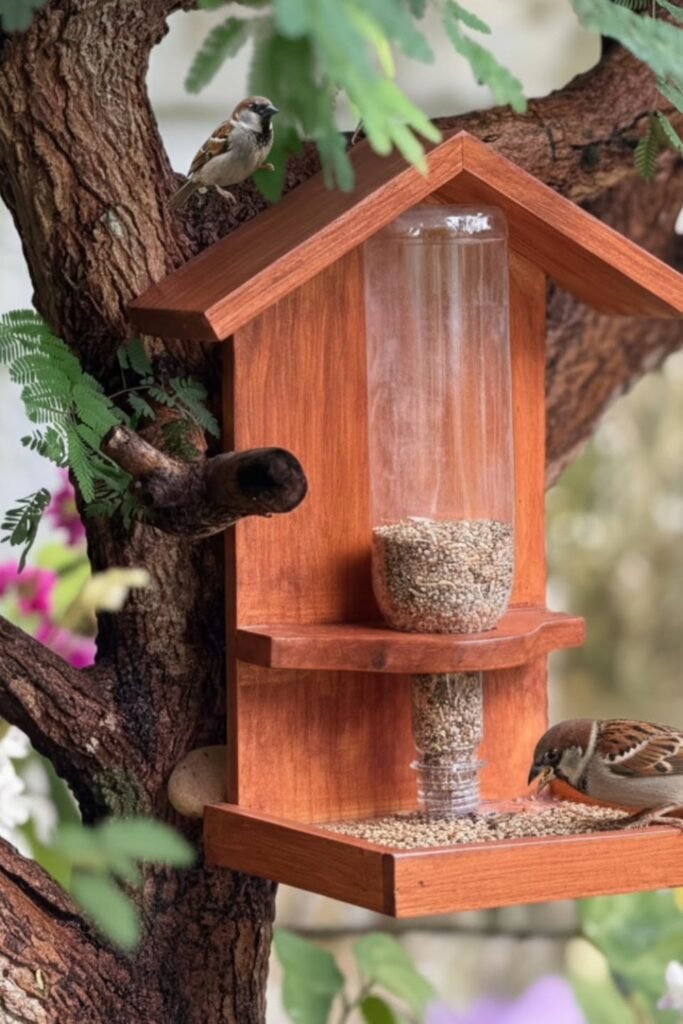
If you like a natural look, you can use the tree itself as your support.
You can fix a simple wooden feeder directly onto the trunk so it feels like part of the tree, not something swinging around.
When you add a clear seed tube inside and a small tray below, you can catch spills easily.
You should mount it a few feet above ground and near natural branches so birds can perch before landing.
This setup works because you’re making it blend in and feel safer for them.
Shepherd Hook Feeder
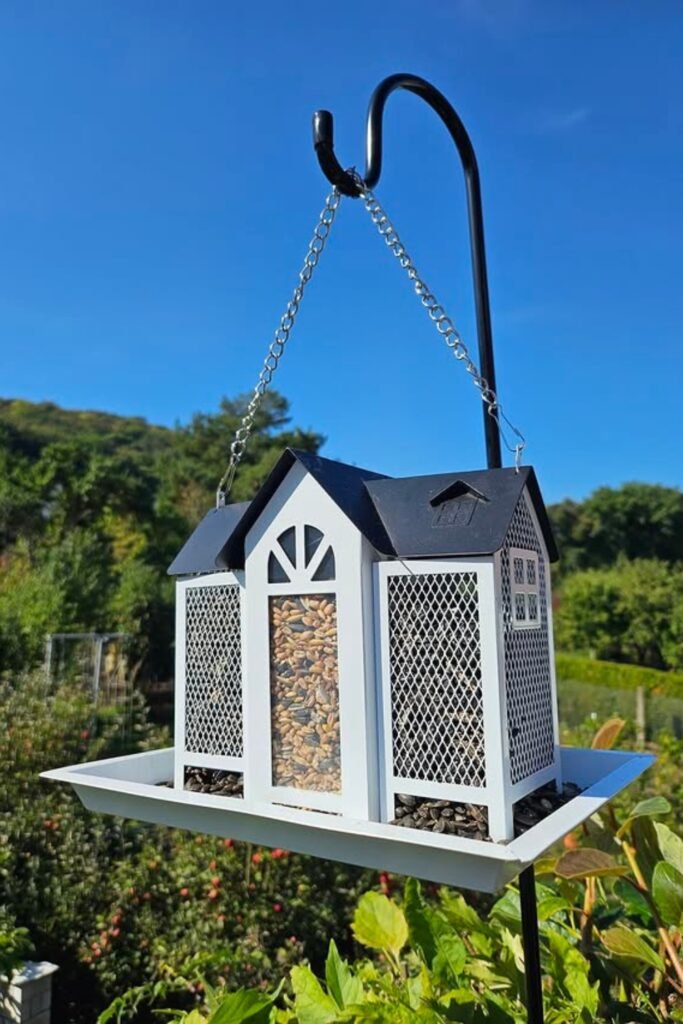
When you don’t have a tree nearby, you can plant a shepherd hook in the ground and hang your feeder from it.
You’ll notice that the raised position keeps birds visible and slightly away from ground predators.
If you add a wide tray at the bottom, you can catch fallen seed and reduce mess.
You should place it a few feet from bushes so birds have quick cover, but not so close that squirrels can jump across.
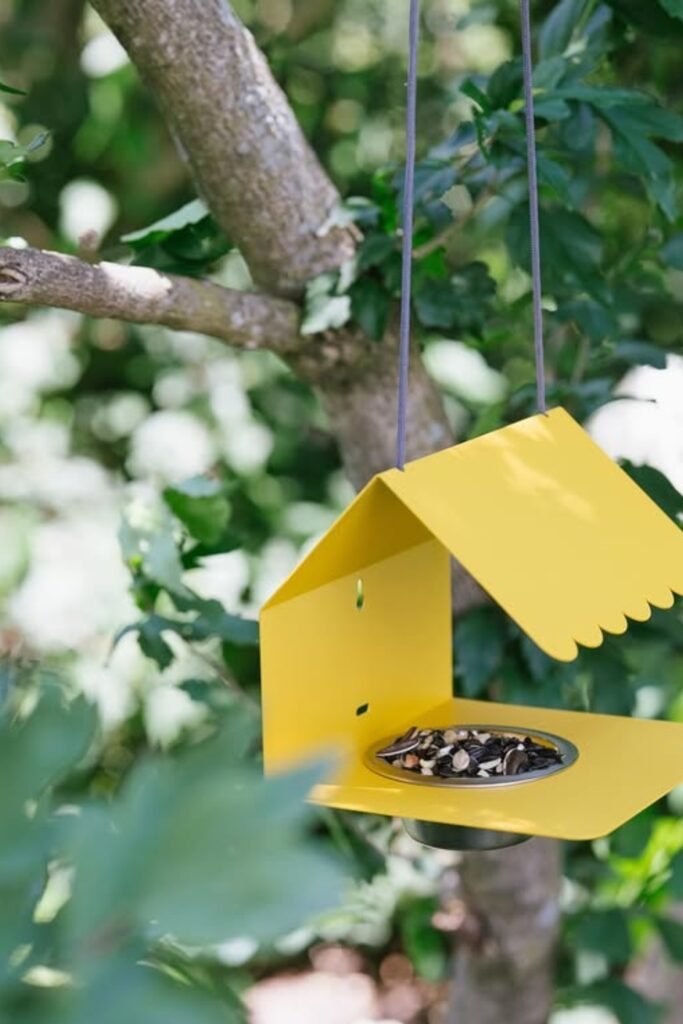
Metal Roof Feeder
If you’ve ever seen seed ruined by rain, you know why you need a roof.
You can add a simple metal or painted sheet bent into a small house shape to protect the tray underneath.
When you suspend it with strong cord, you should make sure it hangs level so it doesn’t spill.
You might choose bright colors so you can spot it easily in leafy trees, and you’ll like how the covered design keeps birds comfortable during light showers.
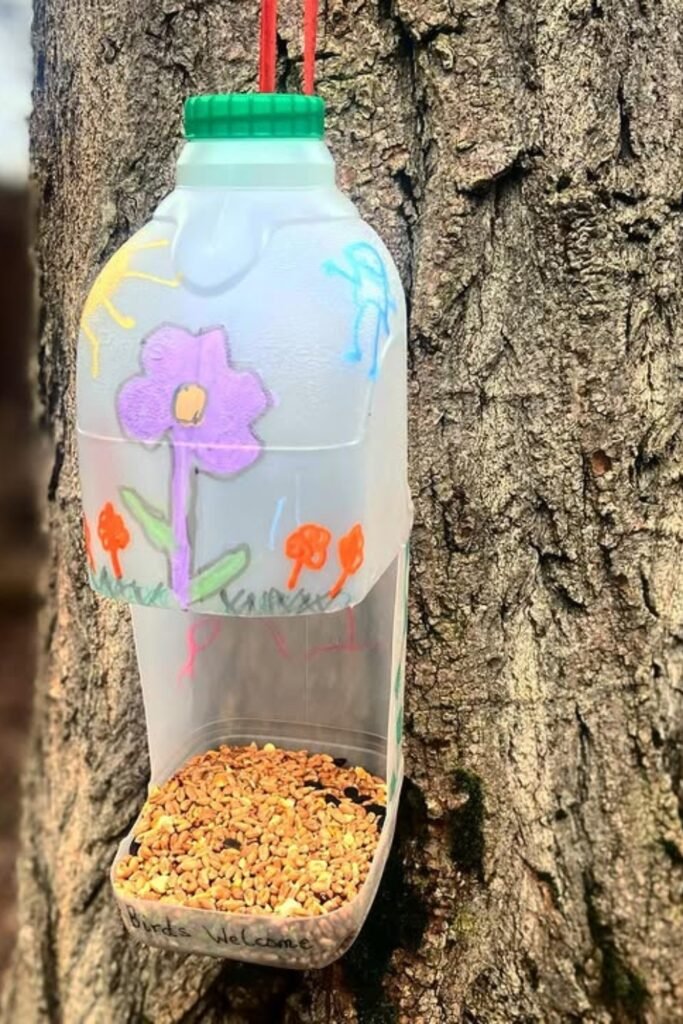
Plastic Bottle Feeder
Before you toss that milk bottle, you can turn it into something useful.
You can cut a wide opening on one side, leave the bottom deep enough to hold seed, and punch two holes at the top for string.
If you have kids, you can let them decorate the outside so it feels fun and personal.
You should hang it against a tree trunk so it stays steady and doesn’t swing too much when birds land.
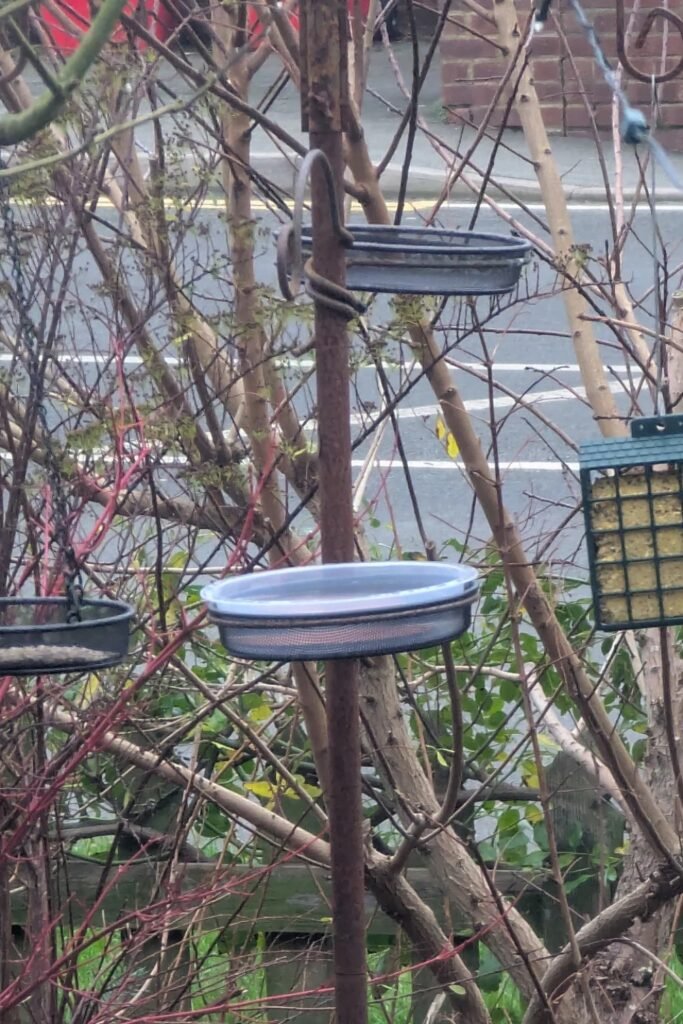
Multi Station Feeder
If you want more action, you might ask why settle for one feeding spot when you can offer options.
You can hang shallow trays for mixed seed and add a suet cage on the side so you attract different birds at once.
When you mount everything on a sturdy pole, you can adjust heights easily.
You should spread the stations slightly apart so you reduce crowding and keep things calm.
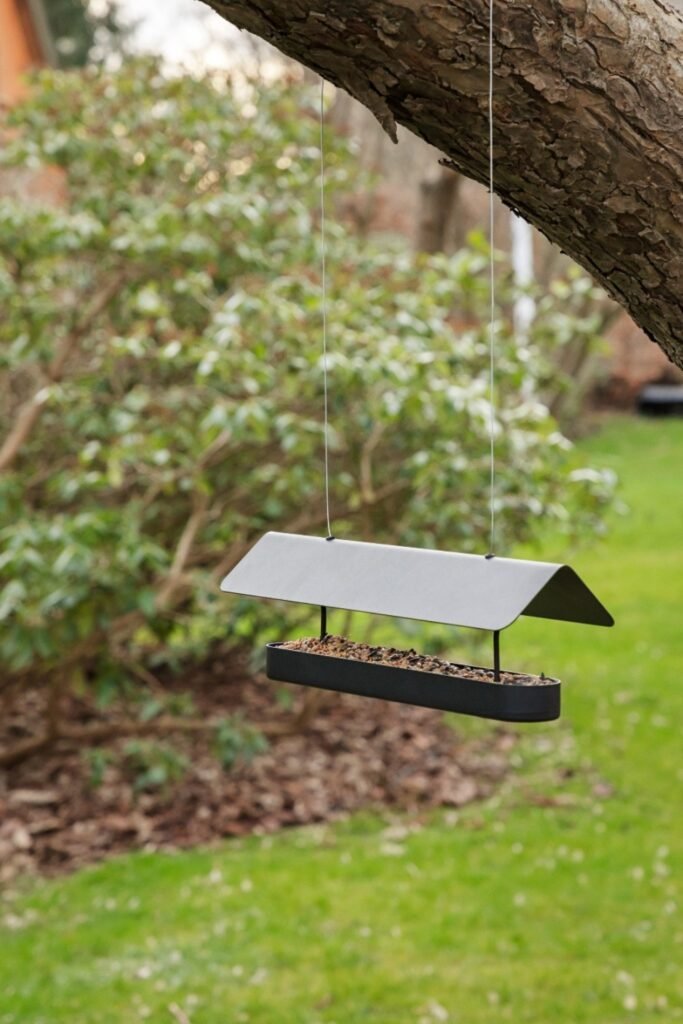
Minimal Roof Feeder
When you prefer less design and more function, this style works well for you.
You can use a slim tray with a simple metal roof to keep seed dry without making it bulky.
If you suspend it with thin but strong wire, you can keep it steady and level.
You should hang it under a tree branch where birds already perch, and you’ll see how well it fits into a clean, modern garden.
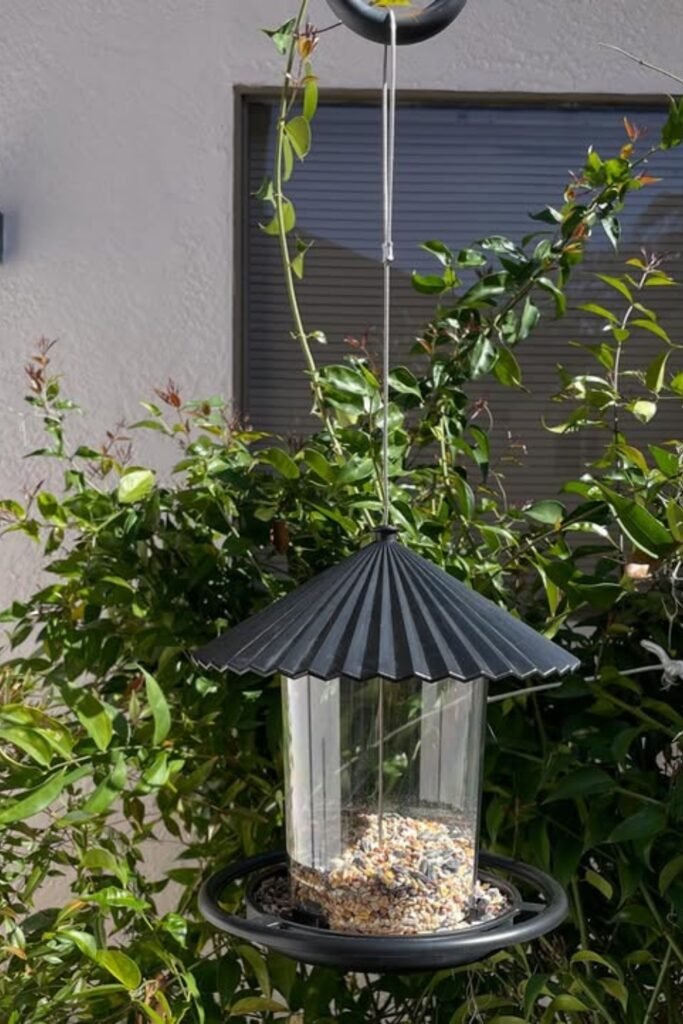
Lantern Style Feeder
If you want something decorative, you can choose a feeder that looks like a garden lantern but still works hard.
You can use a clear cylindrical container inside so you can see when seed runs low.
When you add a wide metal roof, you can block rain easily.
You should include a circular perch ring so multiple birds can land comfortably at the same time.
Balcony Wall Feeder
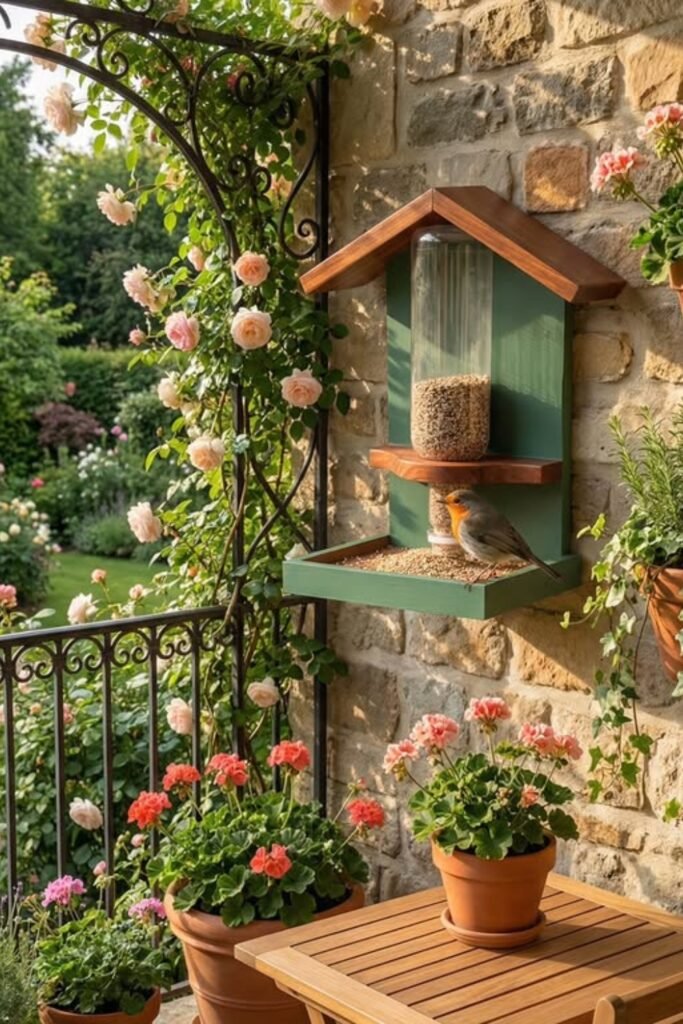
When you don’t have a backyard, you can still make your balcony work.
You can mount a slim wooden feeder directly onto a wall so you don’t waste floor space.
If you add a clear seed tube and a small tray below, you can refill easily and catch spills.
You should keep it near plants or railing cover so birds feel safe when they land.
Classic Wooden Feeder
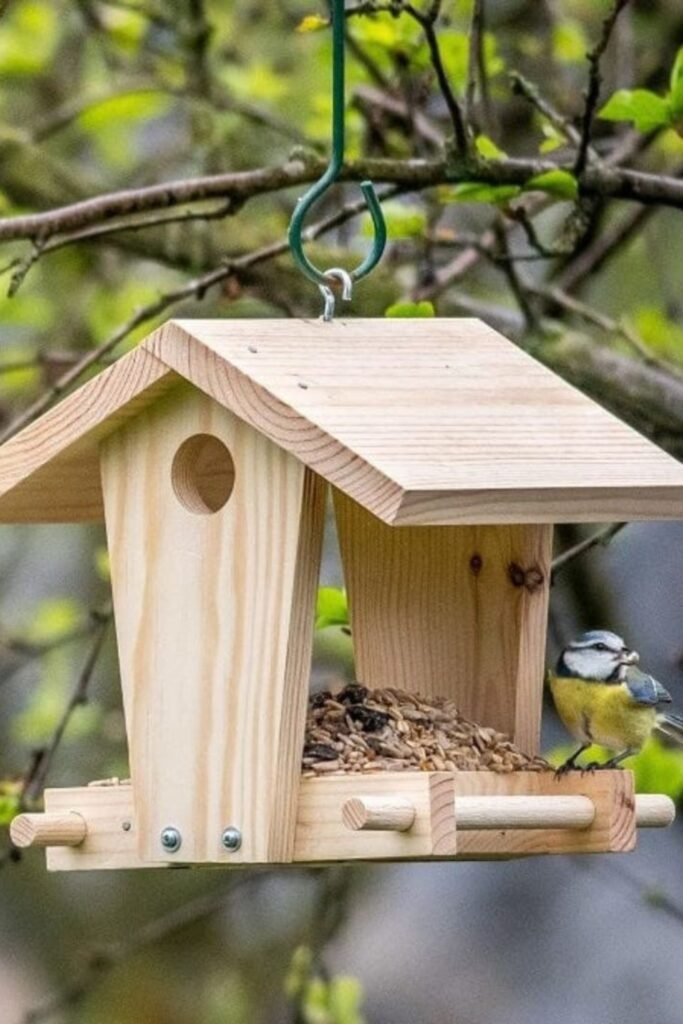
If you enjoy basic woodworking, you might really like building this one.
You can use untreated wood, add a simple sloped roof, and drill small side openings so seed stays inside but birds can still reach it.
When you insert short dowels as perches, you make it more comfortable for them.
You should hang it from a sturdy branch, and you’ll end up with something timeless and durable.
Mini House Feeder
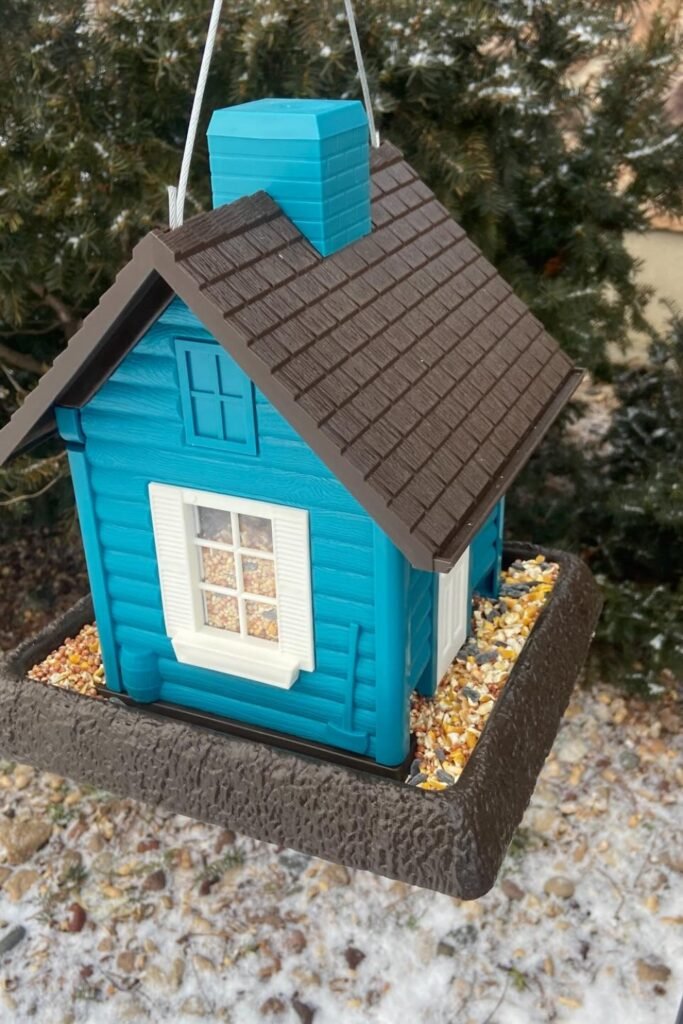
When you want something playful, you can build a tiny house that actually feeds birds.
You can use lightweight wood or weatherproof plastic and leave small side openings for access.
If you add a shallow tray around it, you can catch extra seed easily.
You should hang it from a sturdy hook so it stays balanced, and you’ll find it perfect for family gardens where you want charm and steady bird visits.
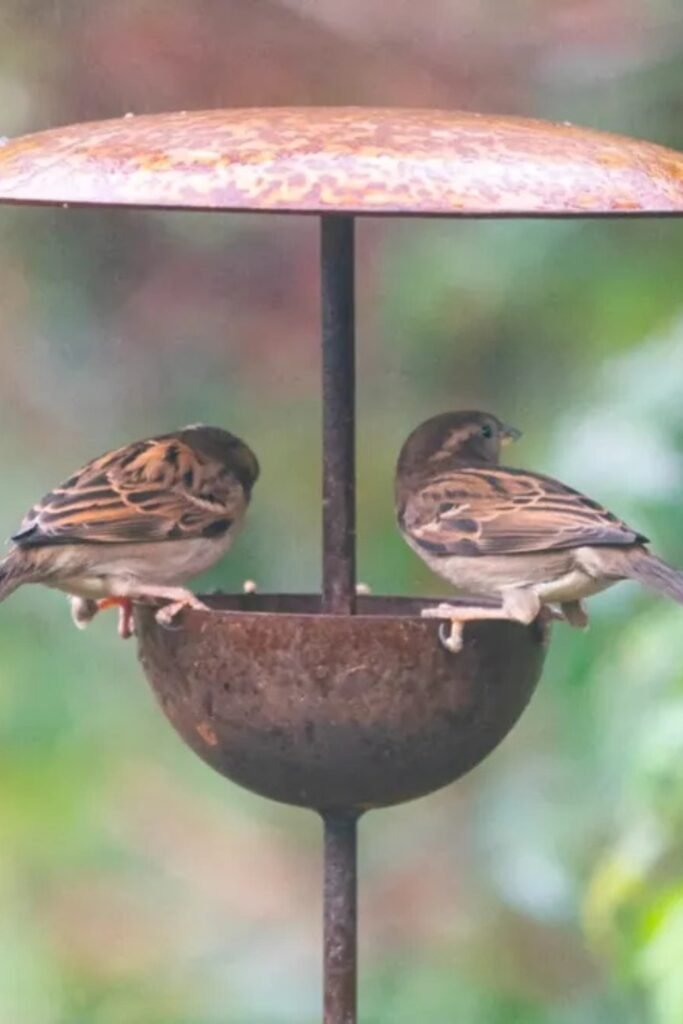
Rustic Bowl Feeder
Sometimes you’ll notice that rough and simple works best for you.
You can use a small metal bowl mounted on a sturdy rod, and you can add a wide metal plate above it so you have a built-in rain shield.
The deep bowl helps you hold enough seed without spilling, and the cover lets you keep it dry.
When you push the pole firmly into the ground in an open spot, you give birds the space they need so they can look around before they land.
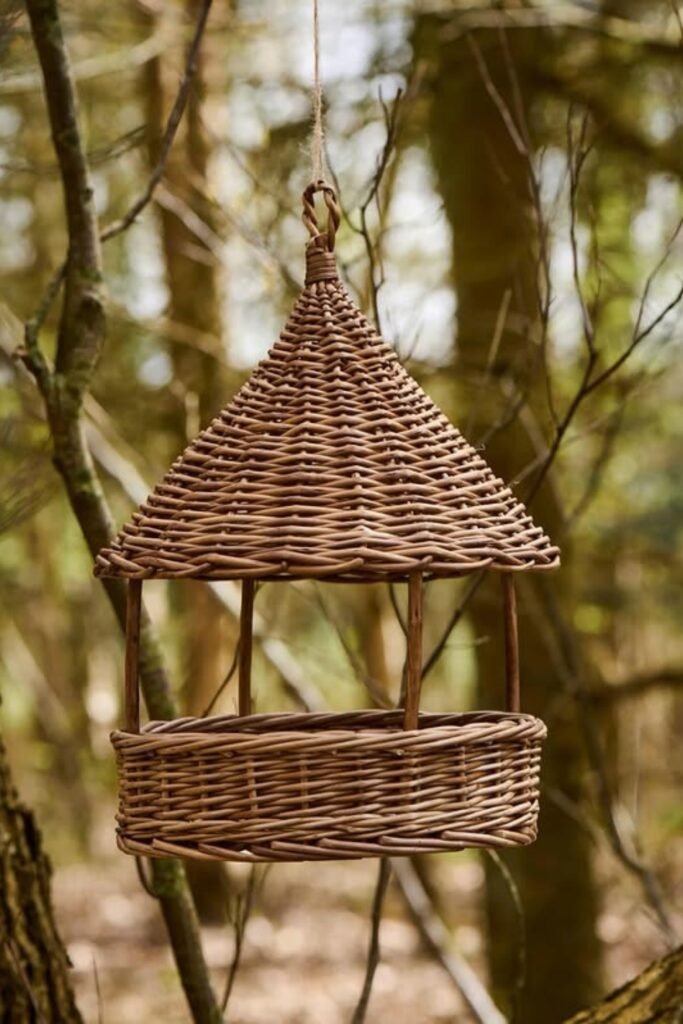
Wicker Hanging Feeder
If you want something that blends into the trees, you can choose a woven wicker feeder and you’ll see how natural it feels in a woodland setting.
You can use a sturdy rope to hang it from a strong branch, and you should make sure the base is tight enough so you don’t lose seed.
When you place it in a shaded area, you help birds feel at home, especially when you know they prefer quiet feeding spots.
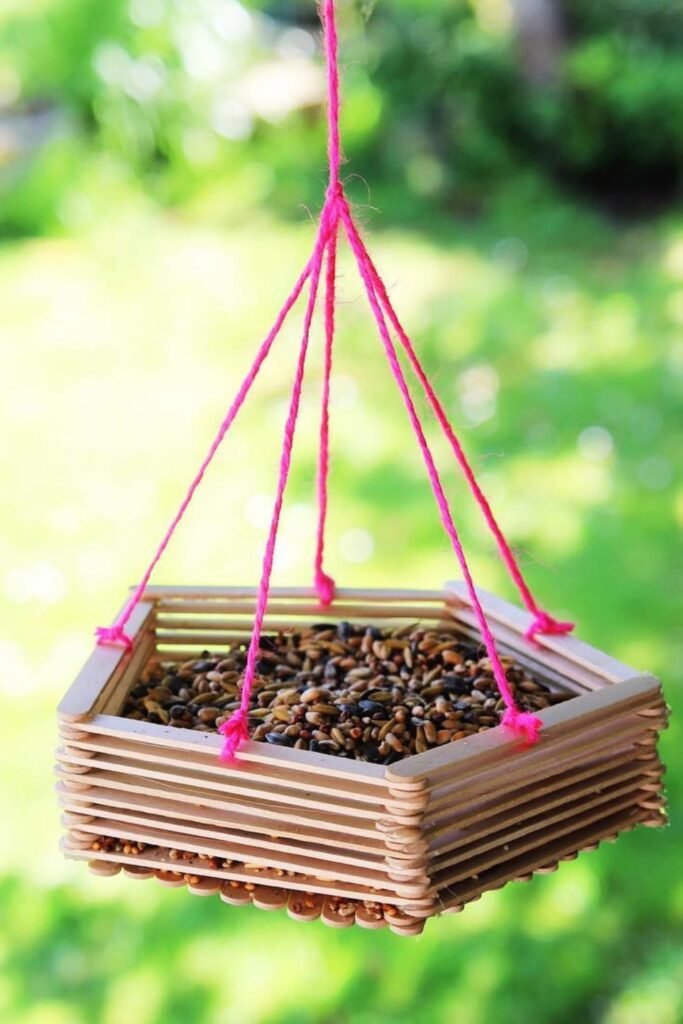
Popsicle Stick Feeder
When you’re in the mood for something hands-on, you can keep it simple with glue, popsicle sticks, and some string.
You can stack and glue the sticks into a small square tray so you create raised edges and keep the seed inside.
If you tie bright yarn to each corner and knot it at the top, you can make sure it hangs evenly.
You should keep it lightweight and hang it from a low branch, and you’ll find it’s easy enough for kids while still working surprisingly well.
FAQs
How Do You Keep Bird Seed From Getting Wet and Moldy?
Rain and moisture are the fastest way to ruin bird seed, and you should keep that in mind every time you set up a feeder.
You should always use a feeder with some kind of cover, even if you only add a simple roof or a plate above the tray.
If you overfill it, you might end up wasting seed, so you should add small amounts and refill more often instead.
When you notice the seed feels damp or clumpy, you should throw it out right away.
Wet seed can grow mold quickly, and that’s something you don’t want, because you could make birds sick without realizing it.
Why Aren’t Birds Coming to My Feeder?
Most of the time, it comes down to where you place the feeder.
If you put it in a noisy, busy area, you might notice birds don’t feel safe landing.
When you move it closer to shrubs or trees, you give them quick cover, and that can make a big difference.
You should also think about the seed you’re using, because fresh seed matters more than you might expect.
If you leave old, stale seed out, you won’t attract much attention.
When you give it a few days and keep the area calm, you’ll often see that once one bird finds your feeder, others usually follow.

Hi, my name is Zeeshan, and I am the founder of The Crafts Geek. I have been passionate about DIY projects, home organization, and creative problem-solving for years. Over time, I realized that simple storage solutions and practical DIY ideas can make a huge difference in how a home looks and functions.