When your space starts getting tight, your stuff doesn’t just feel like stuff anymore, you start feeling the pressure.
You see boxes sitting in the corner, and you know you should deal with them, but you keep putting it off.
You look at clothes you don’t wear, yet you still feel like you might need them someday.
When you keep moving things from one place to another, you can feel how your space slowly starts closing in on you.
At some point, you start thinking about storage. You might think it could solve everything.
But when you check the prices, you realize it’s not as simple as you thought. Even a small unit can turn into a monthly expense you didn’t plan for.
When you think about paying every month, you start feeling stuck. You either pay for storage, or you keep living in a crowded space.
But here’s what you might not realize. The cheapest way to store your stuff usually isn’t a storage unit at all.
You can often save money when you start using the space you already have.
When you look at what you actually need, you might realize you don’t need as much room as you thought.
And when you think about it carefully, you can decide when paying for storage actually makes sense.
In this article, you’ll go through simple, real-world ways to store your things without wasting money. You’ll also figure out whether you even need paid storage in the first place.
Why Storing Your Stuff Feels Expensive?
Most of the time, you don’t look for storage because you enjoy organizing, you look for it because your space just stops working for you.
You start noticing small things first, like you don’t have space in your cupboards, or you see bags piling up in corners, or you keep shifting items from one place to another without really using them.
When you look closely, you might realize the real problem isn’t just “not enough storage.” It’s that you are using your space without a proper system.
So even when you don’t have that much stuff, you can still feel overwhelmed.
And when that happens, you start thinking you should get outside storage, believing it might fix everything for you. But that’s exactly where you can get stuck.
You might think storage will be simple, but when you start checking monthly prices, security deposits, and long-term costs, you can quickly feel it’s not that easy.
What seemed like a quick solution for you can start feeling like another financial burden you have to carry.
Why the Cheapest Storage Option is Usually Not Renting Anything?
If you want the honest answer, you can see that the cheapest storage option is usually not renting at all.
Because the moment you start renting space, you can end up paying every month for something you could already manage inside your own home, space that you are not even fully using.
Most of the time, you might notice that you jump to storage units too quickly.
But if you look closely, you might realize you haven’t even used your own home properly yet.
You could have empty vertical space you are not using, or you might have unused corners that you are ignoring, or you might be storing things in a messy way that is taking up more room than it should.
So before you think about paid storage, you should ask yourself a simple question: have you already optimized your own space?
When you check properly, you might realize that in many cases, the answer could be no.
How to Use Your Home Space So You Don’t Need Outside Storage?
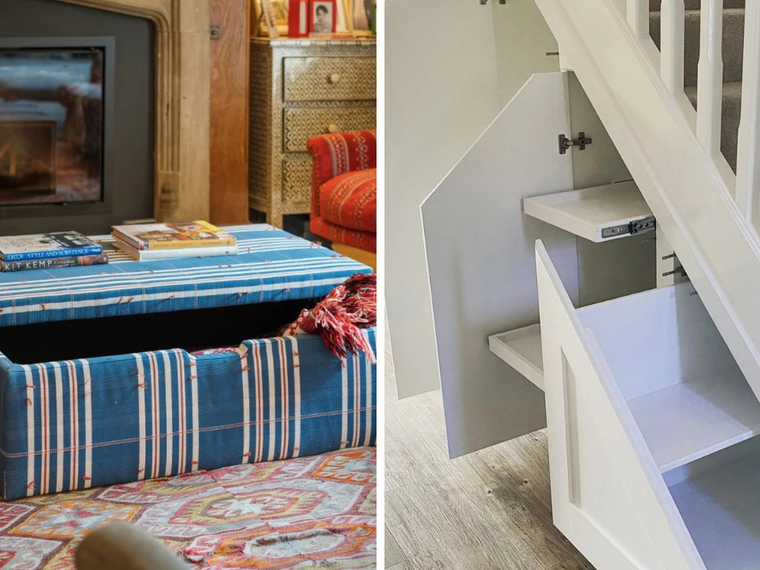
Your home can already be your cheapest storage option, you just need to use it a bit smarter, and you can make a big difference without adding anything new.
Most of the time, you might only use the visible space like shelves and cupboards, but you can be ignoring a lot of hidden areas that you already have.
When you look properly, you can use space under the bed, and you can use above-wardrobe areas, and you can even use behind doors or wall-mounted storage to instantly free up room.
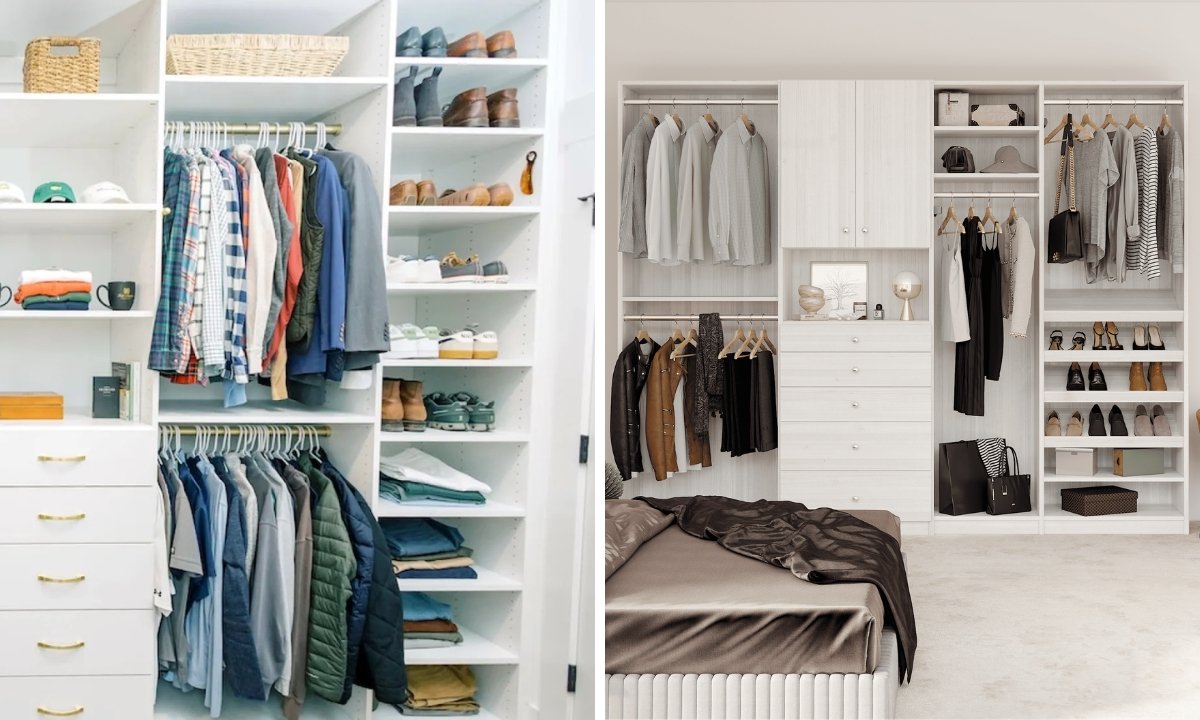
If you think about it, your goal doesn’t have to be cramming everything in, you should be organizing in layers so you can avoid wasting any space you already have.
If you separate your things properly, you can make your life much easier.
You can keep daily-use items where you can reach them, you can store seasonal items out of the way, and you can place rarely used items in higher or hidden spots.
When you do this, you can automatically free up space without spending anything, and in many cases, you might even realize you don’t need outside storage at all.
How Packing Smarter Can Save You from Paying for Extra Space?
A lot of the time, you might think your storage problem is a space problem, but you can actually see it’s more of a packing problem.
You can notice how bulky items take up way more room than they should, simply because you are not compressing or organizing them in a smart way.
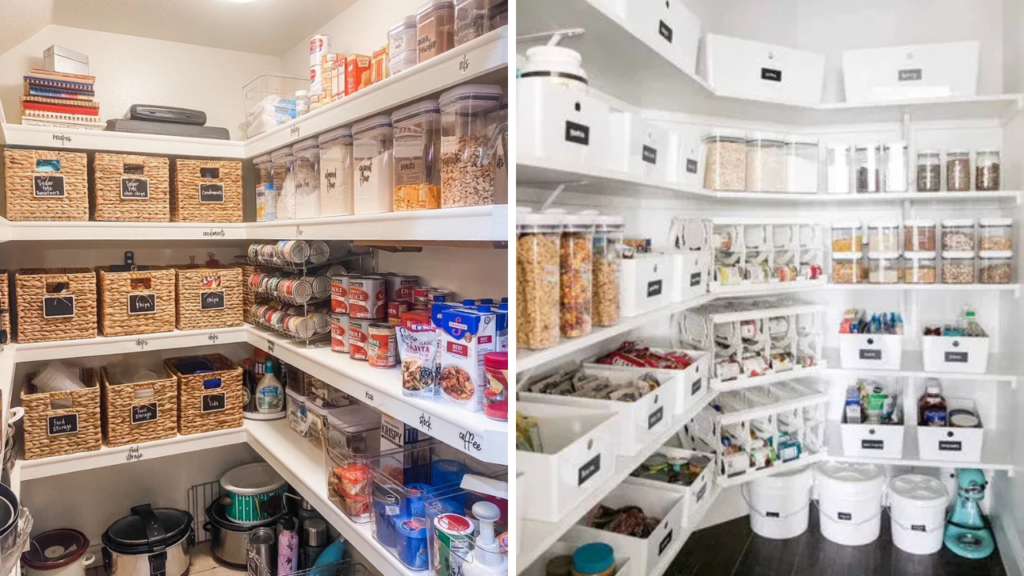
When you start using things like vacuum storage bags or stackable boxes, you can instantly reduce the space your items are taking.
If you also label things properly, you can make everything easier to find and manage.
Clothes, blankets, and seasonal items can especially shrink down to a fraction of their original size when you pack them the right way.
When you pack smarter, you don’t just save space, you can also make your whole home feel more controlled and easier for you to manage.
And once everything is properly organized, you might even realize you don’t actually need external storage at all.
Why Storage Units Feel Cheap at First but Cost More Over Time?
Storage units might look like an easy fix at first because the monthly price can seem manageable.
You might feel like you can handle it without any stress. But the real issue you can run into is time.
One month can easily turn into six, and six can quietly turn into a whole year before you even realize it.
Over time, you might notice that what once felt like a small monthly cost starts becoming a much larger total expense for you.
And the worst part is, you can end up storing items that don’t really justify that cost anymore, but you still keep paying for them.
This is exactly why storage units can feel cheap in the beginning but expensive in reality.
The longer you keep them, the more you can end up paying for things you might not even need or use anymore.
When Sharing Space with Someone Else Actually Makes Sense?
Storage units might look like an easy fix at first because the monthly price can seem manageable to you. But if you look closer, you might realize the real issue is time.
You might think it’s just one month, but one month can slowly turn into six, and six can easily turn into a full year without you even noticing.
Over time, you can start to feel that what looked like a small monthly cost has actually become a much bigger total expense for you.
And the worst part is, you might still be storing items that don’t even justify that cost anymore or that you rarely use.
This is why storage units can feel cheap at the start but expensive in reality for you.
The longer you keep them, the more you end up paying for things you might not even need or use anymore.
If you still feel like you need extra space, you can also consider sharing storage as a smarter option instead of renting alone.
You might share a storage unit with a friend, or you could use a family member’s garage or spare room if that works for you.
The benefit is simple, you can split the cost, so your monthly expense can drop significantly for you.
But it only works well if there is trust and you both agree on clear separation of items from the start.
Without proper organization, shared storage can quickly become confusing for you.
So it works best when you can clearly divide space and set simple rules from the beginning that everyone follows.
What are Some Cheap Storage Options?
There are options beyond traditional storage units that you might be ignoring.
For example, you can use peer-to-peer storage, where you might rent someone’s unused garage, spare room, or basement at a lower price, and you can often get more flexible terms than standard units.
Some people also go for short-term container storage, or they might use on-demand pickup storage services, where your items can be collected from your home and then stored off-site for you.
These options can sometimes feel more convenient, and depending on how long you need them, they can even turn out to be cheaper for you.
These choices are not always perfect for everyone, but they can give you useful alternatives when traditional storage feels too expensive, too rigid, or just not suitable for your situation.
How to Decide If You Really Need Paid Storage?
Before you pay for storage, you can ask yourself one simple question: are you actually storing value, or are you just paying for space?
If your items are valuable for you, or you might use them often, or you genuinely need them in the future, then storage can make sense for you.
But if you’re just storing things that are unused, easily replaceable, or low in value, then paying monthly rent may not really make sense for you.
Most of the time, you might skip this step and go for storage first, but later you can realize that you are paying every month just to store things you didn’t even need in the first place.
How to Mix Different Storage Methods?
Before you pay for storage, you should ask yourself one simple question: are you actually storing value, or are you just storing space for no real reason?
If the items you have are valuable to you, or you use them often, or you know you will need them in the future, then you might feel that storage can make sense for you.
But if you look at things and realize they are unused, replaceable, or low in value, then paying monthly rent for them might not make sense for you at all.
Most of the time, you might skip this step and jump straight into renting storage.
Then later, you can realize you are paying every month just to store things you didn’t even need in the first place.
You don’t really have to choose just one method for yourself. The smartest approach for you is usually a mix of different strategies.
When you keep your daily-use items inside your home, and you compress your seasonal items using vacuum storage, and you only use external storage for things you truly cannot fit or don’t want to lose, you can balance everything better.
This kind of hybrid approach can reduce your cost and still give you enough space.
And over time, you can stop yourself from overpaying for storage you don’t actually need.
Conclusion
The cheapest way to store your stuff is not just one single solution for you—it’s actually a system you can follow.
First, you can start by using your own space properly, and you might realize you already have more room than you thought.
Then you can reduce what you are storing by packing things in a smarter way, so you are not wasting space on bulky or unmanaged items.
After that, you can only think about shared or low-cost external storage if you still feel like you truly need extra room.
In most real situations, you might notice that you don’t actually need more storage at all, you just need better use of the space you already have.
And once you start doing that, you can also make clearer decisions about what is really worth keeping and what you can let go of.

Hi, my name is Zeeshan, and I am the founder of The Crafts Geek. I have been passionate about DIY projects, home organization, and creative problem-solving for years. Over time, I realized that simple storage solutions and practical DIY ideas can make a huge difference in how a home looks and functions.