Most sheds don’t get messy overnight, you slowly end up in a situation where you dump everything, and you can’t really find anything when you need it.
You open the door, and you just stand there, you look around, and you feel stuck because you can’t figure out where anything is.
Tools might be buried, and you might waste space, and even simple tasks can take longer than they should. If that sounds familiar to you, you’re not alone in this.
The good news is that you don’t need a bigger shed, you can just need a smarter system that works for you.
In this article, you will see how you can organize your shed so everything can have its place and you can find things easily.
How Should I Organize My Shed?
Start by taking everything out of your shed, because you should do it even if it feels like extra work for you.
When everything is out, you can actually see what you’re dealing with, and you can decide what you use, what you don’t, and what is just taking up your space.
Next, you should group similar items together so you don’t get confused later.
You can keep your garden tools in one place, your power tools in another, and your small items like screws or nails in their own category so you can find them easily.
Now you should think in zones, because it can make your life easier.
If you use certain tools more often, you should keep them near the entrance, and when you don’t use some items often, you can store them toward the back so you don’t waste your time.
After that, you should get things off the floor, because if everything stays on the ground, your shed will always feel cramped for you.
You can use wall space, and you can install hooks, shelves, or a pegboard so you can see your tools instantly and you can free up space.
For small items, you can use bins or containers, and you should label them so you don’t end up opening every box again and again. If you skip labeling, you might end up digging through everything again.
Finally, you should follow a simple rule: everything must go back to its place after you use it, because if you do this, your shed will not turn messy again.
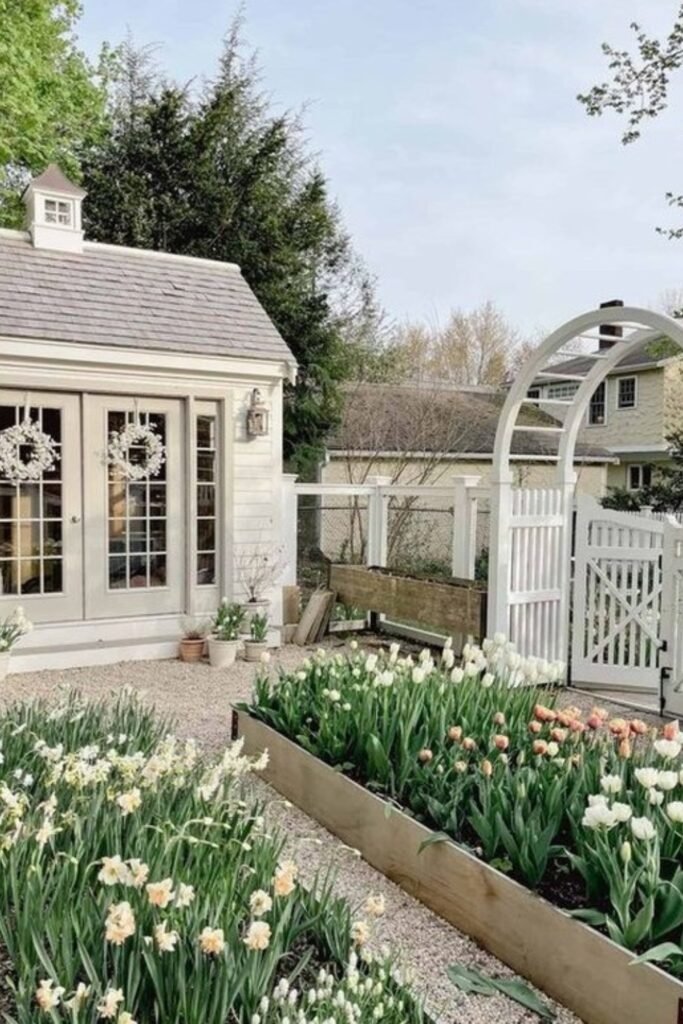
Use Outdoor Zones
If your shed feels packed for you no matter how much you organize it, you can shift some of your work outside.
When you create raised beds or simple outdoor zones around your shed, you can keep gardening tools, pots, and soil close without cluttering the inside.
It helps you work faster because everything you need stays within your reach while your shed stays clean and easy for you to move around in.
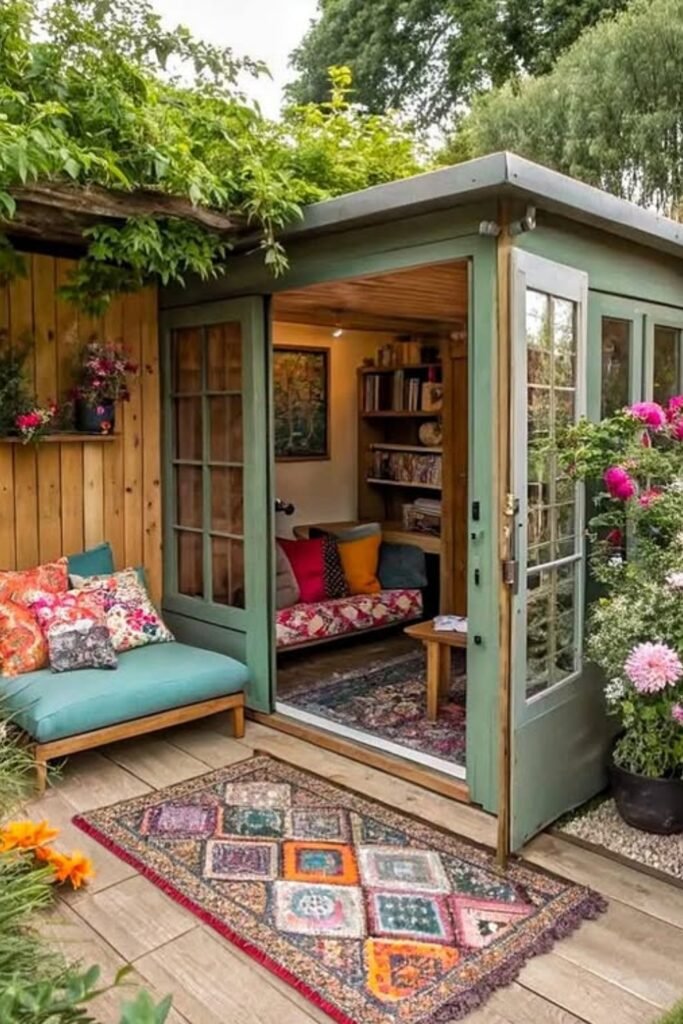
Create Multi-Use Shed
If your shed is only being used for storage, you might be wasting valuable space.
You can turn part of it into a small seating or reading corner while keeping storage along the walls.
With shelves for books or supplies and an open center, you can create a calm and functional space that still stays organized for you.
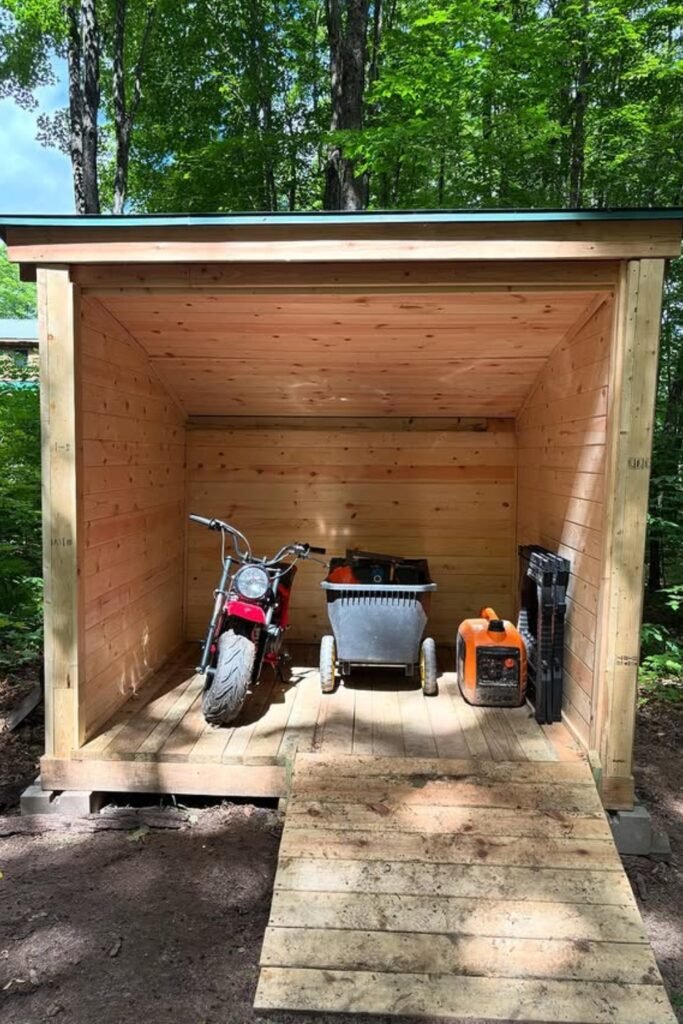
Keep Open Layout
If bulky items like bikes or equipment feel hard for you to manage, you should avoid overfilling your shed.
Keeping an open layout with only essential large items makes it easier for you to move around and access everything.
You can line items along the sides and keep the center clear so nothing feels stuck or difficult to reach.
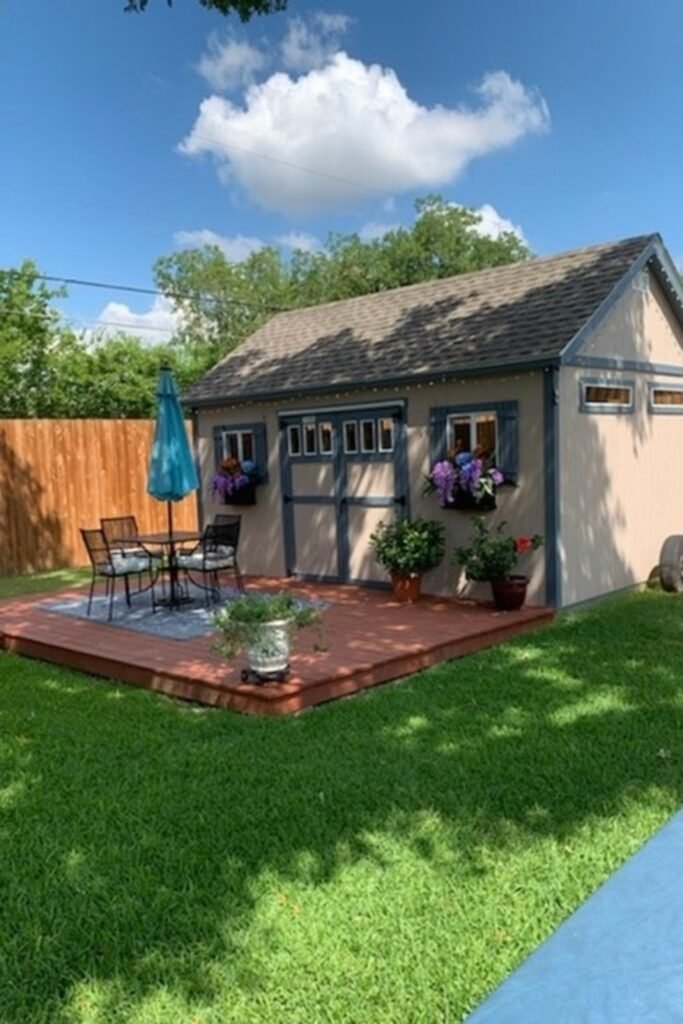
Add Outdoor Deck
If your shed area feels unused, you can turn the space in front of it into a useful extension.
A simple deck gives you extra room to store items, sit, or prepare tools before putting them away.
It also helps you keep dirt outside while making your setup more practical and organized for everyday use.
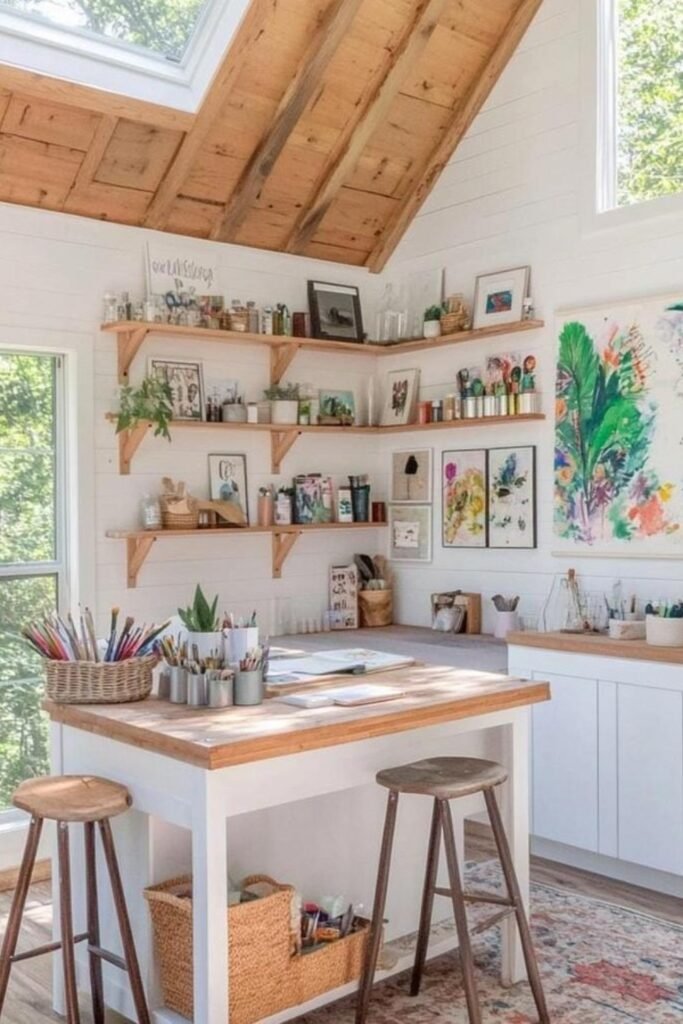
Use Wall Shelves
If your work surface keeps getting cluttered, you probably need more vertical storage.
You can install wall shelves to move paints, tools, and supplies off your table while still keeping them within reach.
Keeping frequently used items at eye level helps you stay organized and makes everything easier for you to find.
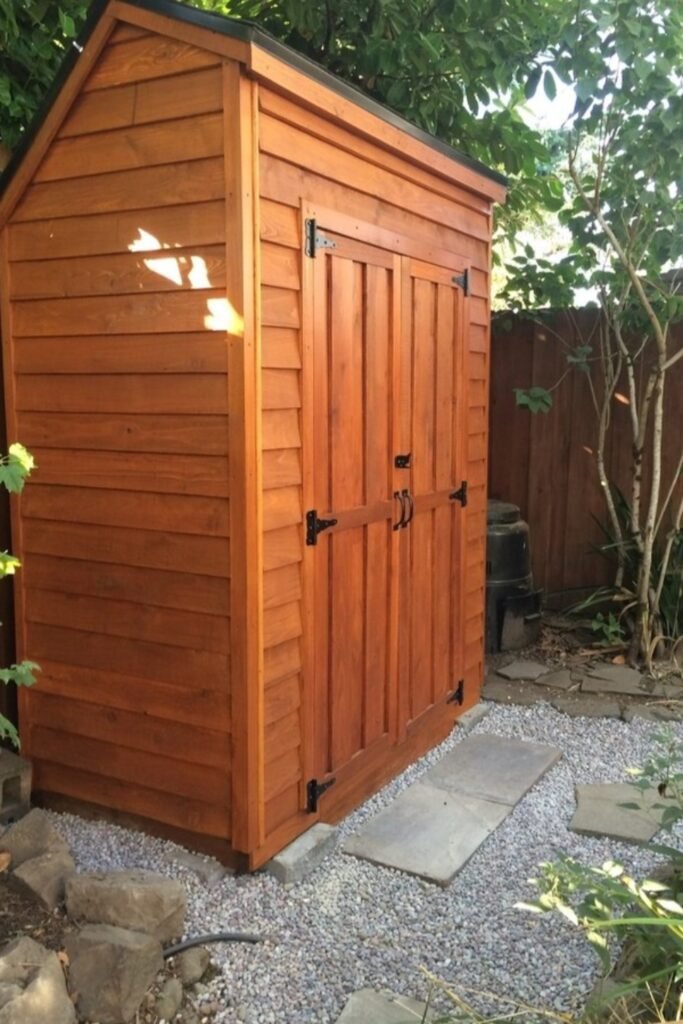
Use Double Doors
If moving tools in and out feels tight or frustrating, double doors can solve that problem.
They give you a wider opening so you can easily store bulky items like mowers or bins.
This makes your shed more accessible and reduces the struggle of handling large equipment.
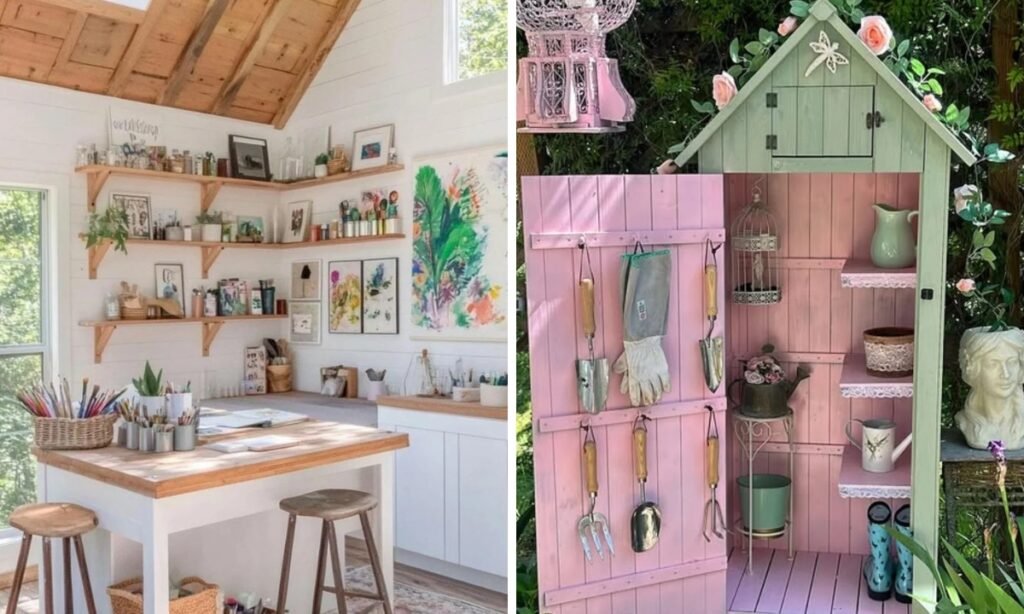
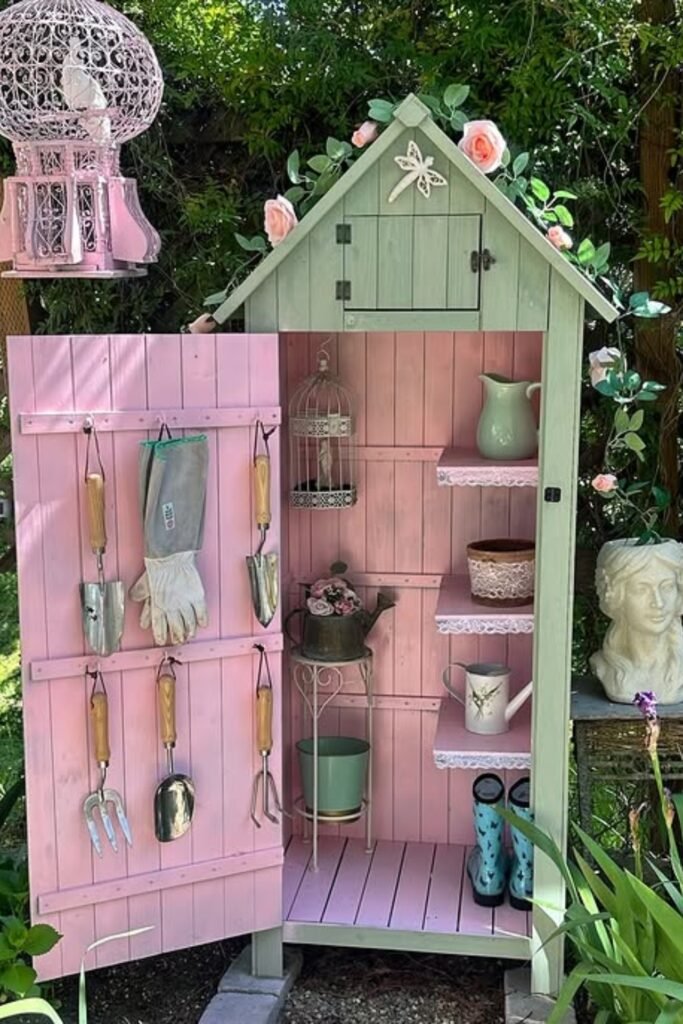
Use Door Storage
If you are running out of wall space, you can use the back of your shed door.
Adding hooks or small bars lets you hang frequently used tools like gloves, trowels, and pruners.
This keeps everything visible and easy for you to grab while freeing up your main storage space.
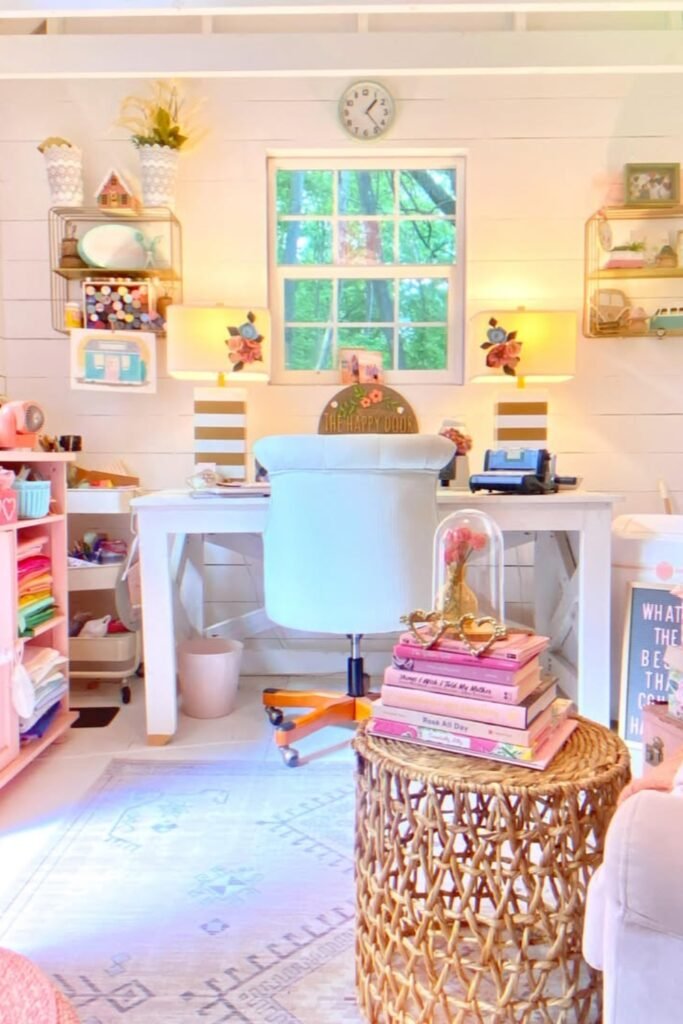
Create Workstation Zone
If your tools are always scattered, you should create a dedicated workstation.
A central table with nearby shelves and drawers keeps everything organized while you work.
Keeping daily-use items within your reach helps you stay focused and makes your shed more efficient for you.
Add Built-In Storage
If your shed still feels messy after organizing, the issue might be loose storage.
Built-in shelves and cubbies help you keep everything contained and sorted properly.
Using bins for small items and open sections for larger supplies makes your space cleaner and easier for you to maintain.
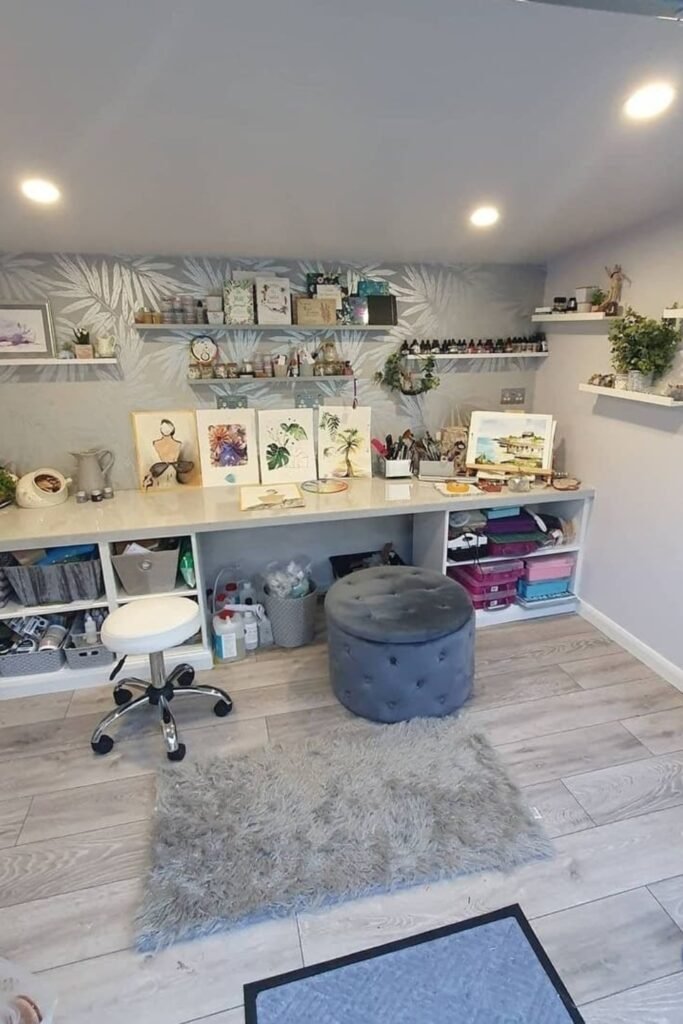
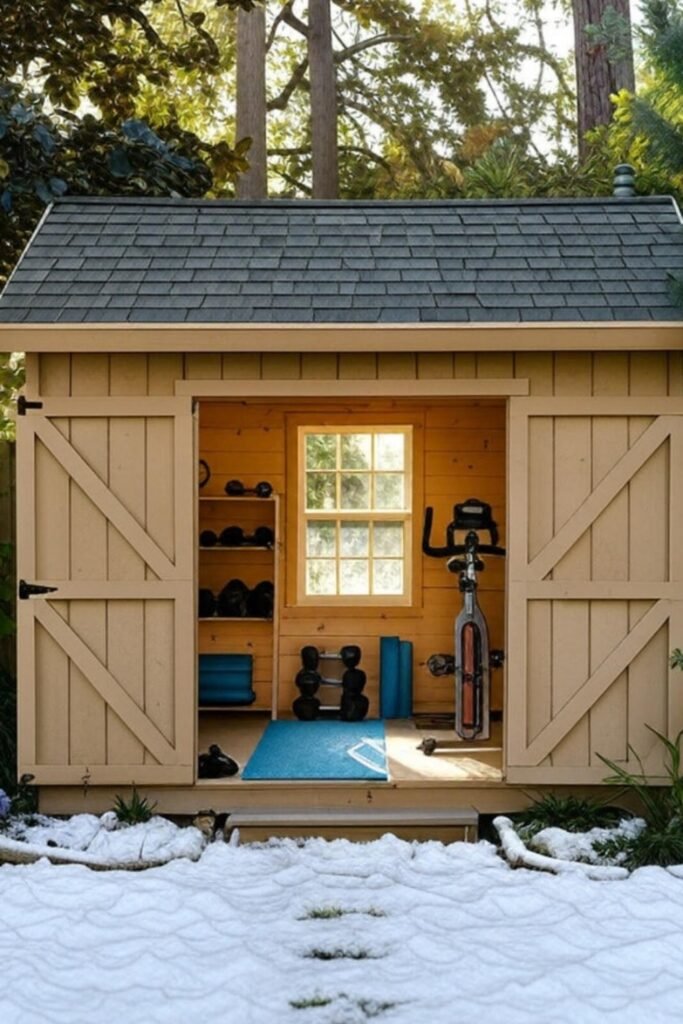
Create Activity Zone
If you mix everything in one space, clutter will always return.
You should assign a clear purpose to your shed, like a hobby or workout zone, and organize everything around that activity.
Keeping related items together ensures your shed stays functional, structured, and easy for you to use.
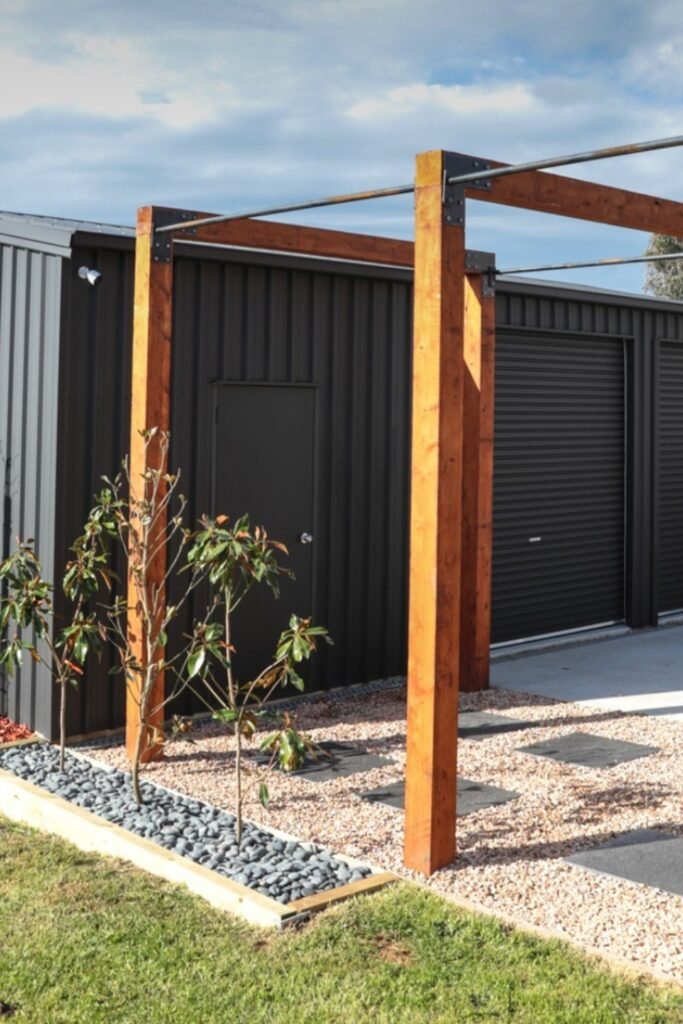
Use Outdoor Frame
When your shed starts feeling limited, you can extend its function outside instead of forcing everything inside.
If you add a simple frame or structure next to it, you can create space for hanging tools, drying items, or even light workouts.
You can keep bulky or frequently used gear out there, and you can still access it easily.
This setup can work best for you when you want more space without actually expanding the shed itself.
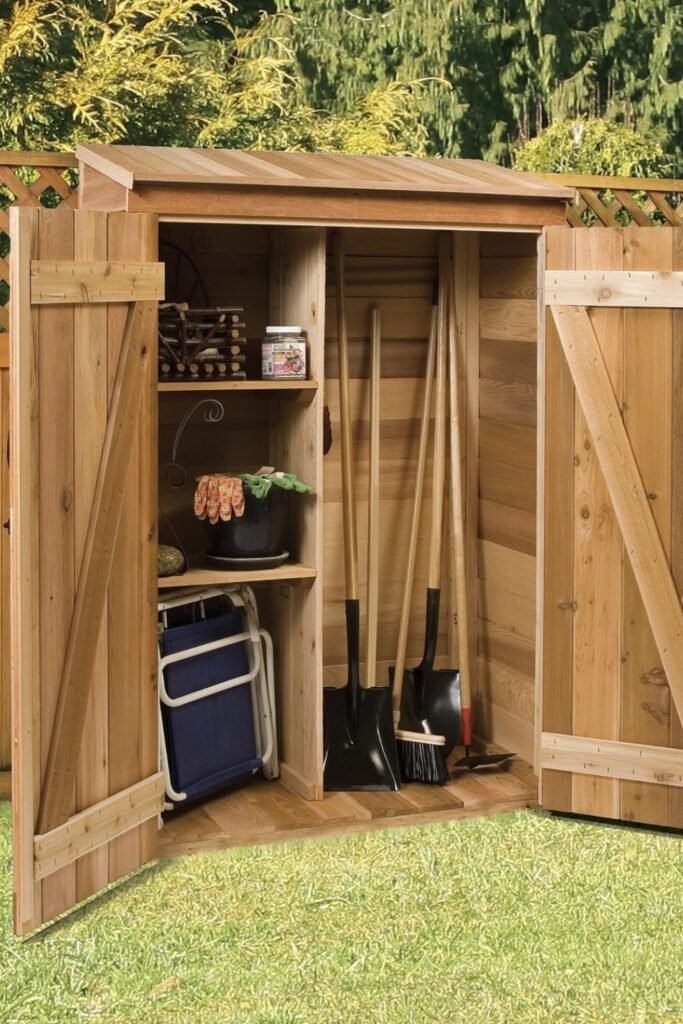
Divide Storage Sections
When everything gets stacked together, even your small shed can feel chaotic for you.
If you split the space into clear sections, you can instantly make things easier to handle.
You can keep one side for long tools like shovels and brooms, and you can use the other side for shelves with smaller items.
This way, you won’t have to move everything around just to find what you need.
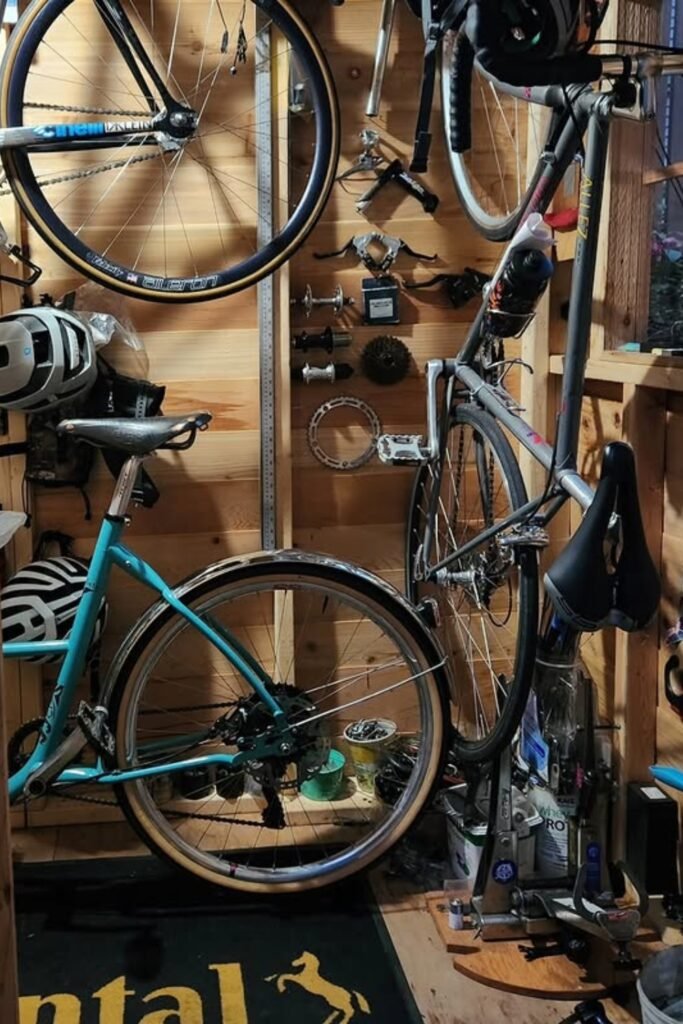
Hang Bikes Vertically
When bikes sit on the floor, they can quickly take over your entire shed.
If you mount them on the wall, you can instantly free up floor space and keep pathways clear for yourself.
You can use strong hooks or vertical racks to hold them safely, and you can keep related gear nearby so everything stays in one place.
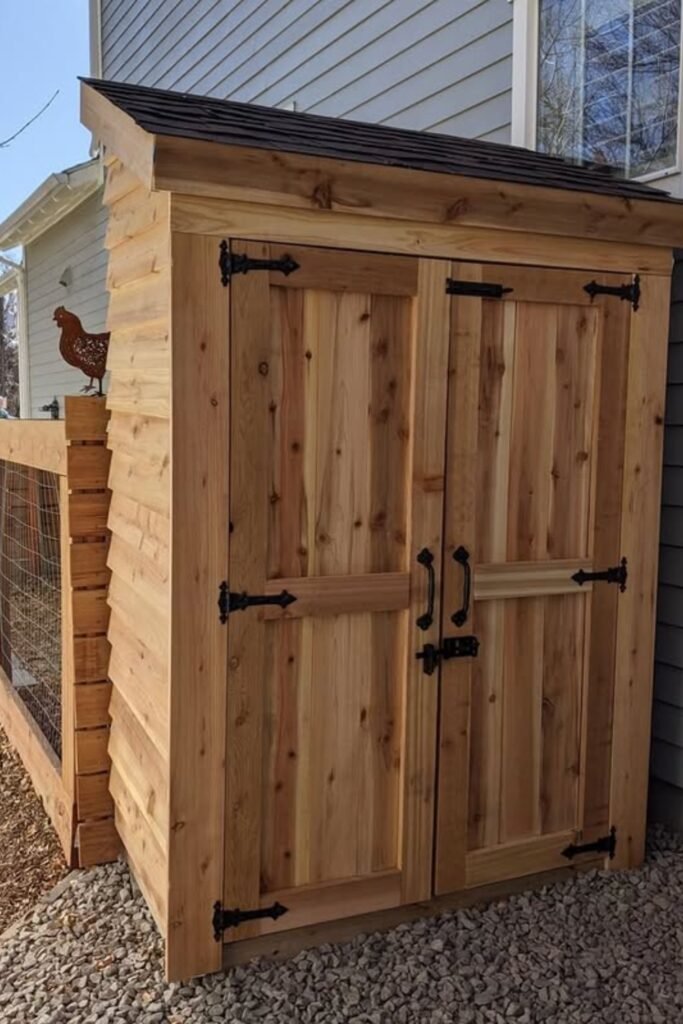
Use Side Access
When your shed is placed tight against a wall or fence, you need to use every inch wisely.
If you position it where you naturally walk through your yard, you can make access much easier for yourself.
You can grab tools quickly without struggling, and this setup can really help you when space is small but usage is frequent.
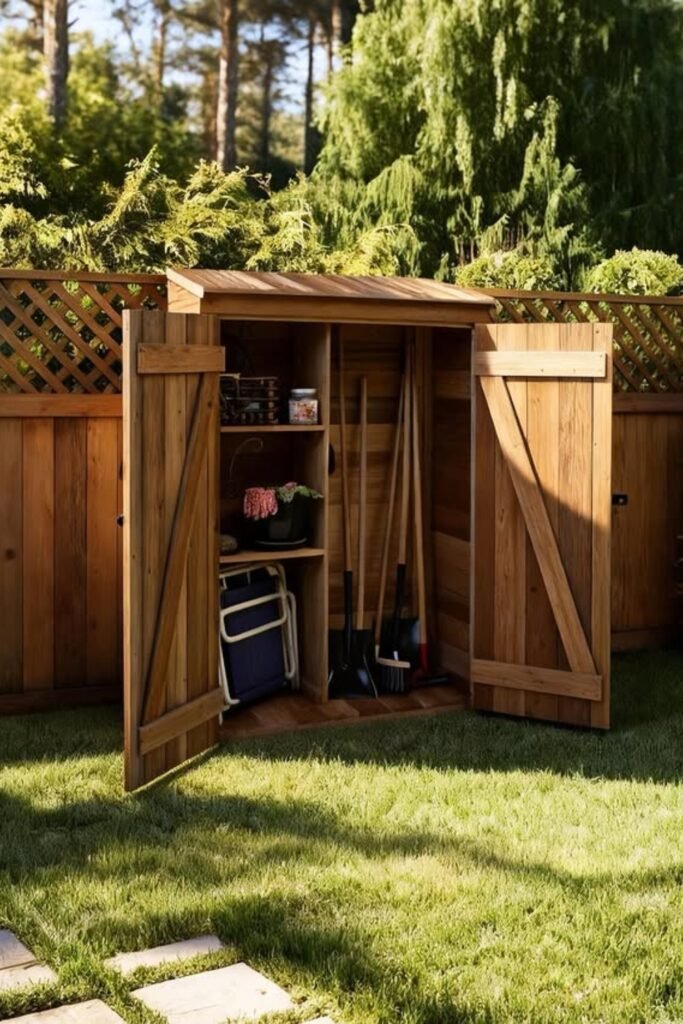
Combine Shelves Tools
When small items and long tools get mixed together, you make things harder for yourself than they need to be.
If you keep shelves on one side for pots, gloves, and supplies, and you leave the other side open for upright tools, you can stay more organized.
This setup works best for you when you want both storage and quick access without digging through clutter.
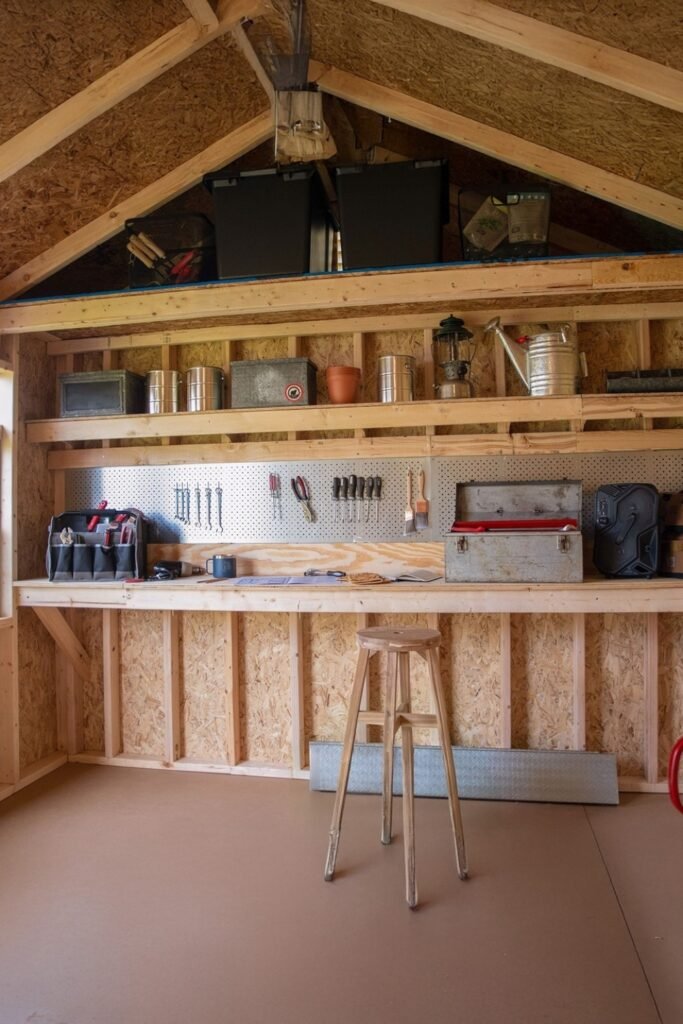
Use Overhead Storage
When your shed fills up fast, you often forget the space above your head.
If you add a loft shelf or overhead storage, you can move rarely used items out of your way.
You can store seasonal gear or extra bins up there, and you can keep your main space open so everyday tools stay easy for you to reach.
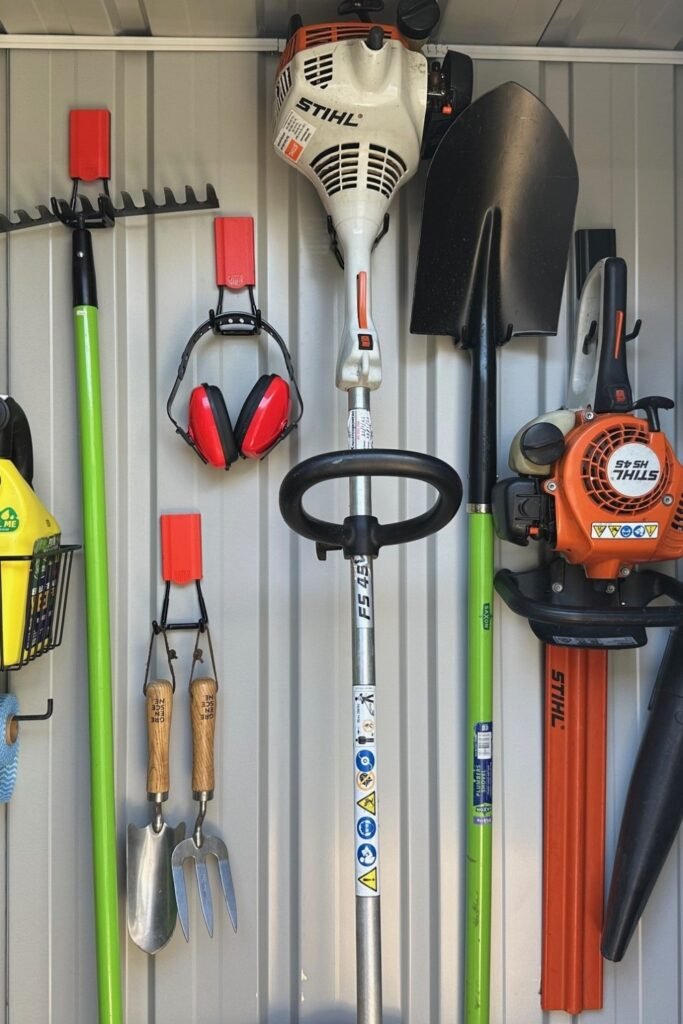
Hang Tools Wall
When your tools are always in a pile, you make simple tasks harder for yourself.
If you mount hooks or holders on the wall, you can hang everything neatly from shovels to trimmers.
You should group similar tools together so you can grab what you need quickly without searching around.
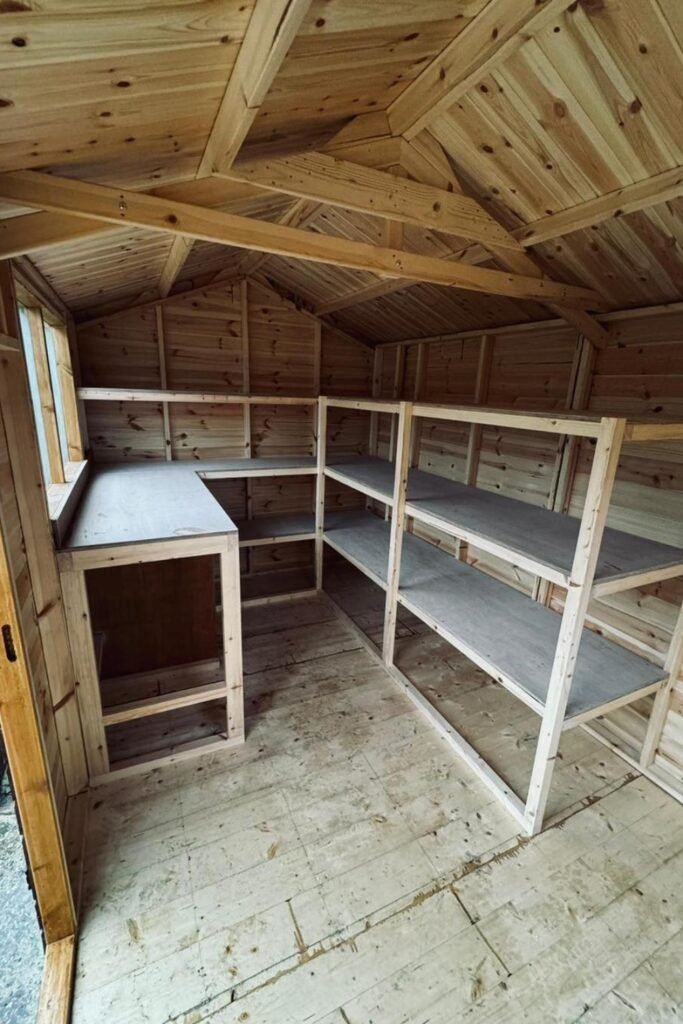
Build Corner Shelving
When corners are empty, you’re actually wasting useful space in your shed.
If you install L-shaped corner shelves, you can store more without blocking your movement.
You can keep heavier items on the lower shelves and lighter supplies on top, so everything stays balanced and easy for you to use.
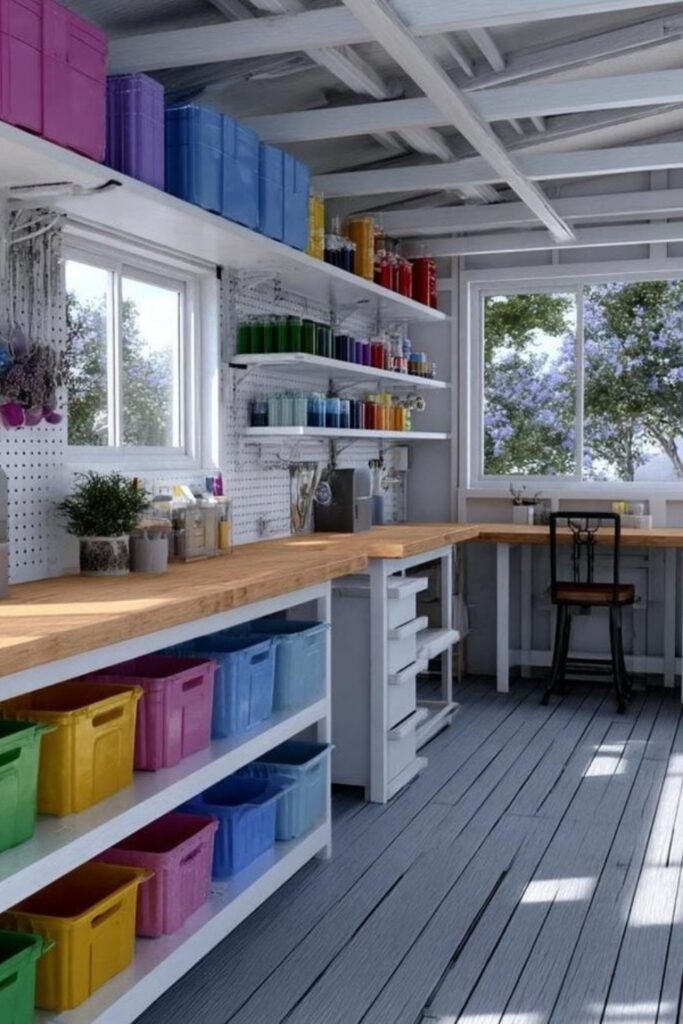
Use Color Bins
When everything looks the same, you can struggle to find small items quickly.
If you use color-coded bins, you can instantly recognize what you need.
You should keep similar items in the same color and place them on open shelves so nothing gets hidden or lost for you.
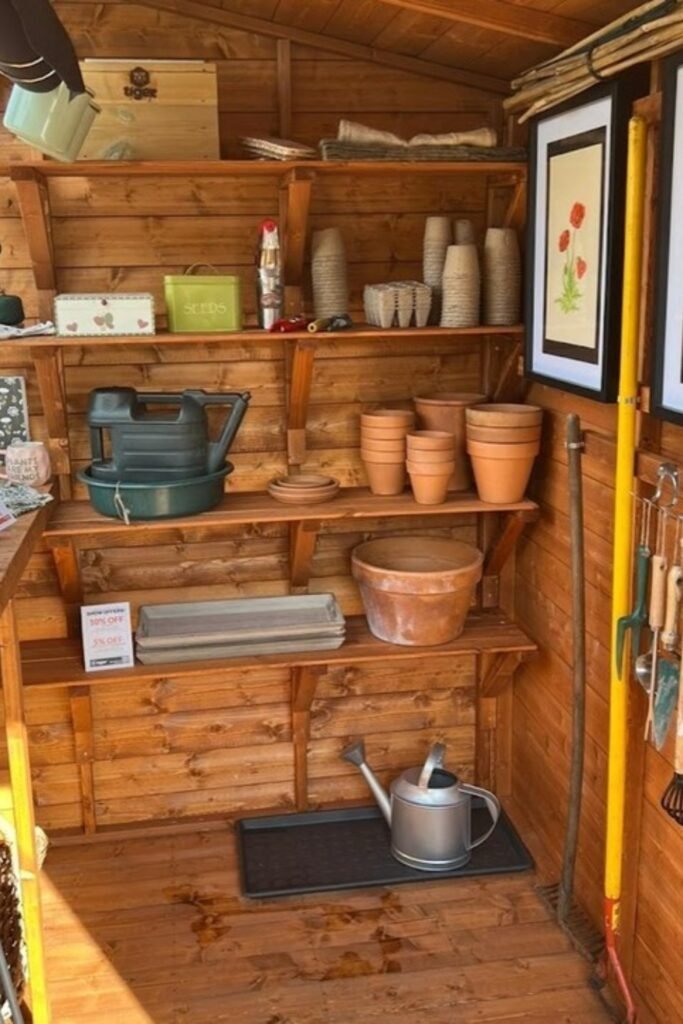
Organize By Category
When everything is mixed together, even a clean shed can feel messy for you.
If you group similar items like pots, seeds, and tools into separate sections, you can always know where to look.
You should keep frequently used items at waist level and store extras higher so your shed stays simple and easy for you to manage.
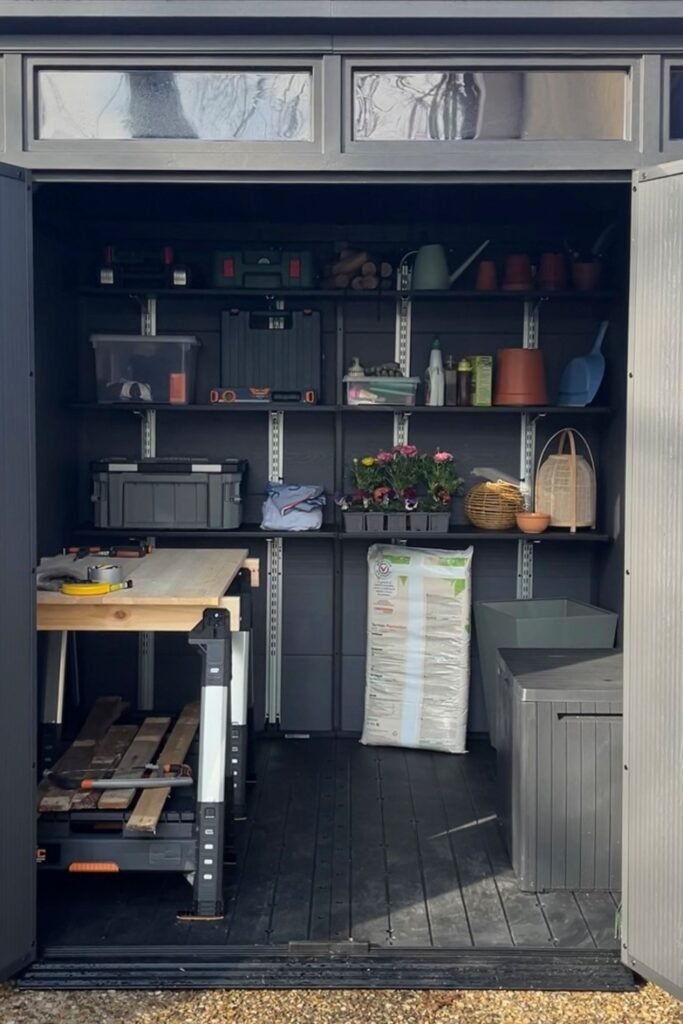
Use Adjustable Shelves
When your storage needs keep changing, you can’t rely on fixed shelves anymore.
If you use adjustable shelving, you can shift heights based on what you’re storing, tall items, bins, or small tools.
You should keep heavier items lower so you can stay safe, and you can place lighter ones higher to stay organized.
This setup can really work best for you when your shed keeps switching between tools, supplies, and seasonal items.
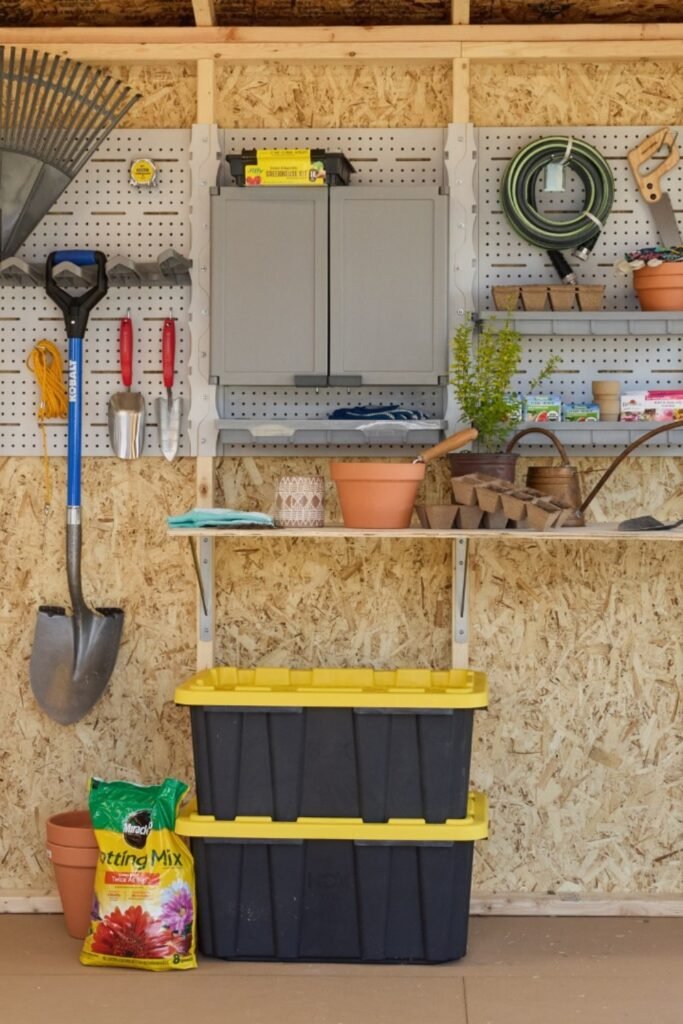
Use Pegboard System
When your tools keep moving around, you need a fixed place for each one so you don’t lose control.
If you use a pegboard system, you can hang and rearrange tools based on how you actually use them.
You should keep frequently used items at eye level and group similar tools together so everything stays easy for you to grab when needed.
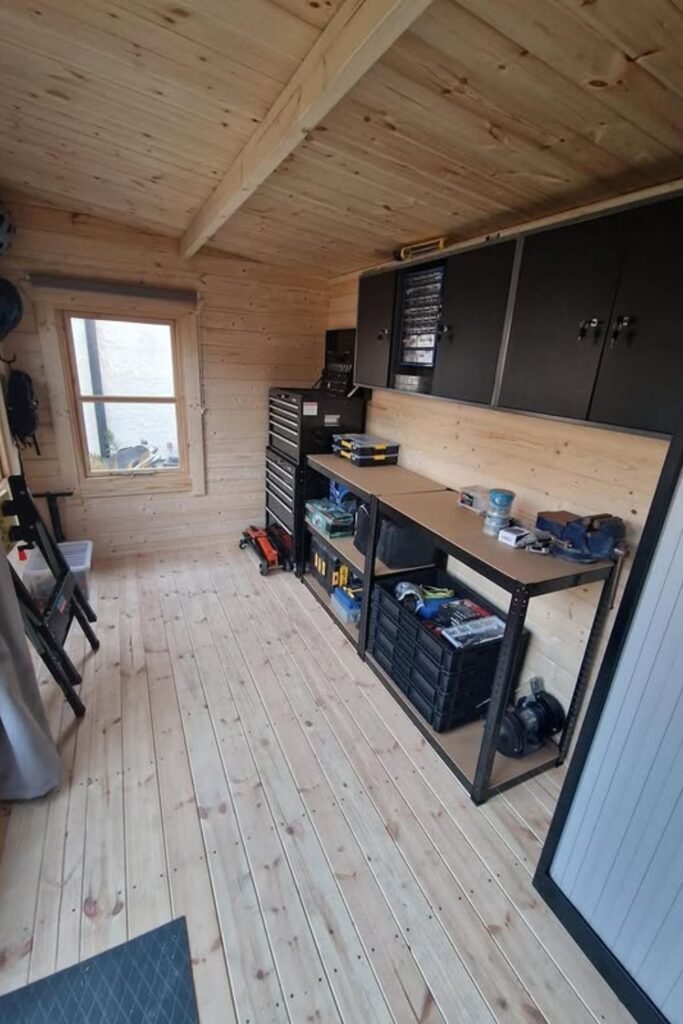
Use Closed Cabinets
If your shed still looks cluttered even after organizing, open storage might be the problem for you.
When you use closed cabinets, you can hide visual mess and also protect your tools from dust.
You can keep frequently used items on your workbench and store the rest behind doors, so your shed can stay clean and minimal for you.
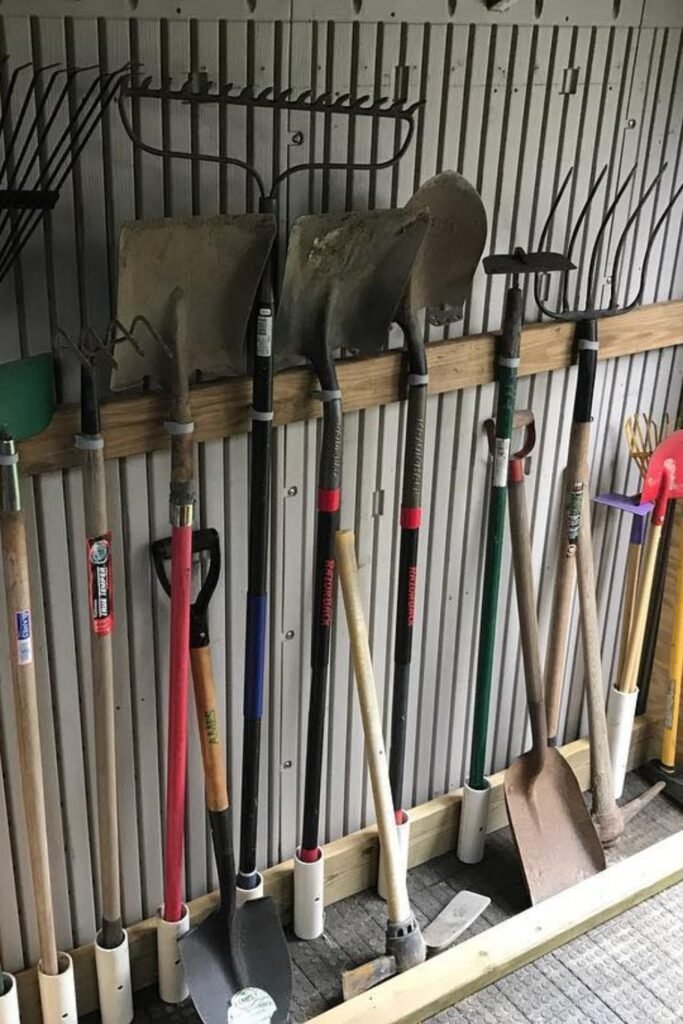
Store Tools Upright
When you lean tools against the wall, they usually end up in a messy pile that you have to fix again.
If you store them upright, each tool can stay in its own spot and nothing will fall or tangle.
You can build simple holders using wood or PVC pipes, and this setup can work best for your long-handled tools so you can grab them easily.
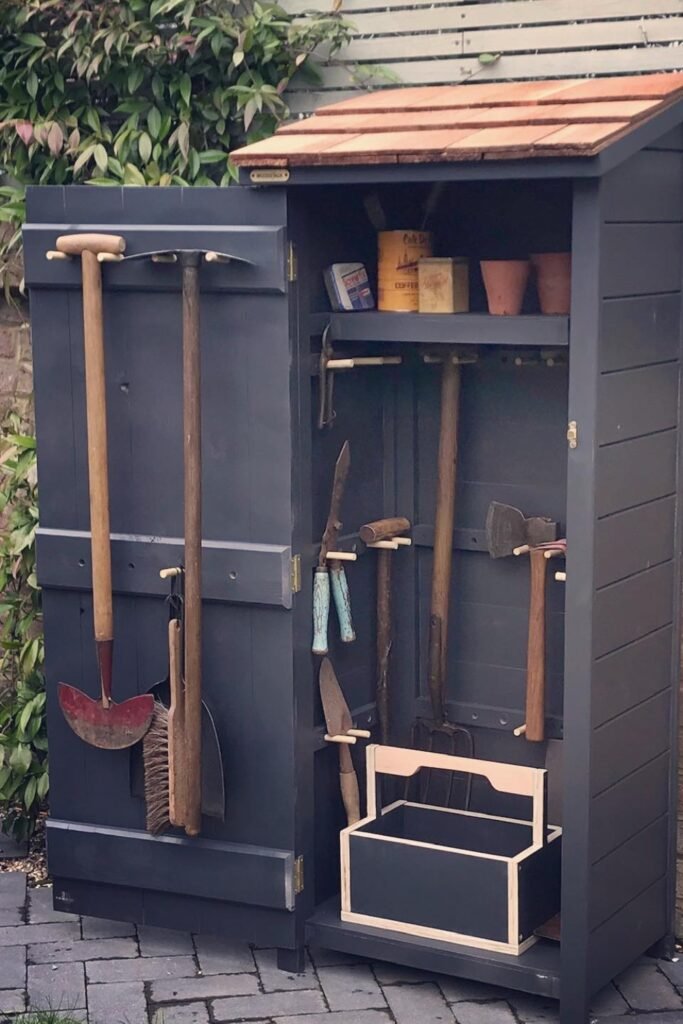
Use Compact Cabinet
When you don’t have space for a full shed, you can still stay organized with a compact cabinet.
You can store small tools and supplies inside, and you can even add hooks on the doors for extra space.
This can help you keep everything protected while using every inch smartly, especially if your yard is small.
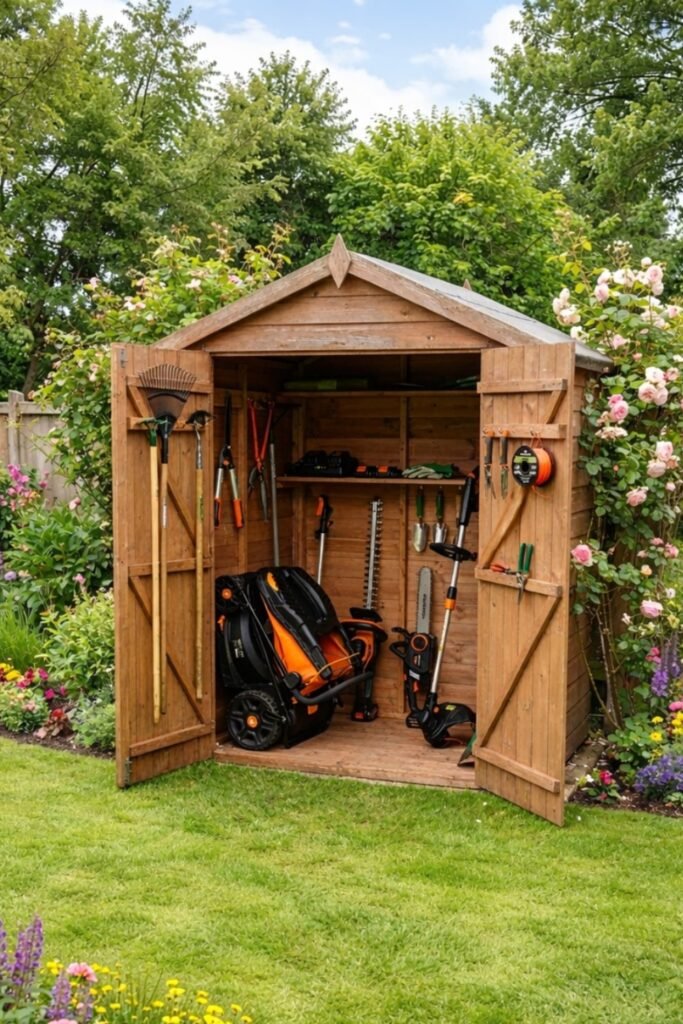
Use Door Hooks
When you ignore your door space, you actually lose a lot of easy storage.
If you add hooks or small holders, you can keep frequently used tools right where you reach first.
This can free up your wall space and reduce clutter inside, so you can access things quickly without digging through shelves.
FAQs
How Do I Keep My Shed Organized Long-Term?
If you don’t build simple habits, you can end up letting your shed go messy again without even noticing.
You should always return tools to the same spot after you use them, and you should avoid dumping items “just for now” because it can quickly build up.
If you make this a rule for yourself, you can keep things under control much easier.
You can also do a quick 5-minute reset every week, and when you do that, you can stop clutter from building up again and you can keep everything in place without extra effort.
What is the Easiest Way to Organize a Small Shed?
Start by using vertical space instead of the floor because you can free up a lot of room that way.
You can hang tools, add shelves, and use door storage so everything feels more open and usable for you.
You should keep only what you actually use so you don’t create extra clutter, and you can group similar items together so you don’t waste your time searching in a tight space.

Hi, my name is Zeeshan, and I am the founder of The Crafts Geek. I have been passionate about DIY projects, home organization, and creative problem-solving for years. Over time, I realized that simple storage solutions and practical DIY ideas can make a huge difference in how a home looks and functions.