You’ve probably looked at a few chicken coops online, and you’ve thought, “Why are these so expensive?”
You might have checked some DIY guides, and you’ve noticed that either you can’t make sense of them, or you feel like you’ll get stuck halfway.
Now you’re there, you’re unsure where you’ll start, and you’re wondering how much you might actually spend.
In this article, you’ll see how you can build a chicken coop without wasting your money, and you’ll realize you don’t have to overcomplicate the process.
What Is The Cheapest Way To Build A Chicken Coop?
You’ll find that the cheapest way to build a chicken coop is simple: you use what you already have, or you find stuff you can get for free, and you keep the design basic.
If you go out and buy all new materials, you’ll see your costs increase fast.
But if you look around, you can find things like old pallets, scrap wood, leftover metal sheets, or even a cabinet or small shed you’re not using, you can use these to build most of your coop without spending much.
You should start by thinking about how many chickens you want to keep. If you only have a few, you don’t need a big coop, you can save money and effort.
Once you know the size, you’ll want to keep the design simple. You don’t need anything fancy.
You can build a basic coop with a roof, a secure door, nesting space, and proper airflow, and you’ll see that it works perfectly.
You can also save money by using simple tools, you probably already have a hammer, nails, and a basic saw, and that’s enough to get the job done.
But while you focus on saving money, you should never cut corners on safety. If you use weak materials or thin wire, you’ll find predators can get in easily.
You always need to make sure the structure is strong and secure, you’ll thank yourself later.
When you stick to free or low-cost materials, keep your design simple, and make safety a priority, you’ll be able to build a chicken coop that works really well without spending a lot.
Raised Ventilated Coop
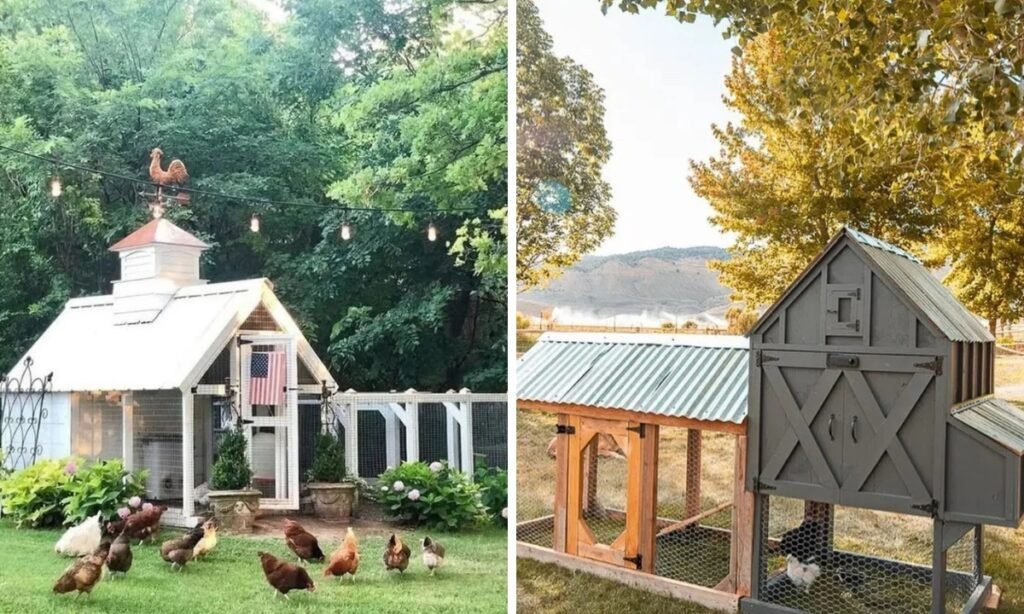
When you want a coop that stays dry and lasts longer, you should lift it slightly off the ground and add a sloped metal roof.
You’ll see that this setup works best if your backyard gets rain or moisture.
You can use strong wire for the run, and you should leave space near the top for airflow.
That small vent section helps you reduce smell and keeps your chickens comfortable all year, you’ll notice the difference immediately.
Garden Style Coop
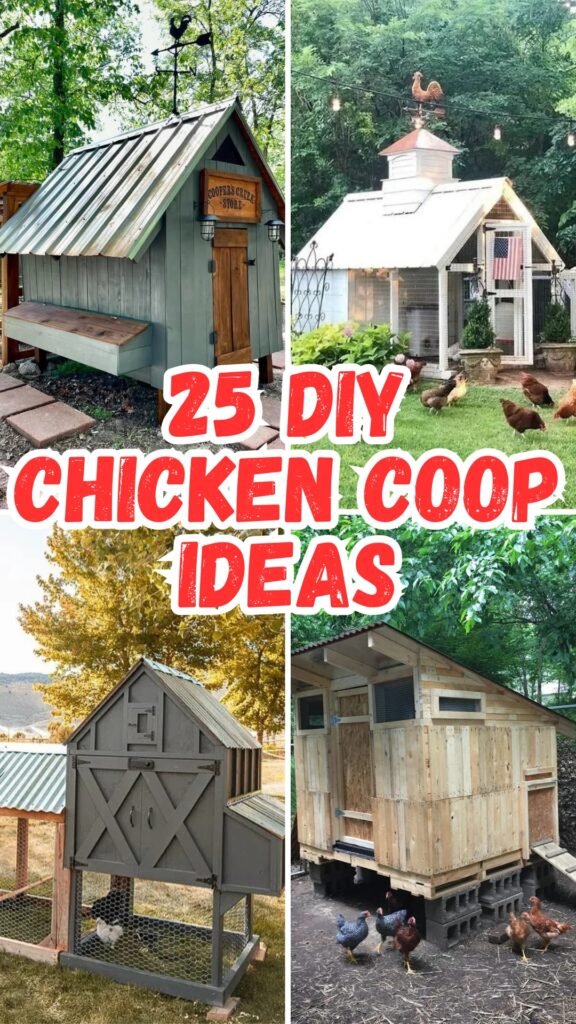
If you want your coop to blend in instead of standing out, you can go for a garden-style wooden build.
You’ll want to use natural wood and let plants grow around it so you create shade and a cooler space for your chickens.
This works best if you pick a quiet garden corner.
You should also make sure the mesh is strong and the wood is treated, you don’t want it to rot over time.
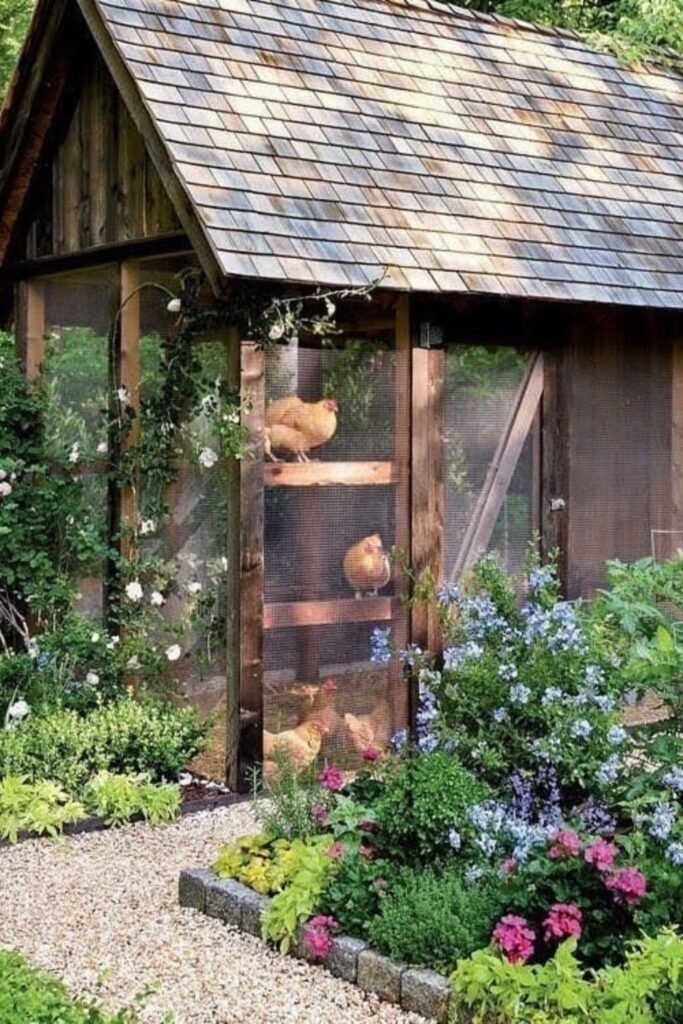
Walk-In Backyard Coop
You’ll love a walk-in coop if you don’t want to bend every time you clean or collect eggs.
You can move around comfortably and manage everything with ease.
If you have more chickens or a bigger yard, you should use a simple wooden frame with large mesh panels for airflow, you’ll save time on daily maintenance and feel less tired.
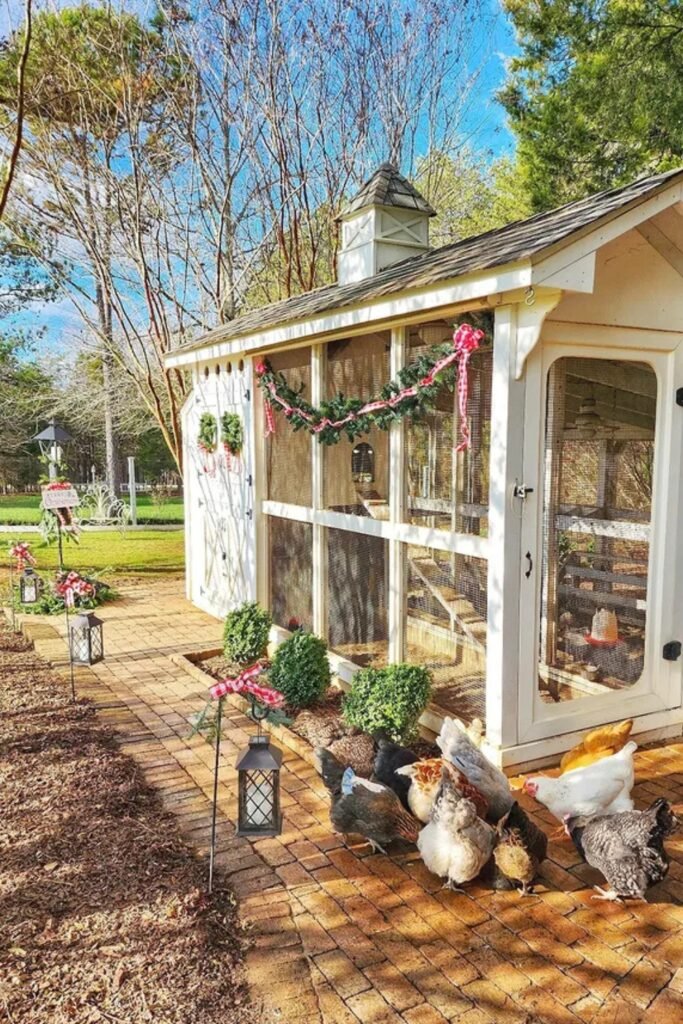
Raised Coop Combo
When you want to save space but still give your chickens room to move, you can combine a raised coop with a covered run.
You’ll notice that the elevated section keeps nesting dry, while the attached run lets your chickens stay active.
You should use wood for the frame and metal roofing for durability, you’ll get protection and movement in one build.
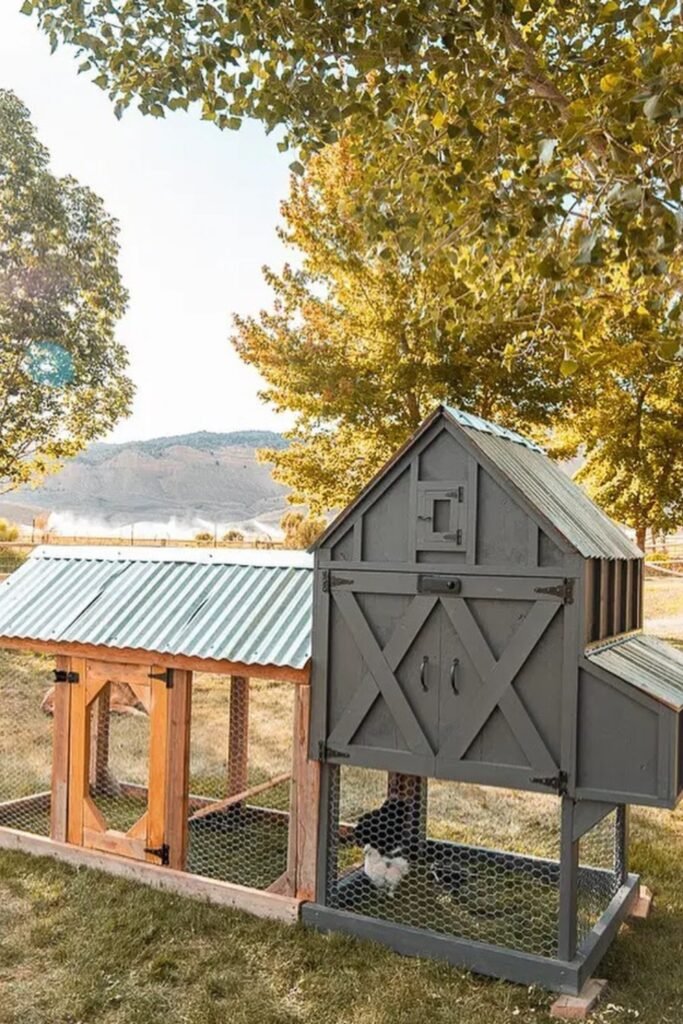
Extended Run Coop
If your chickens need more space to roam safely, you can extend the run instead of building a bigger coop.
You’ll find this works great in open backyards where you want movement without letting your chickens free-range all day.
You should keep the main coop compact and let the run handle the extra space, you’ll enjoy the balance between safety and freedom.
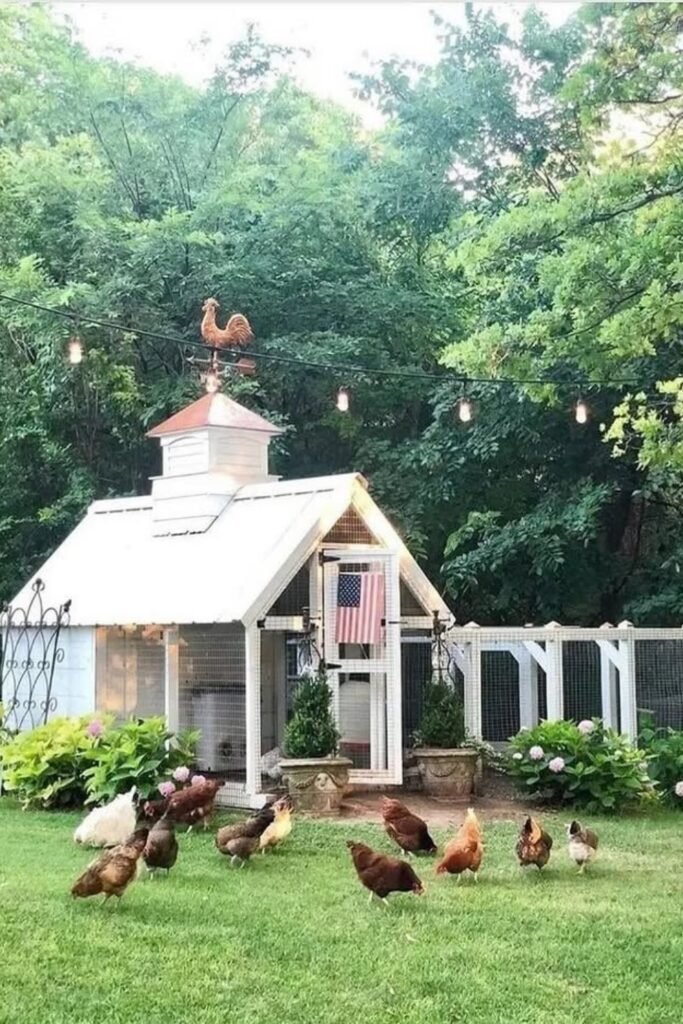
Fenced Run Setup
You’ll want this setup if predators are your biggest concern. You should focus more on the run than the coop itself.
When you build a fully fenced enclosure, your chickens can move safely while you relax knowing they’re protected.
You should use wooden posts and secure strong mesh on all sides, you’ll feel confident leaving them outside.
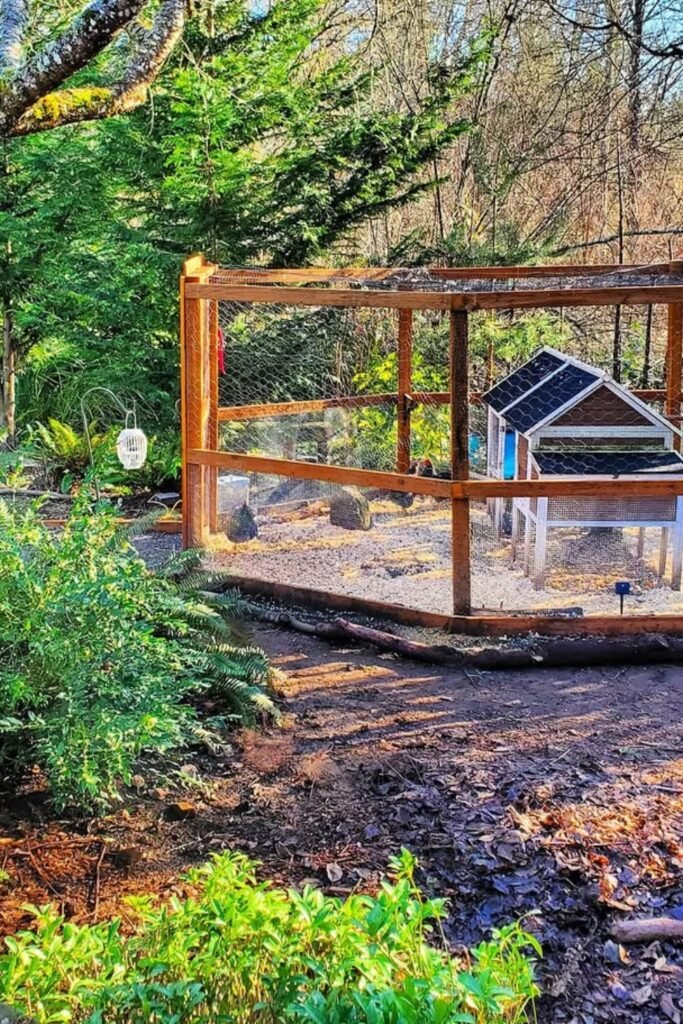
Open Frame Coop
If airflow is your priority, you can keep the structure open and airy. You should use mesh panels instead of solid walls so fresh air can move freely.
This works best if you live in warmer climates where heat can be a problem.
You should also make sure the frame is strong and the mesh tightly secured, you don’t want predators pushing through while your chickens enjoy the breeze.
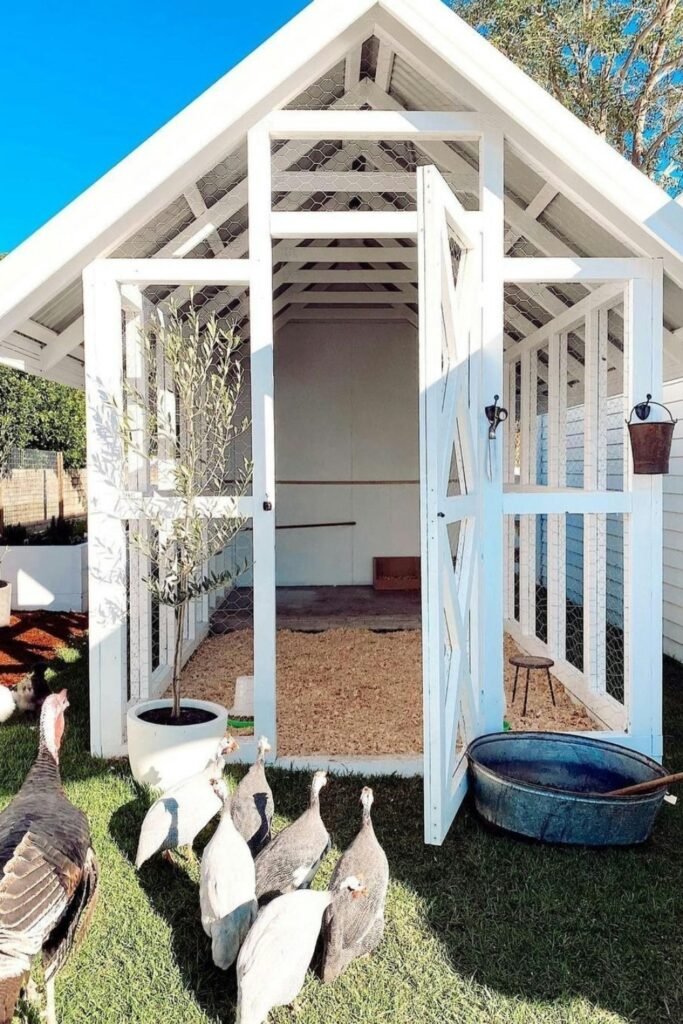
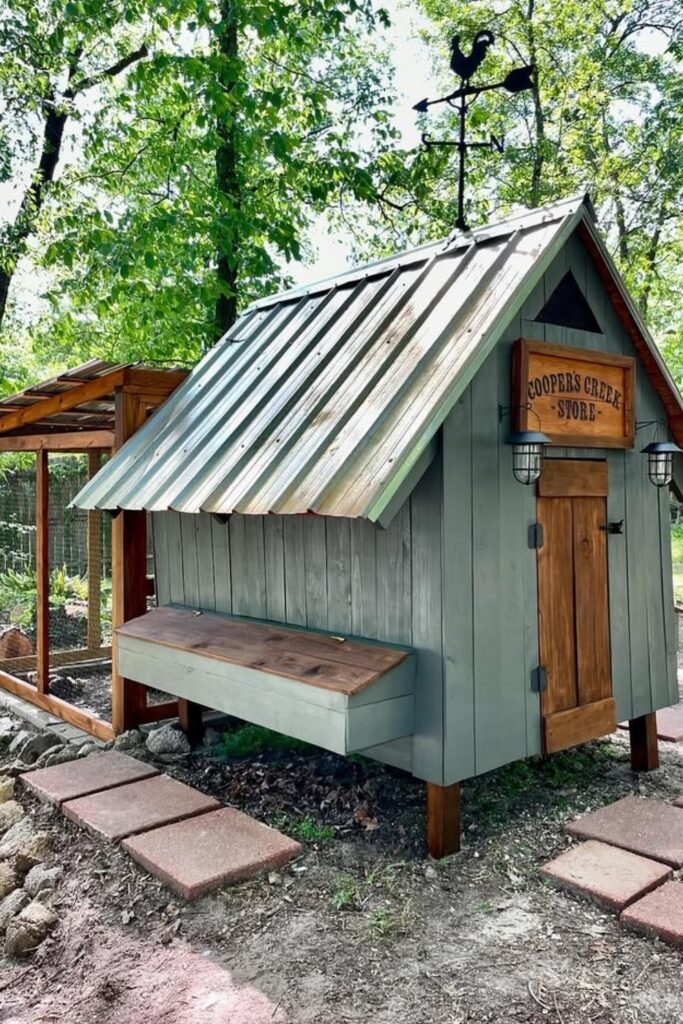
Elevated Nesting Coop
You can make egg collection easier by adding external nesting boxes instead of placing them inside.
You’ll save yourself trips into the coop every time. If you raise the whole structure slightly, it will stay dry and pests won’t bother your chickens.
This works well if your ground is uneven, and you’ll see that the attached covered run keeps everything connected without taking too much space.
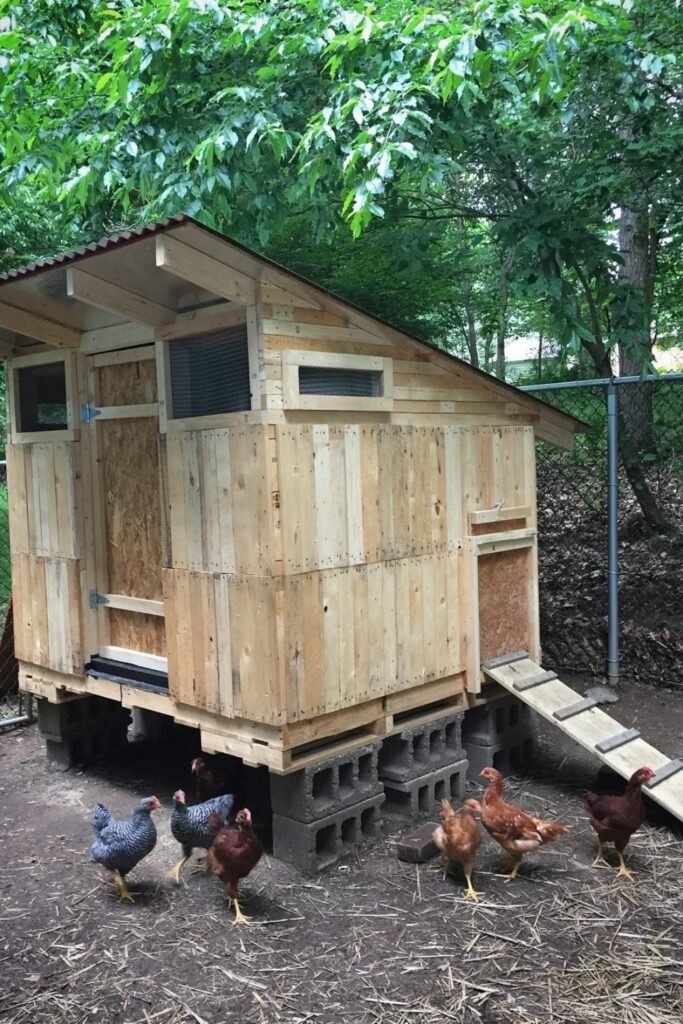
Pallet Raised Coop
When you want to build almost for free, you can stack pallets and cinder blocks to create a raised base.
You’ll notice that it keeps the coop off the ground and saves you from buying extra lumber.
You should use leftover wood to close the walls and add small vents near the top, you’ll find this setup strong and budget-friendly.
Covered Run Coop
If you live in a rainy area, you should cover the run instead of leaving it exposed.
You’ll see that a simple sloped roof keeps the ground dry and reduces mud, which means you’ll spend less time cleaning.
You should use wooden posts and wrap the frame with strong mesh, you’ll find it works best when your chickens spend most of their time outside.
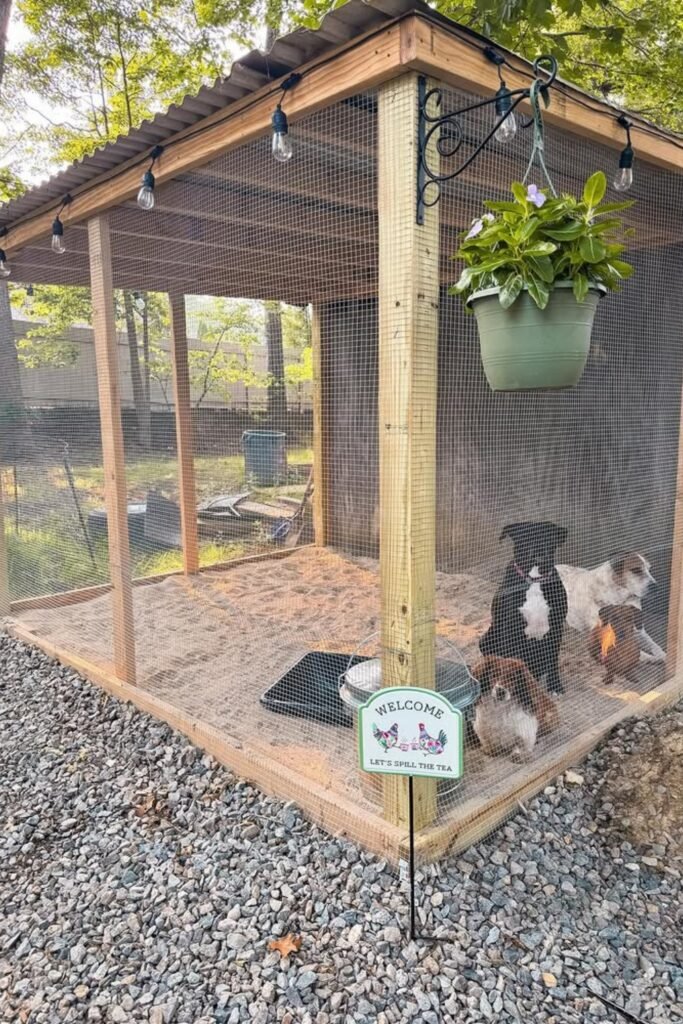
Garden Fence Coop
If you want your chickens to stay safe without ruining your garden, you can build a fenced area around both the coop and plants.
You’ll see that this keeps your chickens contained while letting you grow food in the same space.
You should use simple wooden posts and wire panels to section it off, you’ll find it works best if your backyard needs control without losing space.
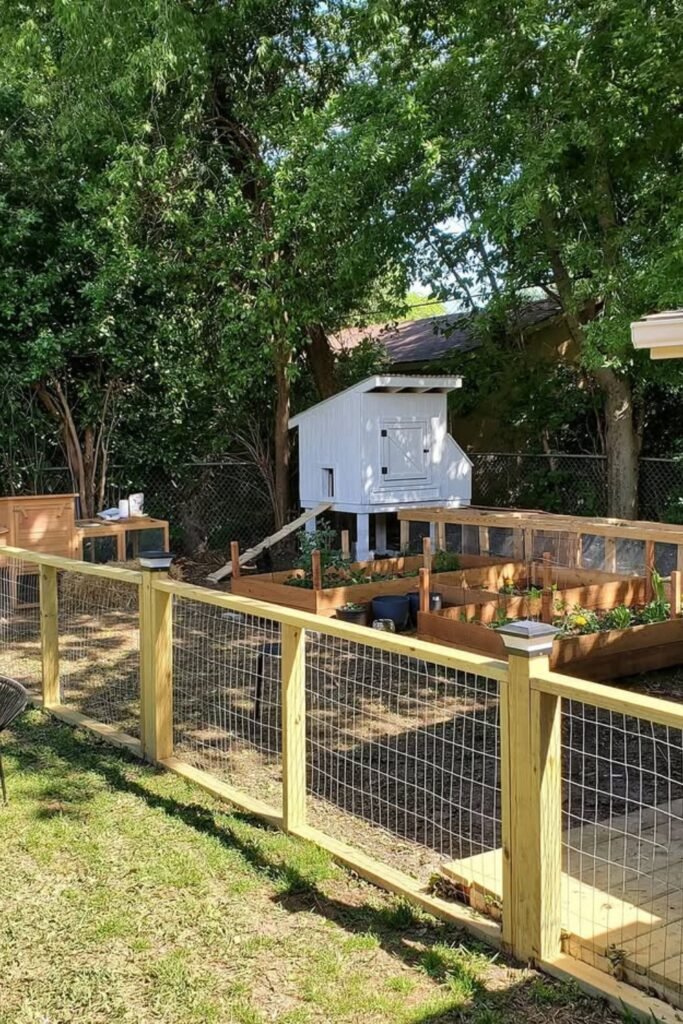
Pondside Coop Setup
When you have a natural water source nearby, you should place your coop close to it but slightly elevated.
You’ll give your chickens a cooler environment and easy access to water, especially in warmer areas.
You can use a raised base and a covered run to protect them from moisture, you just need to make sure the ground drains well so you won’t end up with a muddy mess.
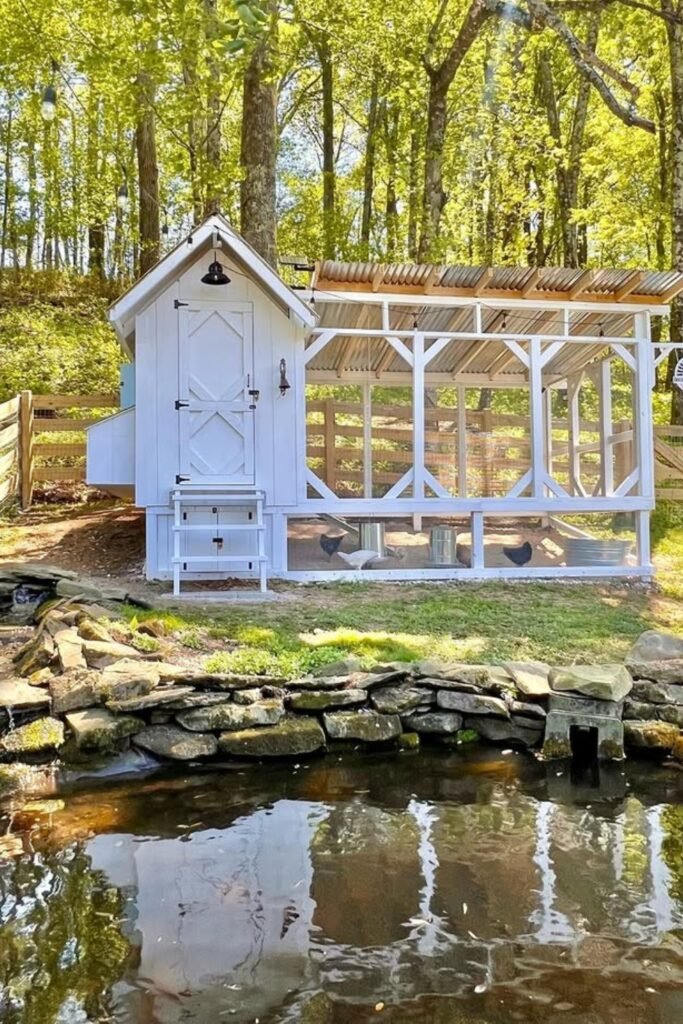
Cottage Style Coop
If you want your coop to feel like part of your home, you can build it like a small cottage with a front entry and fenced area.
You’ll notice this works well if your backyard is decorative and looks matter.
You should use light wood, simple fencing, and gravel flooring, you’ll make access easy while keeping everything secure.
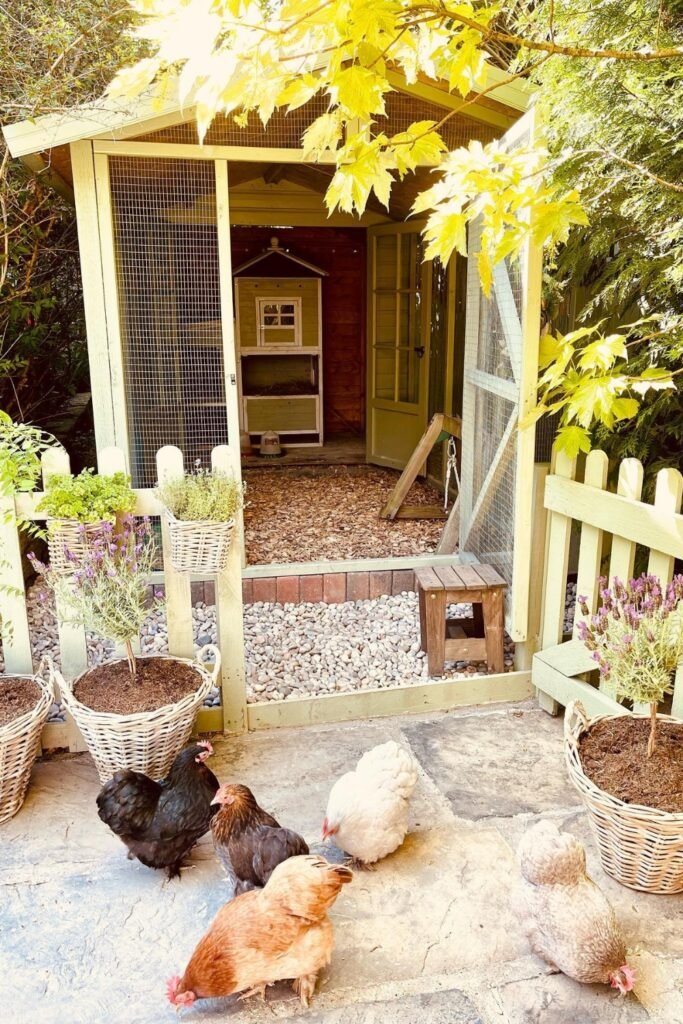
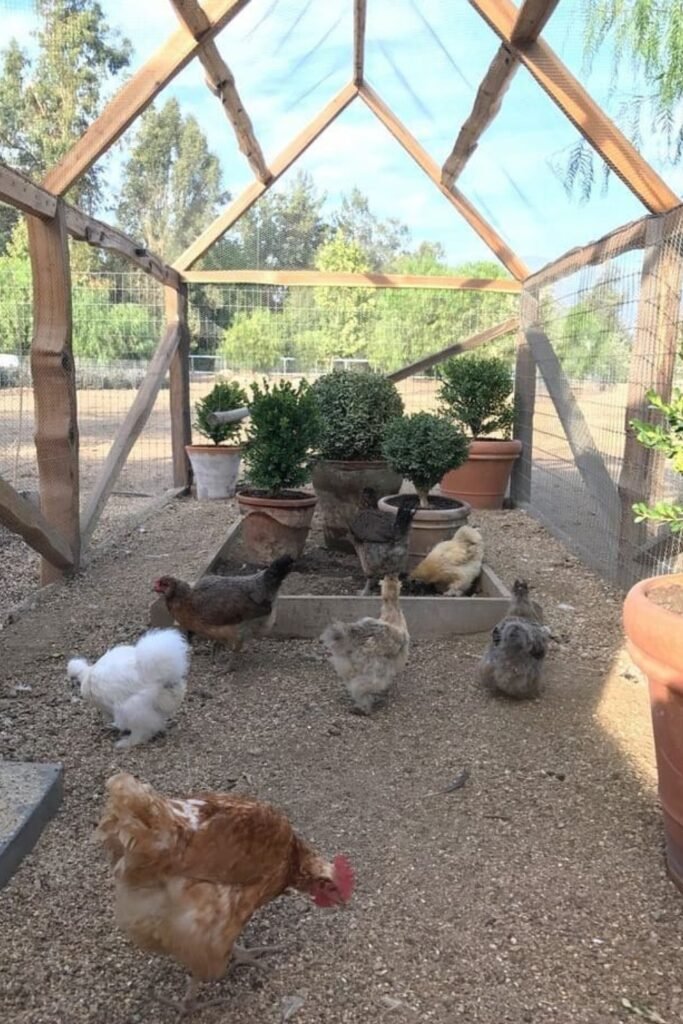
Greenhouse Style Run
You’ll love this setup if you want your chickens to stay active even in bad weather.
You should cover the run with a clear or semi-covered roof, it lets sunlight in while keeping rain out.
You can even grow plants inside the run, you’ll find it works great for both your chickens and your garden.
Use a simple wooden frame and secure mesh sides so you can enjoy a bright, protected space.
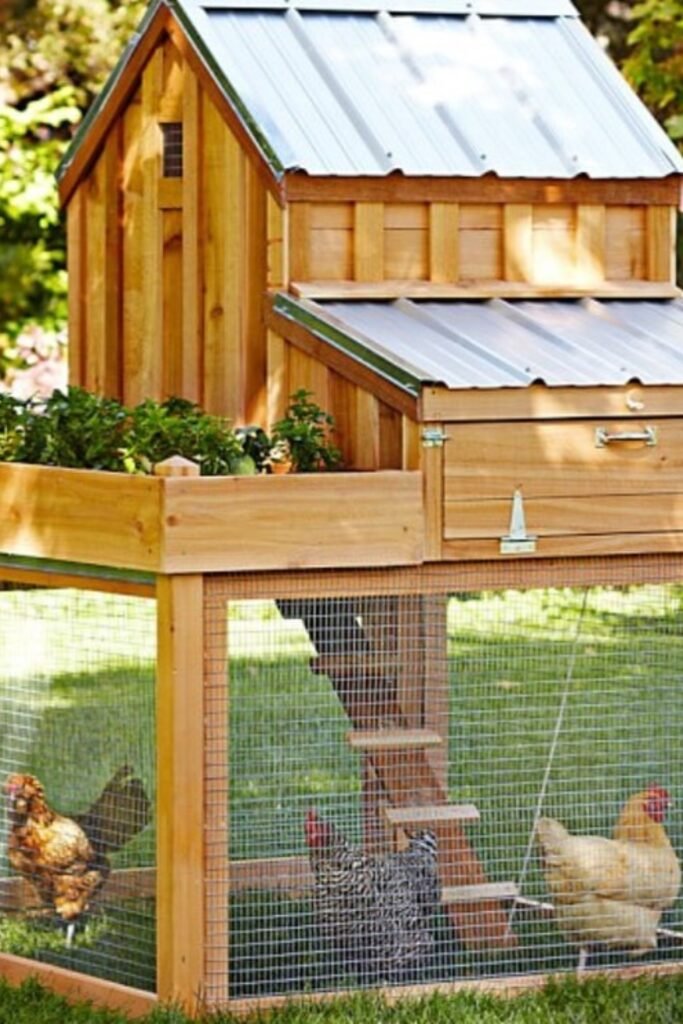
Compact Raised Coop
If you have limited space, you should build a compact raised coop with a small run underneath.
You’ll see that it uses vertical space instead of spreading out, which is perfect for small backyards.
You can add a side-opening nesting box, you’ll make egg access super easy.
This setup keeps everything organized in one tight, efficient design, and you’ll find it simple to build with basic wood.
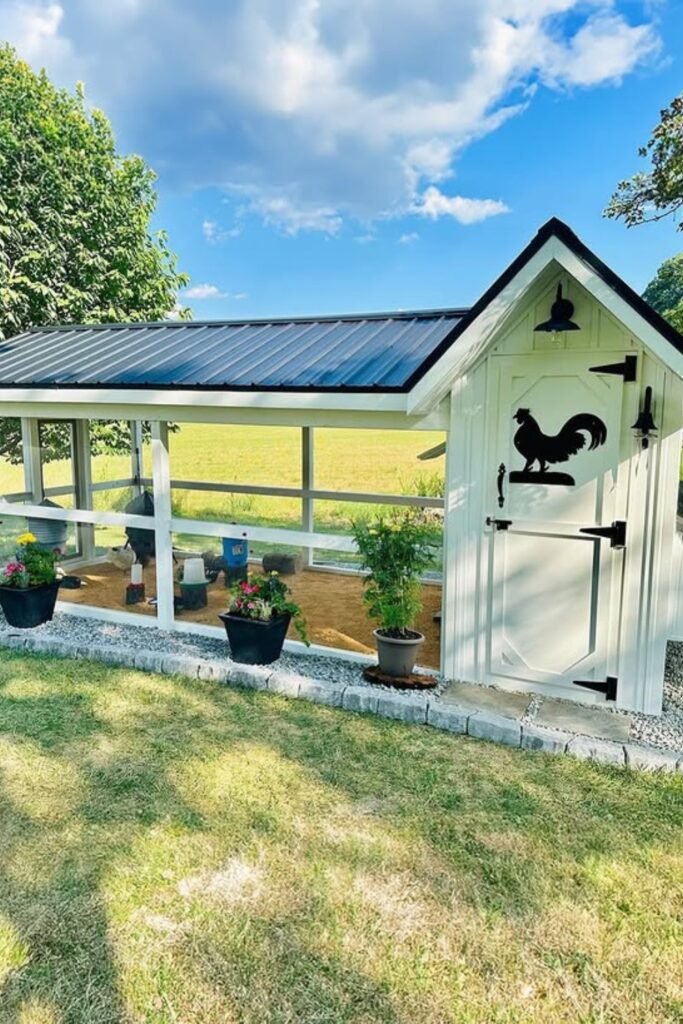
Side Run Coop
If you want more space without making the coop bulky, you can extend the run to the side.
You’ll keep the main coop simple while giving your chickens room to move freely.
You should use a sloped roof over the run for weather protection and mesh sides for airflow, you’ll notice it works best if your yard is open and spacious.
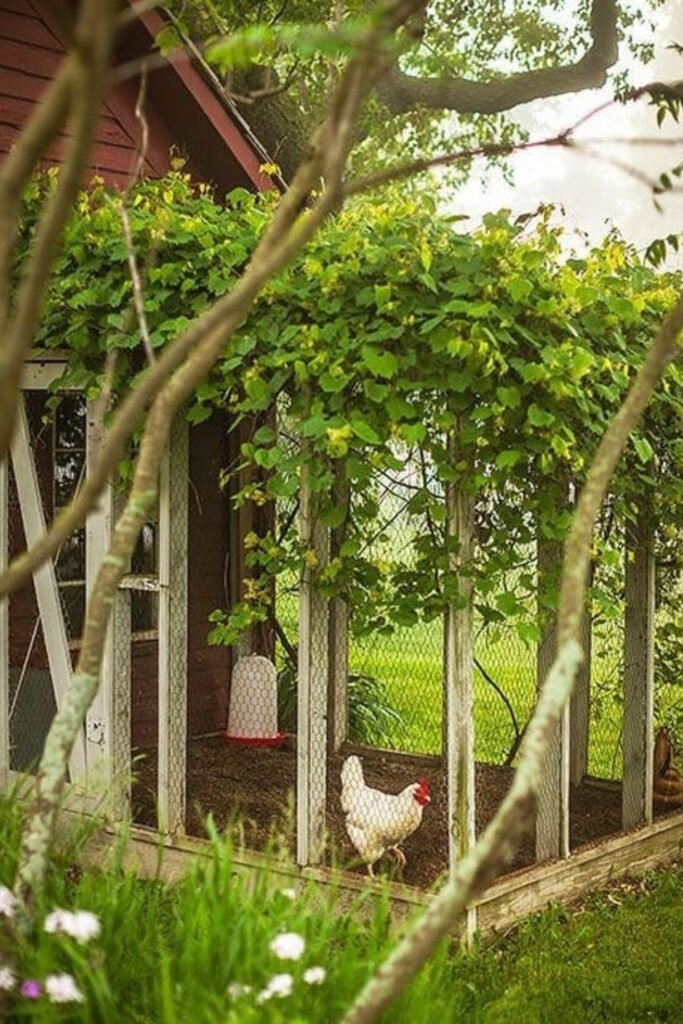
Natural Shade Coop
When your yard gets a lot of sun, you can place your coop under trees and let vines grow over the run.
You’ll create natural shade and keep the space cooler without spending extra money.
You should use simple wooden framing and mesh, you’ll let plants do the rest.
This works best if your backyard is green and you want to use nature to control heat.
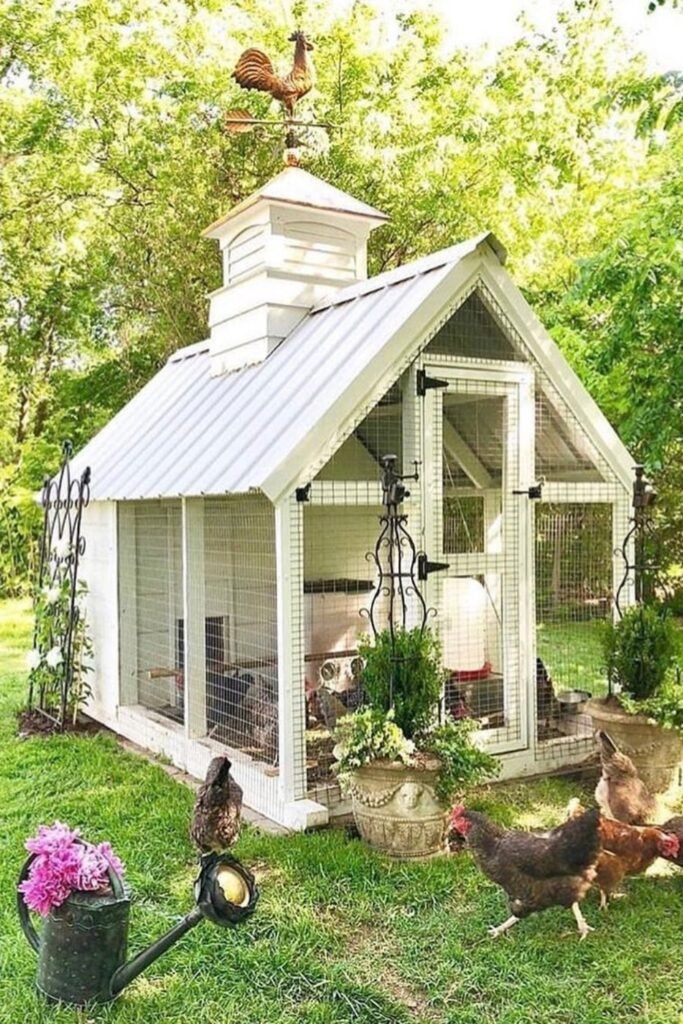
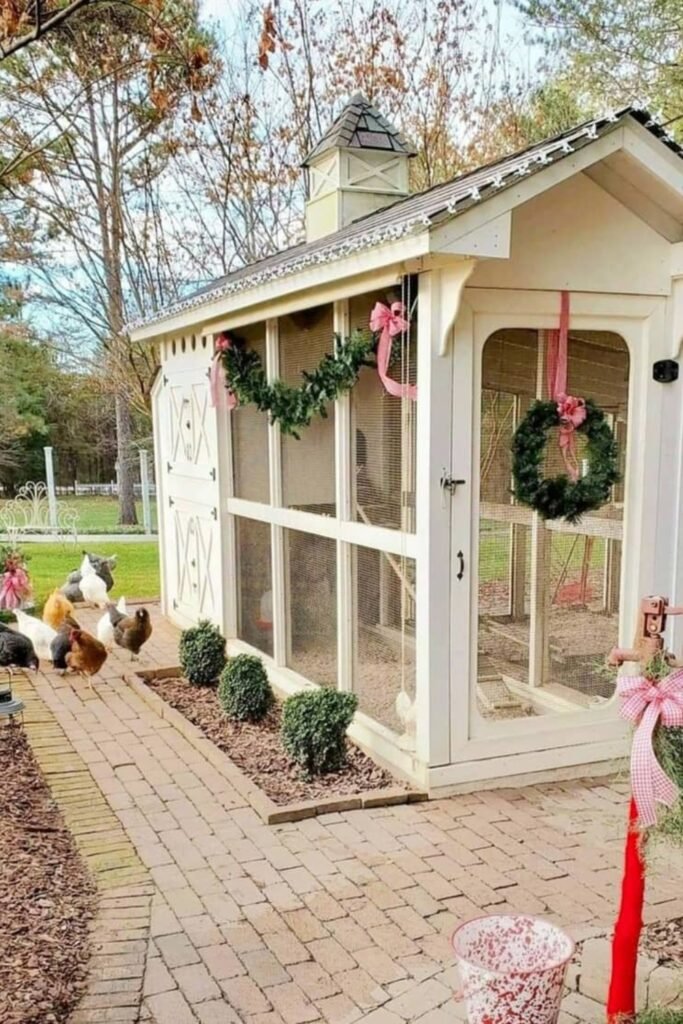
Decorative Backyard Coop
If you care about how your coop looks, you should design it as part of your landscape instead of hiding it.
You’ll want clean white wood, neat pathways, and simple decorations to match your yard, you’ll see it works best if your backyard is well-maintained.
You still get a functional coop, but you’ll also enhance the overall look of your space.
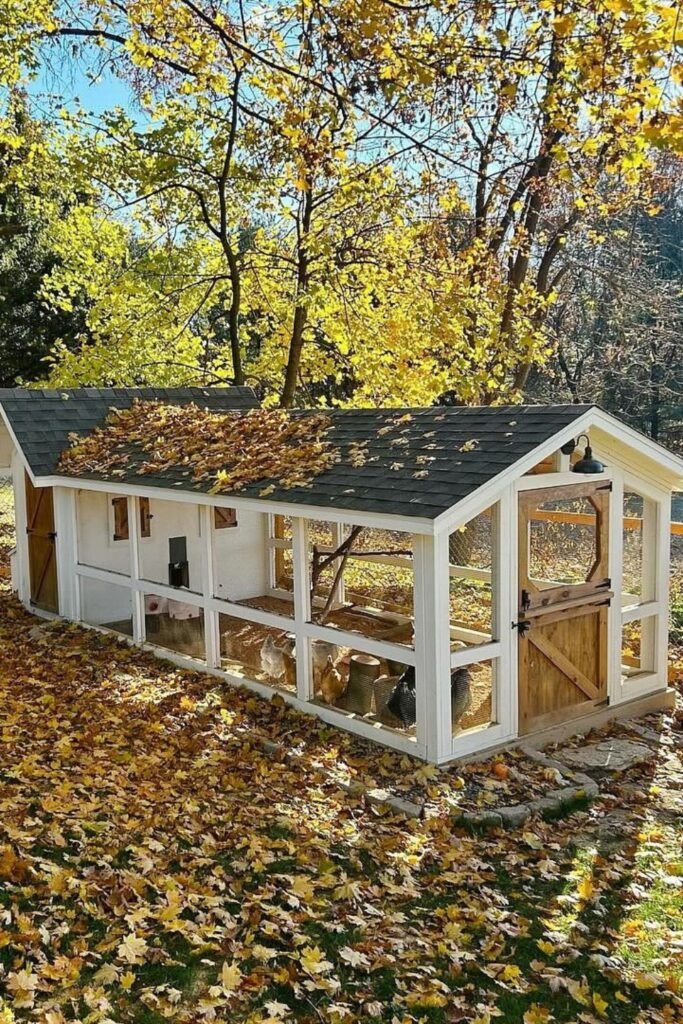
Low Profile Coop
If you want something stable and easy to access from all sides, you should keep the coop low and stretched out.
You’ll find it works well for small flocks and makes cleaning and feeding simple.
You should use a long wooden frame with mesh panels and a solid roof, you’ll see it fits nicely under trees and handles wind better than tall structures.
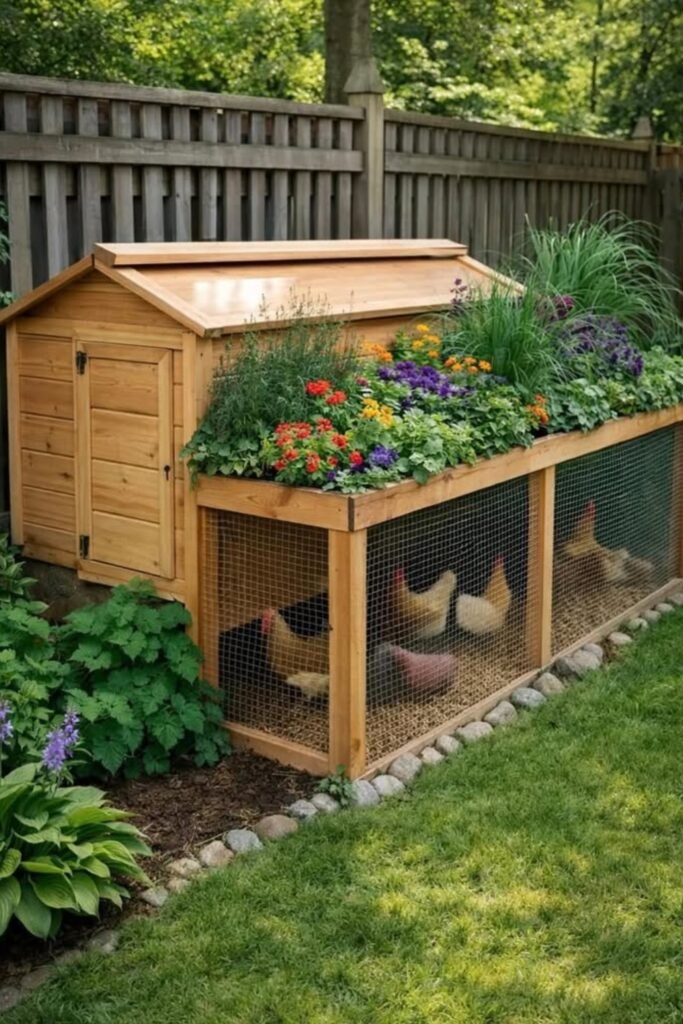
Garden Bed Coop
If you want to use every inch of space, you can turn the top of your coop into a garden bed.
You’ll get fresh plants while adding insulation to the coop below.
You should use a strong flat roof and line it properly before adding soil, you’ll see it works best in small backyards where you want both chickens and a bit of gardening in one setup.
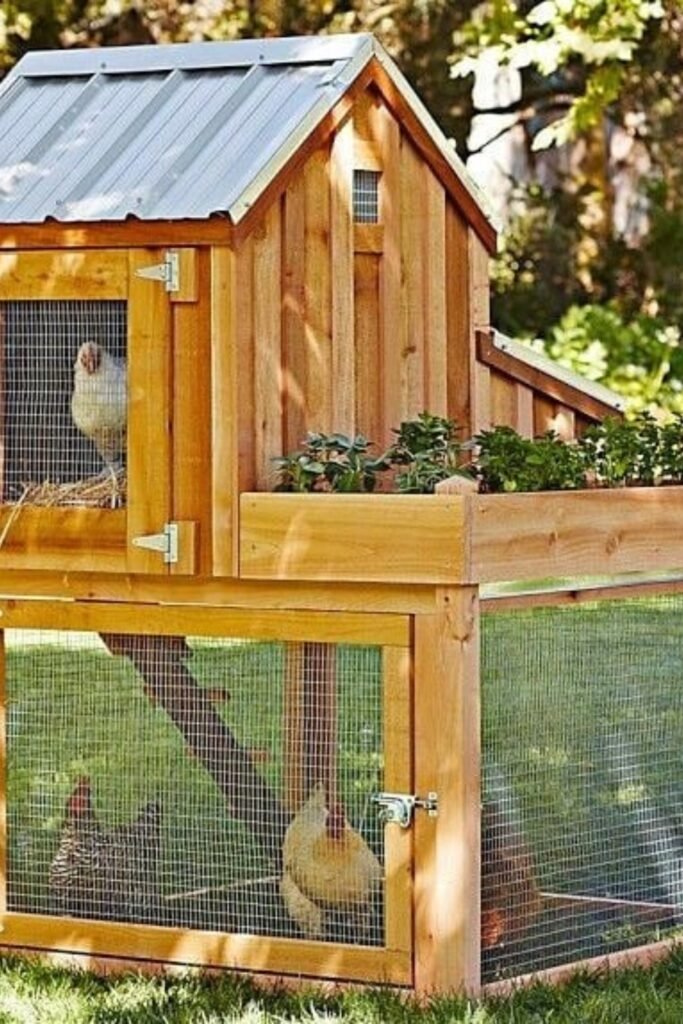
Raised Garden Coop
If you want a small coop that does more than just house chickens, you can combine it with a planter.
You’ll see that the raised design keeps everything clean and dry, while the side garden gives you extra use.
You should build a simple wooden frame and add a secure mesh run underneath, you’ll find it works best if your yard is compact and you want both function and a bit of greenery together.
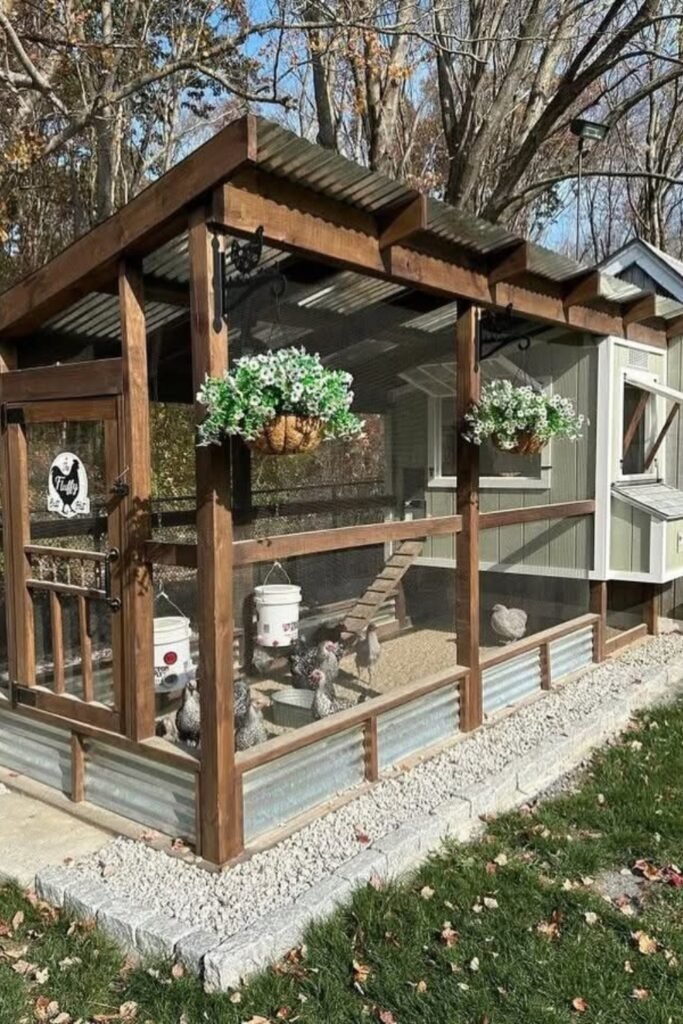
Covered Porch Coop
When you want your chickens protected without closing everything in, you can add a covered porch-style run.
You’ll notice it gives shade, airflow, and shelter all at once.
You should use wooden posts, metal roofing, and mesh sides, you’ll see this setup works great if your chickens spend most of the day outside but still need protection from rain and sun.
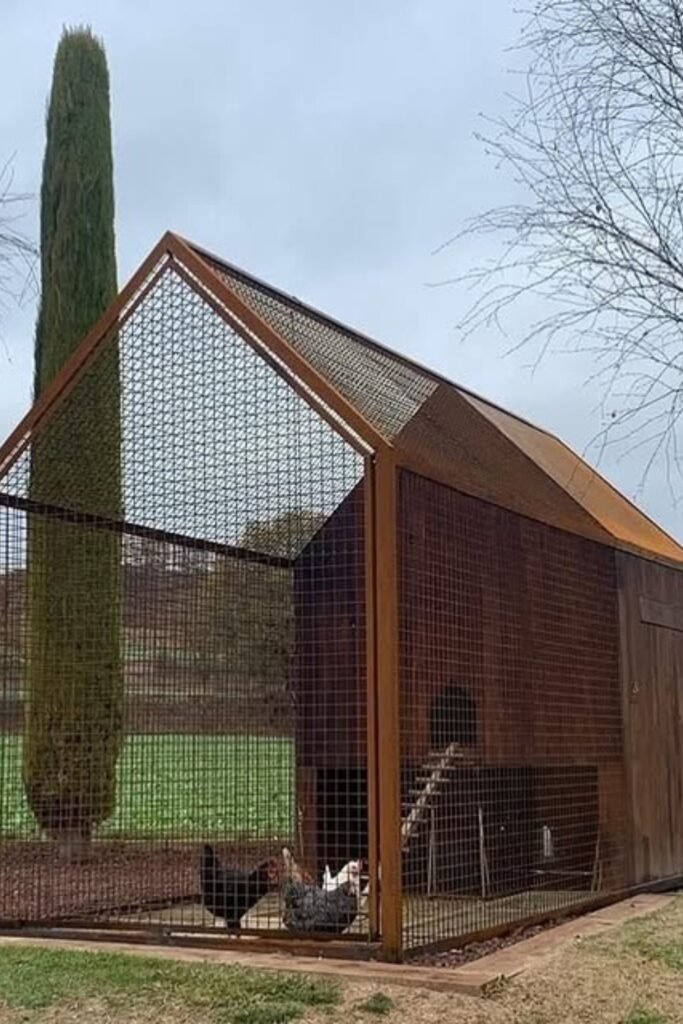
Full Mesh Coop
If you want maximum airflow and visibility, you can go with a fully enclosed mesh structure.
You’ll keep your chickens secure while letting fresh air move freely from every side.
You should use a strong metal or wooden frame and tightly secured wire panels, you’ll find this setup works best in open areas where ventilation matters more than insulation.
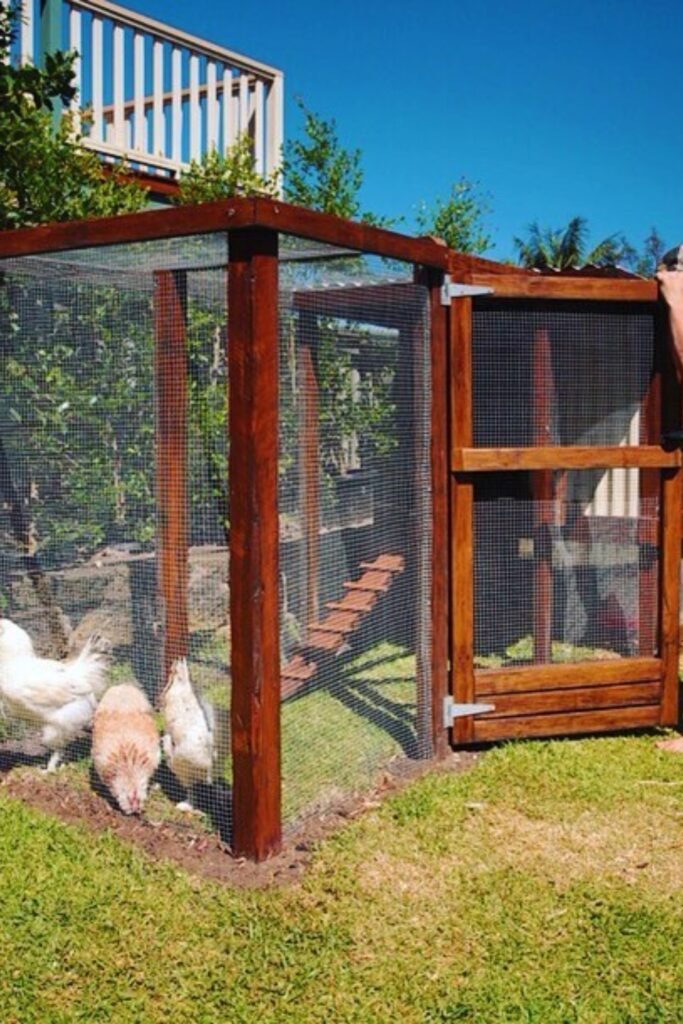
Backyard Pen Setup
If you already have a coop and just need more space, you can build a simple wooden pen around it.
You’ll see it’s quick to make using basic posts and mesh, and you can adjust the size anytime.
You should add a proper gate so you can easily step in for feeding and cleaning, you’ll notice this works best in small yards where you want controlled movement.
FAQs
How Much Space Do Chickens Really Need in a Coop?
If you keep your chickens in a tight space, you’ll see that they get stressed and may stop laying properly.
You should try to give at least 2-4 square feet per chicken inside the coop, and you can give even more space in the run.
If you can, you should always go a little bigger than you think you need, you’ll find that extra space keeps your chickens healthier and makes your cleaning much easier.
Can You Build a Chicken Coop Without Using Power Tools?
Yes, you can build a simple coop using basic tools, you’ll need just a hammer, nails, and a hand saw.
If you keep your design simple and use materials like pallets or pre-cut wood, you’ll see that you don’t need any advanced tools.
You should focus on making your structure strong and secure, you don’t need to worry about making it look perfect, and you’ll still end up with a coop that works great for you.

Hi, my name is Zeeshan, and I am the founder of The Crafts Geek. I have been passionate about DIY projects, home organization, and creative problem-solving for years. Over time, I realized that simple storage solutions and practical DIY ideas can make a huge difference in how a home looks and functions.