Last year, I thought building a duck enclosure would be simple, until my yard turned into a muddy mess and I realized how easy it is for predators to get in.
If you’re dealing with wet ground, bad smells, or ducks that just won’t stay safe, you’re not alone. Most DIY ideas look good but fail in real life.
In this article, you can build a clean, safe, and low-maintenance enclosure that actually works, and that’s exactly what you’ll learn here.
How Much Space Do 20 Ducks Need?
If you don’t give ducks enough space, you’ll notice problems fast. The ground turns into mud, the smell gets worse, and your ducks start stressing or fighting.
So before you build anything, you need to get this part right
If you can give more space, do it. Ducks don’t stay clean like chickens. They splash water, dig into the ground, and create mess quickly.
More space means less mud, less smell, and less cleaning for you.
Also, ducks don’t need height like chickens. They need ground space, not vertical space. So focus on making the area wider, not taller.
Get the space right first, and everything else becomes easier. Get it wrong, and you’ll keep fixing problems every week.
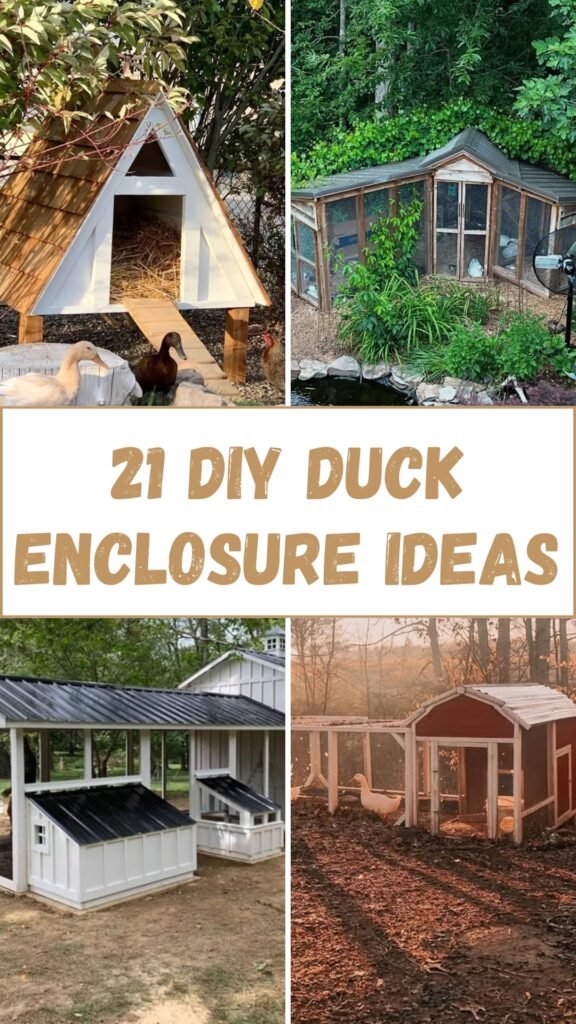
Elevated Shed Coop
If your ground stays wet most of the year, lifting the coop is the easiest fix.
Build a simple box-style shed using wood planks, then raise it on sturdy posts to keep moisture out. Add a wide door for easy cleaning access.
This setup works best in open fields or grassy areas where drainage is poor but you still want a dry, long-lasting shelter.
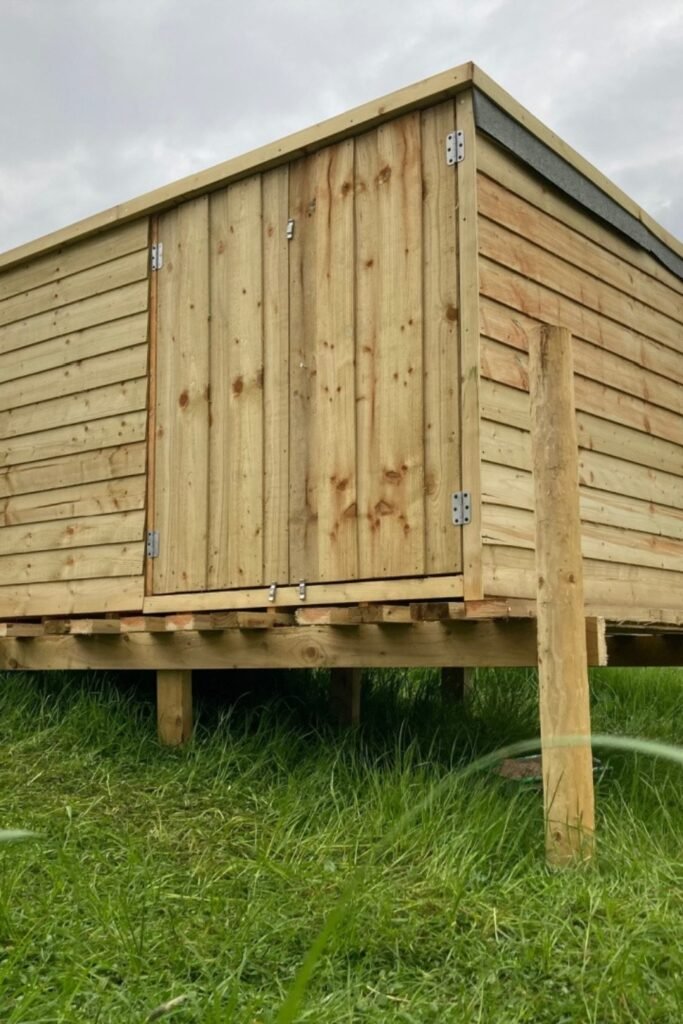
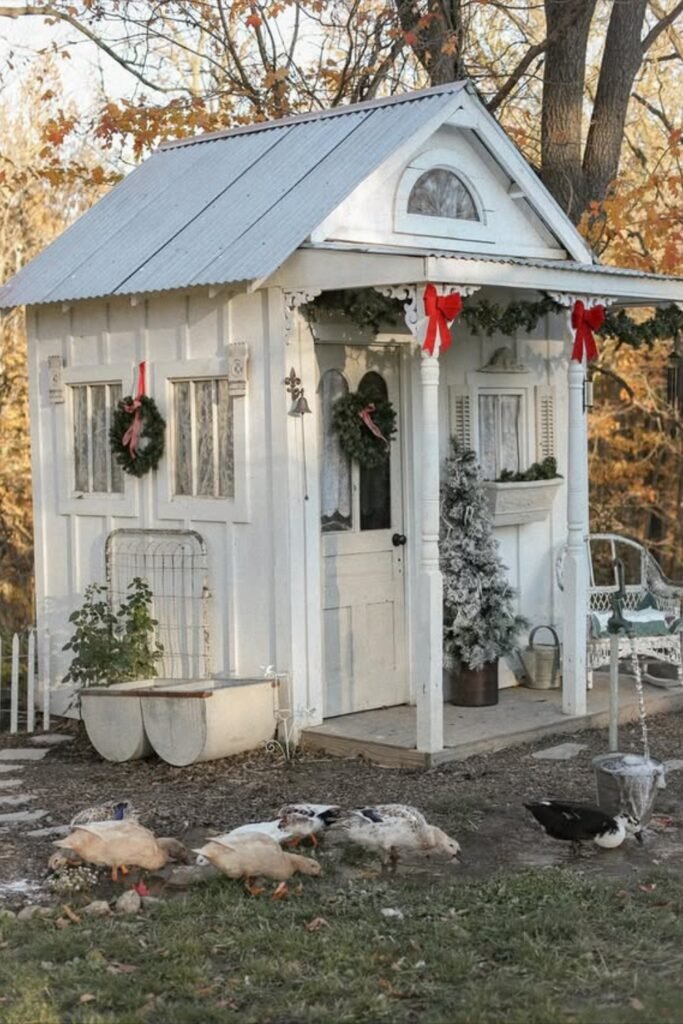
Cottage Style Shelter
Want your duck setup to blend into your backyard instead of looking like a farm pen?
Build a small cottage-style house using wood panels and a sloped metal roof for durability.
Add a covered porch so ducks stay dry during rain. Keep the entrance low and place it on slightly raised ground to avoid mud buildup right at the door.
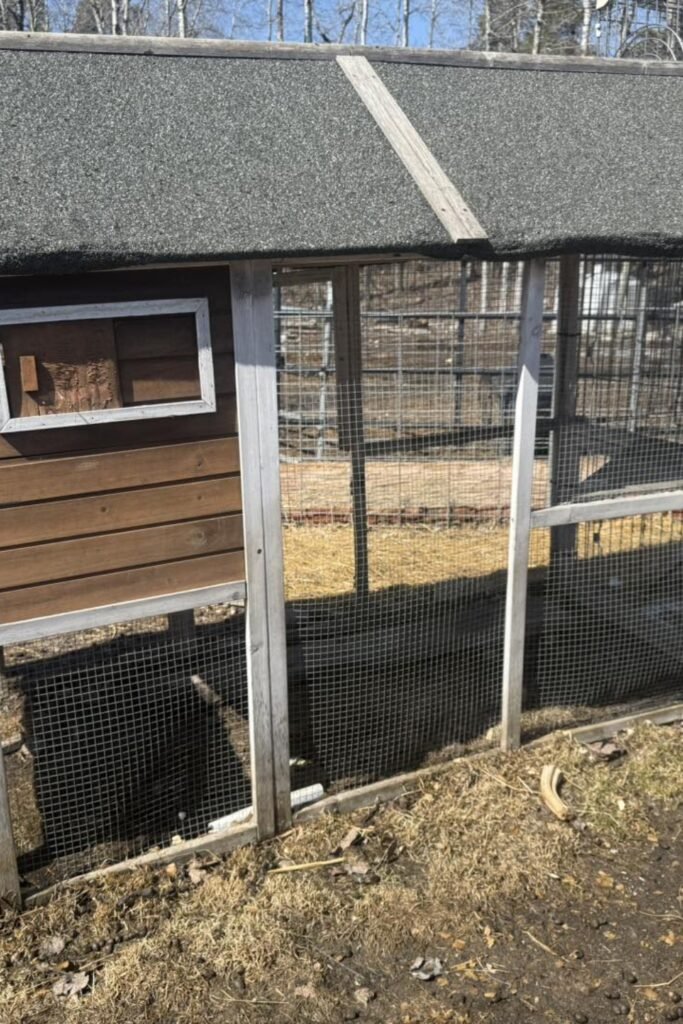
Secure Run Setup
Struggling with ducks wandering or predators sneaking in? Build a long, enclosed run using a wood frame and tight hardware cloth on all sides.
Add a solid roof panel to keep rain out and ground drier. Keep one section enclosed with wood for sleeping.
This works best if you want a low-maintenance setup where ducks stay safe without needing constant supervision.
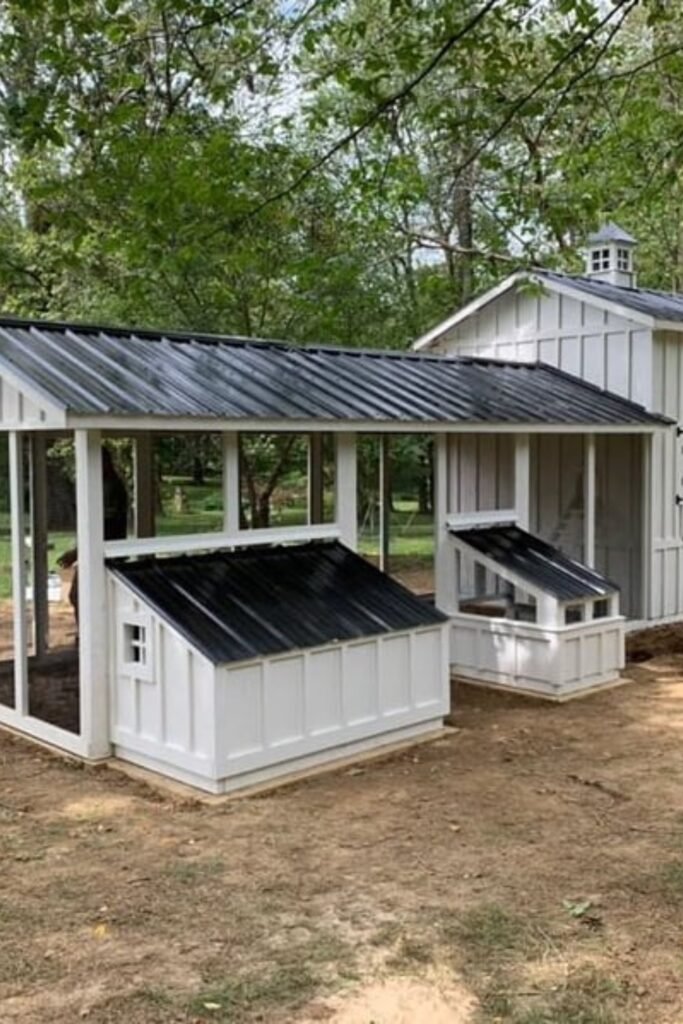
Covered Run Shelter
Tired of mud taking over your duck area? Build a wide covered run using a simple wood frame and metal roofing to keep most of the ground dry.
Add open sides with wire for airflow, and attach a closed coop at the back for sleeping.
This setup works great in rainy areas where controlling moisture makes all the difference.
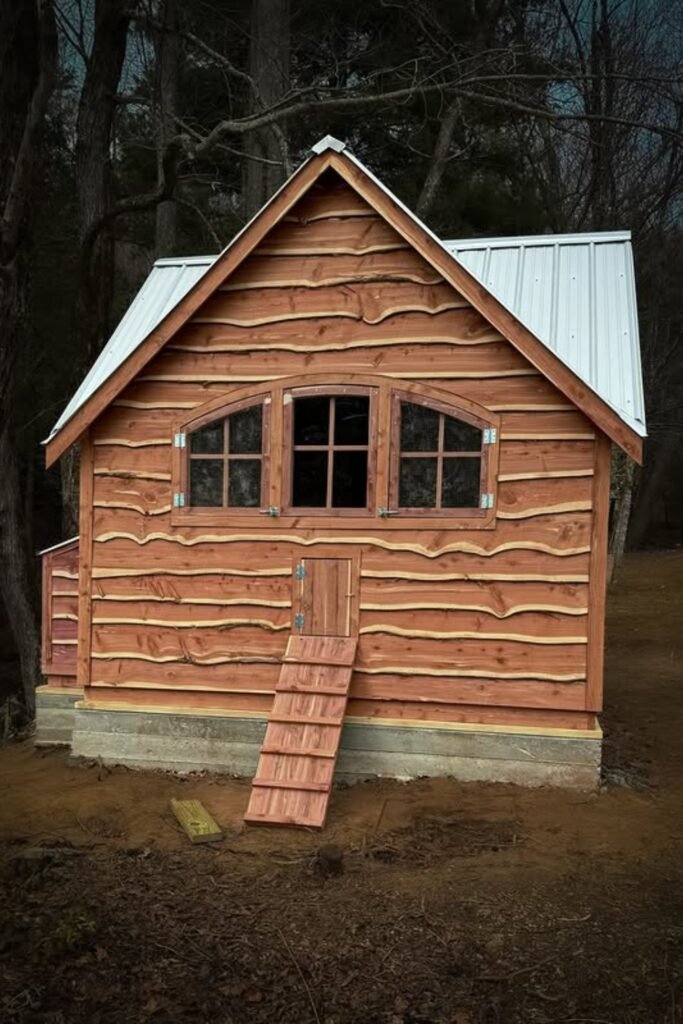
Raised Wooden Coop
Dealing with constant mud around your duck house? Lift the entire coop slightly off the ground using a concrete or wood base to keep the inside dry.
Use solid wood panels for walls and a metal roof for durability. Add a simple ramp for easy access, but keep it low since ducks don’t climb well.
This setup works best in wet areas where ground moisture is a daily problem.
Framed Run Build
If you want full control over size, start with a simple wood frame like this and expand it based on your space.
Build a solid enclosed coop on one side, then extend a long open run using posts and wire mesh.
Keep the roof partially covered to reduce mud. This setup works best when you have room and want something you can grow over time.
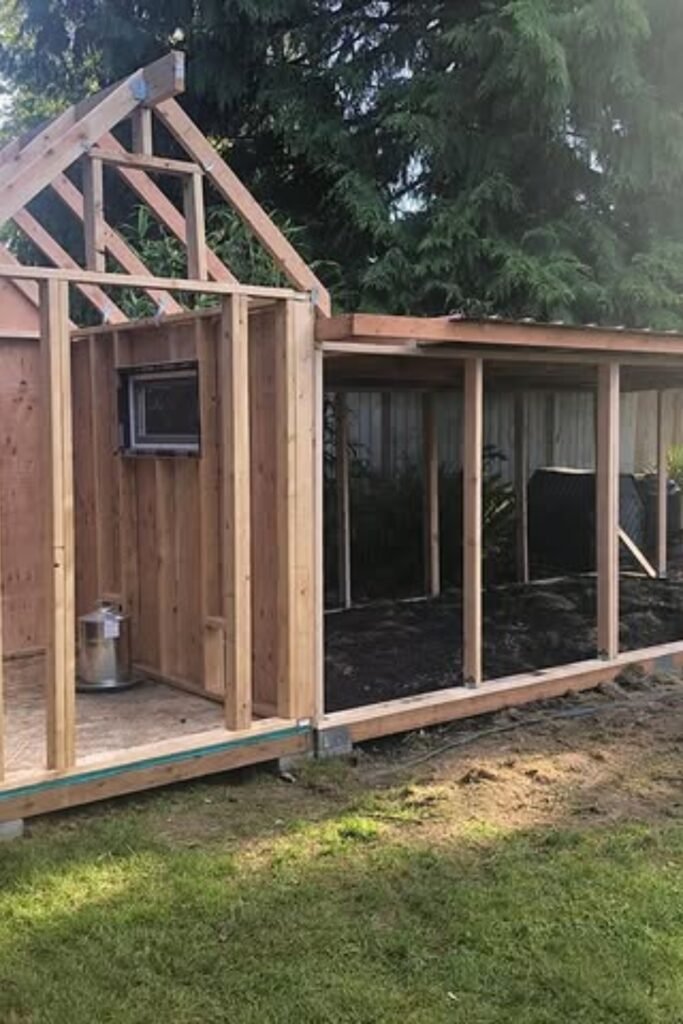
Compact Run Setup
Working with limited space? Build a small enclosed coop and extend a narrow run using a simple wood frame and wire mesh.
Keep it long instead of wide so ducks still get movement without needing a big yard.
Place it on slightly sloped ground or add a gravel base to avoid mud buildup, especially in shaded or wooded areas like this.
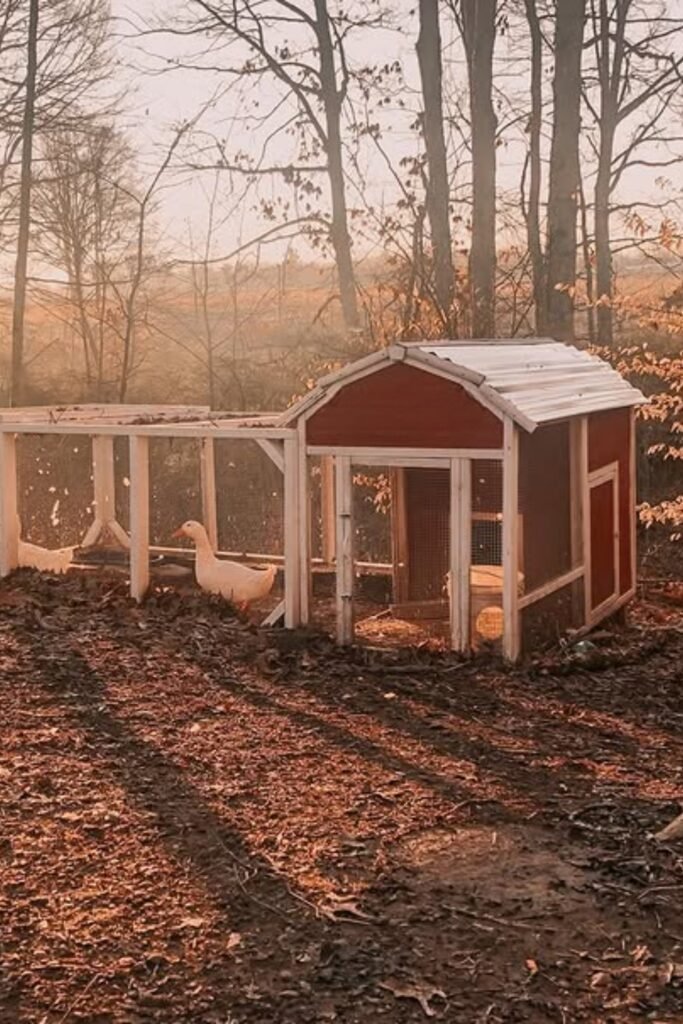
A-Frame Duck House
Need a quick build that doesn’t trap moisture? Go with an A-frame design using simple wood panels and shingles for the roof.
The angled sides naturally shed rain, keeping the inside dry without extra work. Raise it slightly on legs and add a short ramp.
This works best in small yards where you want something compact, clean, and easy to maintain.
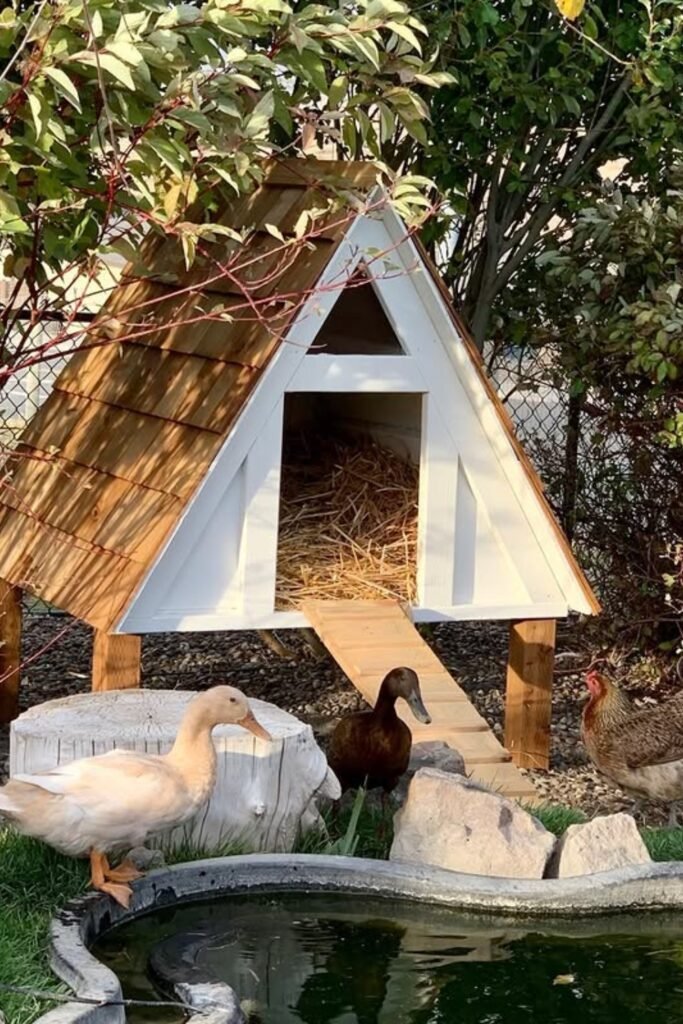
Playhouse Duck Coop
Turn it into a duck coop by adding ventilation, a secure door, and wire-covered windows.
Ducks don’t need fancy interiors, so focus on airflow and easy cleaning inside. Place it on bricks or pavers to keep the base dry.
This works best for backyard setups where you want something quick, sturdy, and already built.
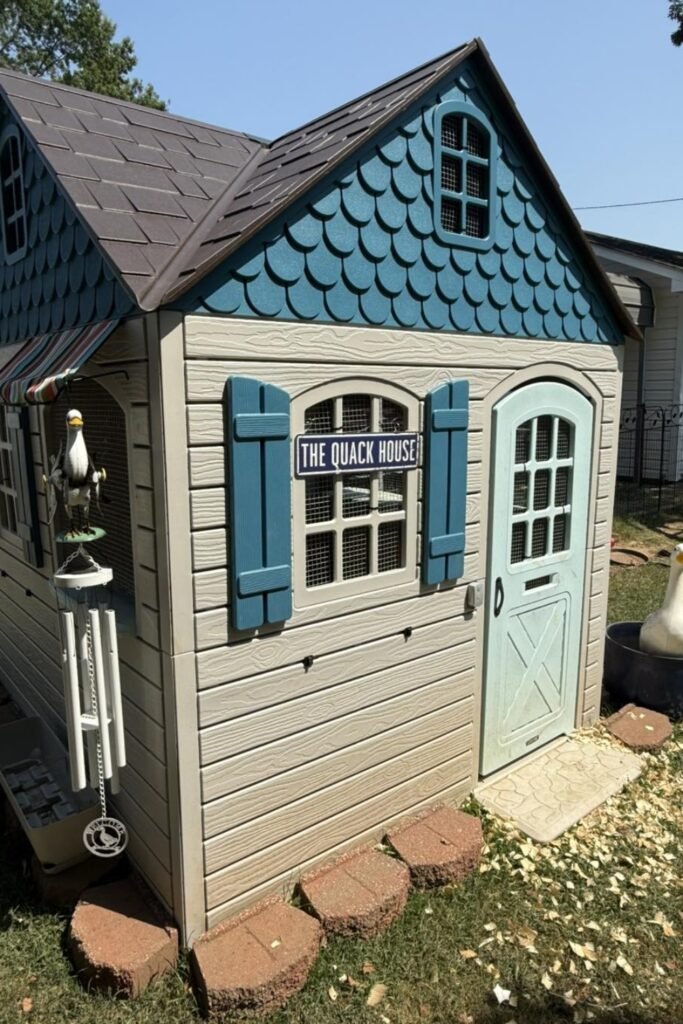
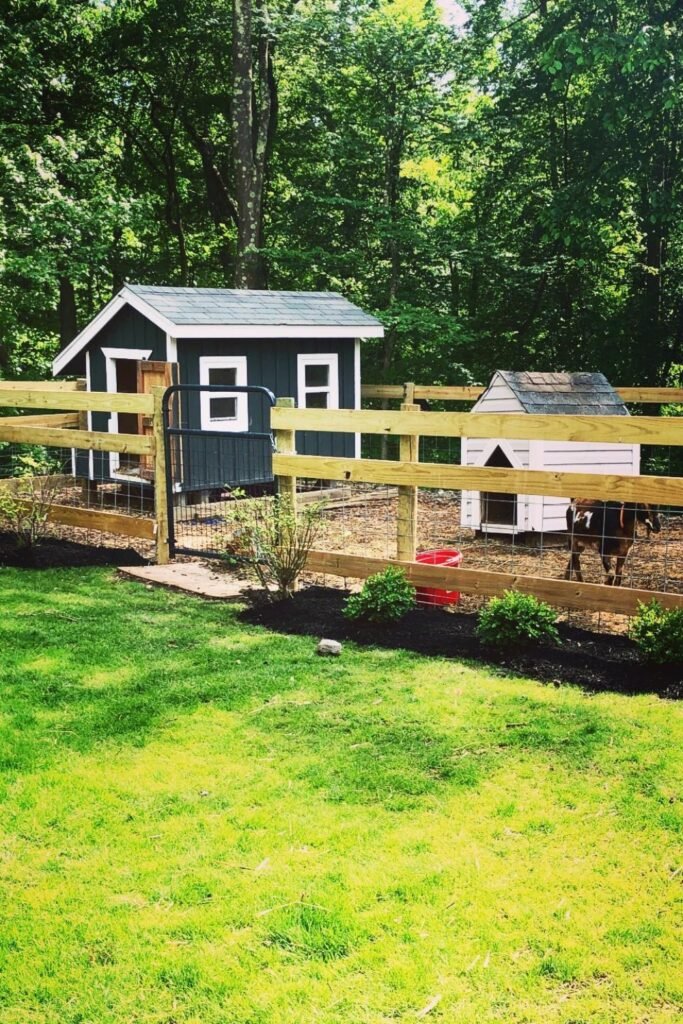
Fenced Duck Yard
If you want your ducks to move freely without escaping, build a simple fenced yard using wood posts and welded wire.
Add a secure gate so you can walk in easily for cleaning. Keep the coop inside the fence and spread mulch or gravel to control mud.
This setup works best for larger backyards where ducks need space but still stay protected.
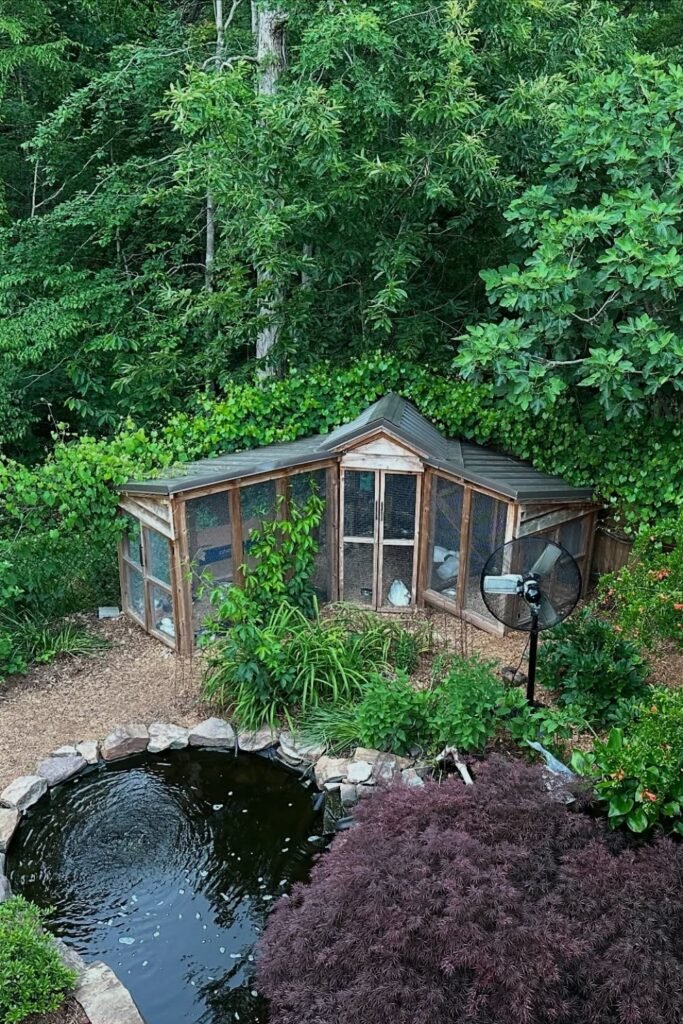
Pond Run Enclosure
If your ducks love water, build the enclosure around a small pond instead of adding water later.
Use a wood frame with mesh panels to create a secure run, then surround the pond with rocks and gravel to control splashing and mud.
Keep the coop attached but slightly elevated. This setup works best in larger gardens where you want a natural, low-stress environment.
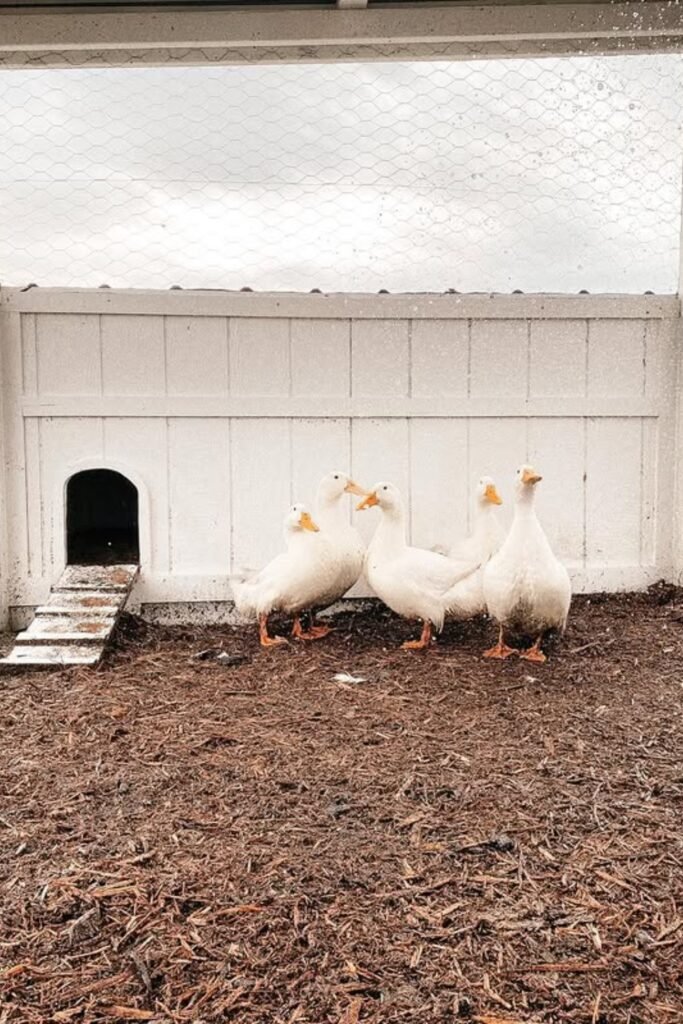
Mulch Floor Run
If mud keeps taking over your duck area, switch the ground to wood mulch instead of bare soil.
Lay it thick so it absorbs water and reduces smell fast. Pair it with a simple enclosed shelter and a low ramp for easy access.
This setup works best in flat yards where drainage is poor but you still want a clean, low-maintenance surface.
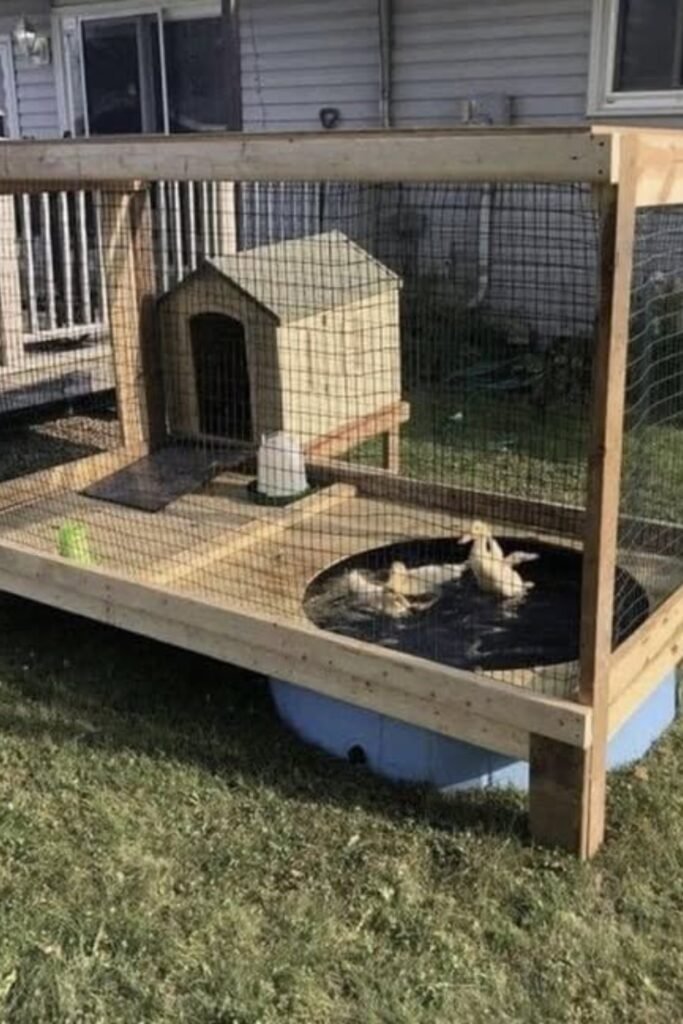
Raised Duck Pen
Want to stop mud completely? Build a raised enclosure using a simple wood frame and lift it off the ground.
Add wire mesh on all sides for airflow and safety, then place a small coop inside.
You can even fit a water tub underneath or inside without flooding the area. This works best for small flocks where cleanliness is your top priority.
Compact Coop Combo
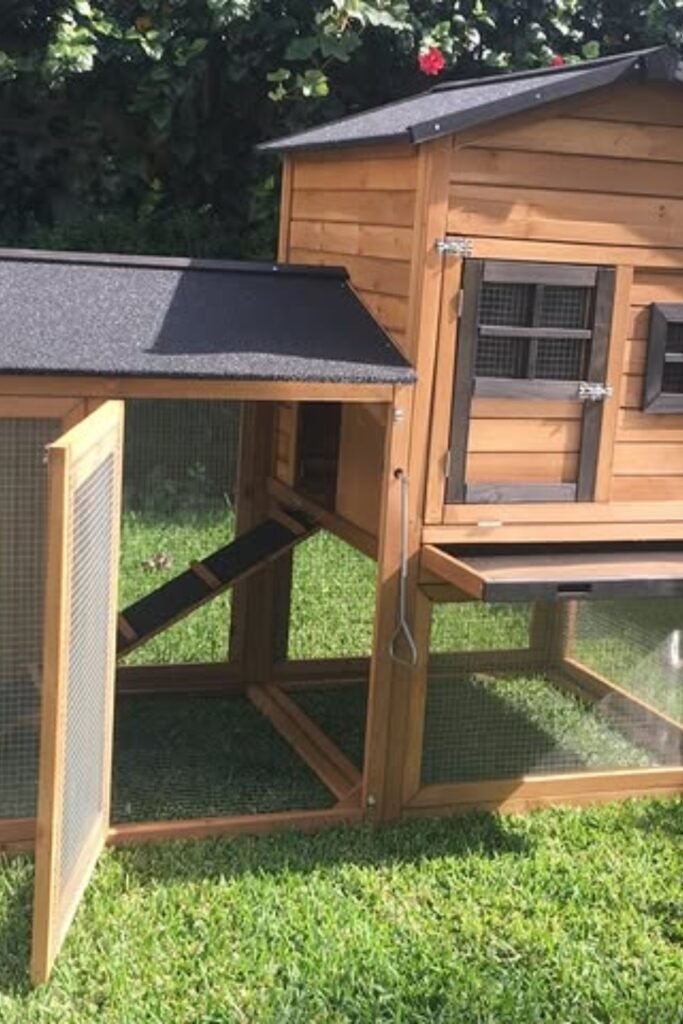
If you want everything in one place, build a compact combo with a raised coop and a small attached run.
Use a wooden frame with mesh panels for the run and keep the coop slightly elevated for dryness.
Add a drop-down door for easy cleaning access. This setup works well for beginners with a small flock and limited backyard space.
Gravel Base Run
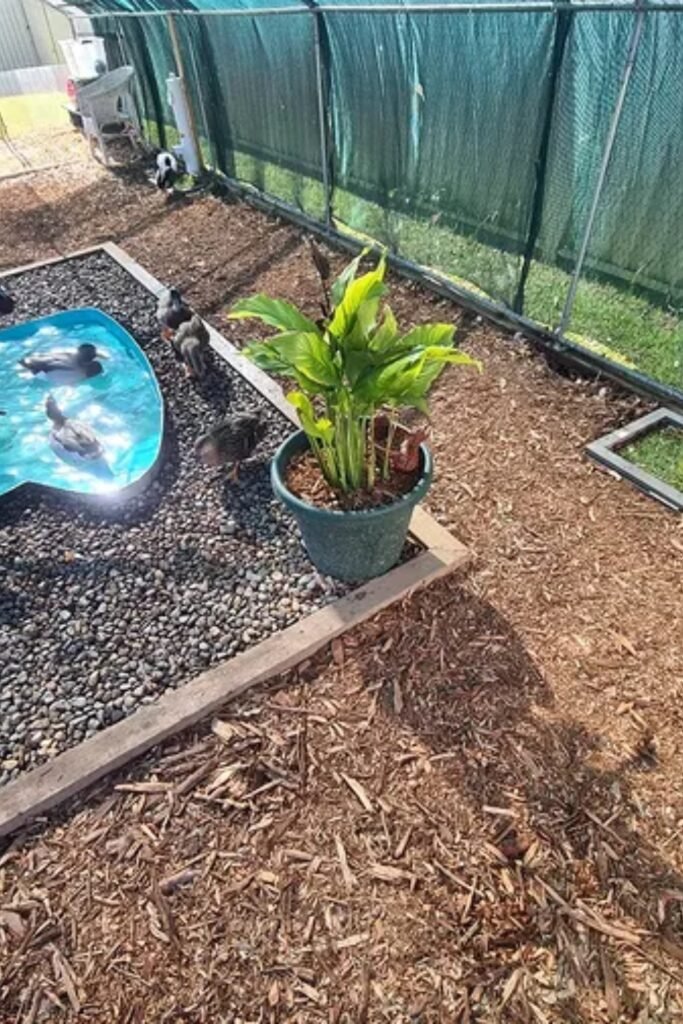
If your ducks keep turning everything into sludge, switch to a gravel base around the water area.
Frame a section, fill it with stones, and place the pool right on top so splashing drains instead of pooling. Keep the rest of the run covered with mulch.
This setup works best when you want cleaner feet, less smell, and almost zero mud near water.
Hoop Style Run
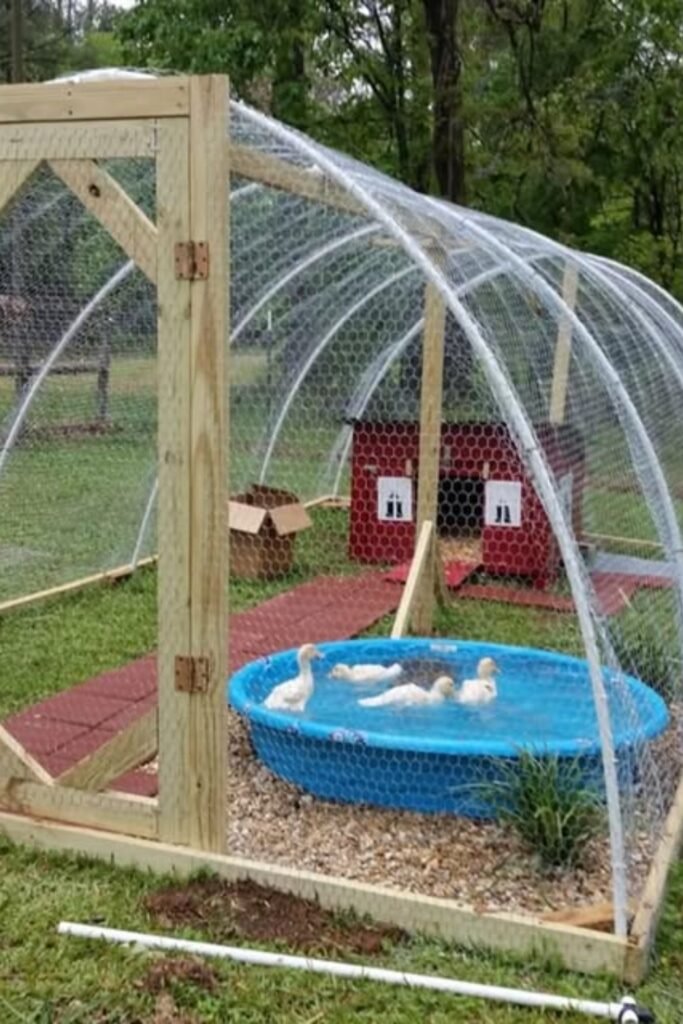
If you want a fast build without heavy framing, bend PVC pipes into hoops and cover them with wire mesh to create a tunnel-style run.
Anchor the base with wood to keep it stable, then add a small coop inside. The curved roof sheds rain and gives full coverage.
This works best for medium spaces where you need protection without complex construction.
Barrel Style Shelter
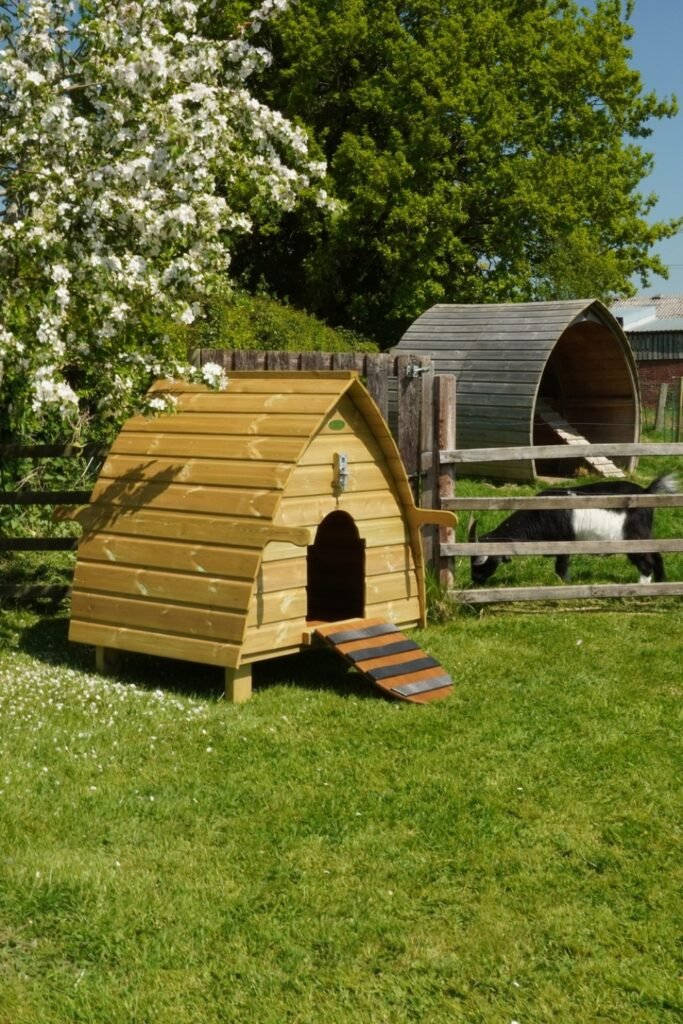
Shape curved wooden panels into a barrel-style house that naturally sheds rain and wind.
Keep it low to the ground with a short ramp so ducks can walk in easily. Place it inside a fenced yard for safety.
This works best if you need a simple, weather-resistant shelter you can build fast.
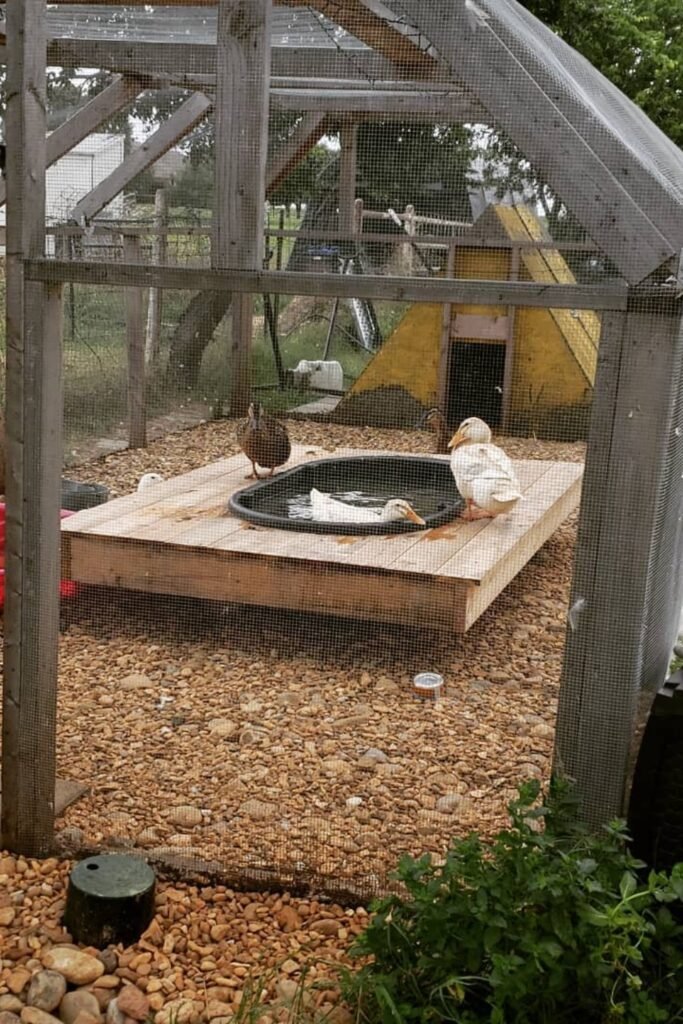
Platform Pool Setup
Water turning your whole pen into mud? Raise the pool on a simple wooden platform so splashes stay contained.
Fill the surrounding area with gravel to help drainage and keep feet clean. Enclose the space with mesh for safety, and keep the coop slightly away from the water zone.
This works best when you want a clean setup without constantly dealing with wet ground.
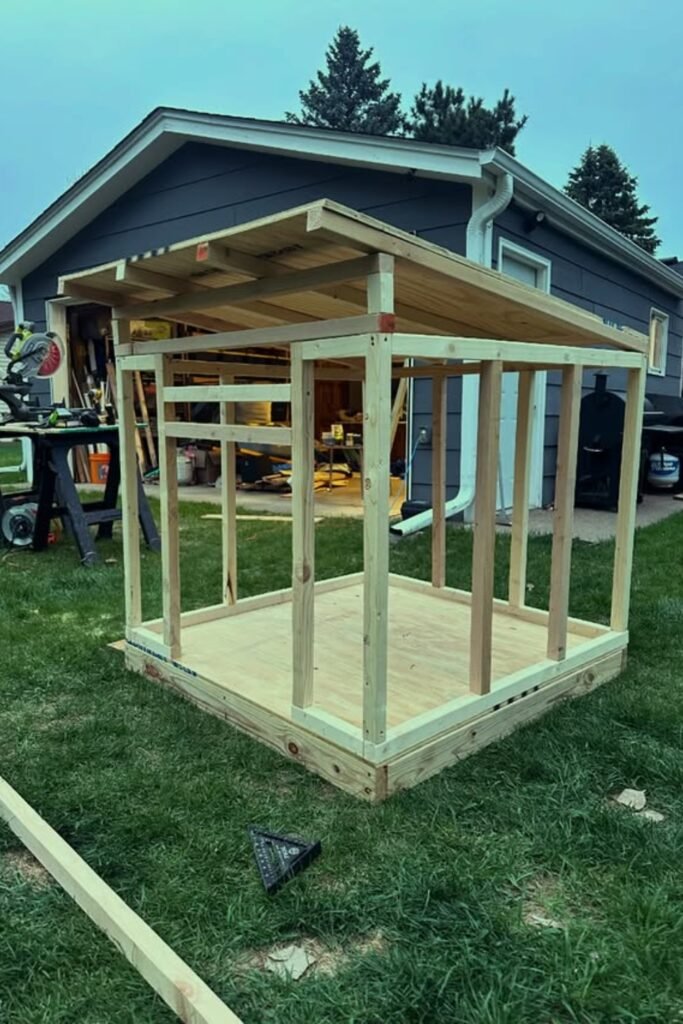
Starter Frame Build
Starting from scratch? Build a simple wooden frame like this and customize it based on your space and needs.
Add mesh panels for the run, then close off one side to create a sleeping area. Keep the roof slightly sloped so water doesn’t sit on top.
This setup is perfect if you want a flexible base you can expand later.
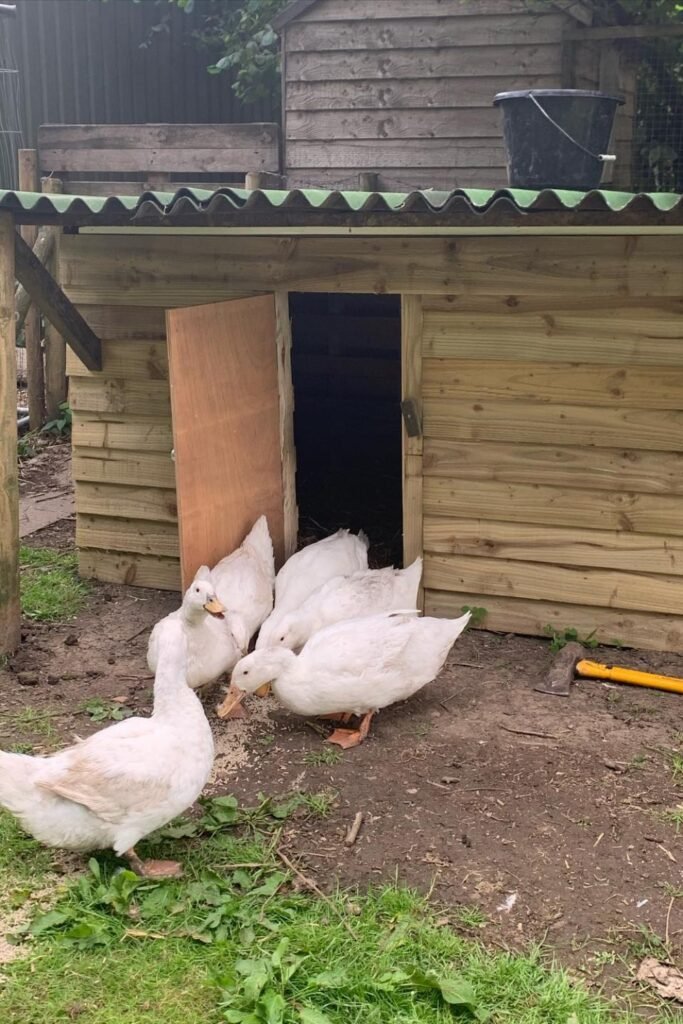
Lean-To Duck Shelter
Need a quick shelter that keeps rain off without overbuilding? Attach a simple lean-to roof using wood posts and corrugated sheets against a basic wooden coop.
The extended roof creates a dry area right outside the door, which helps reduce mud where ducks gather most.
This works best in small yards where you want a fast, budget-friendly upgrade.
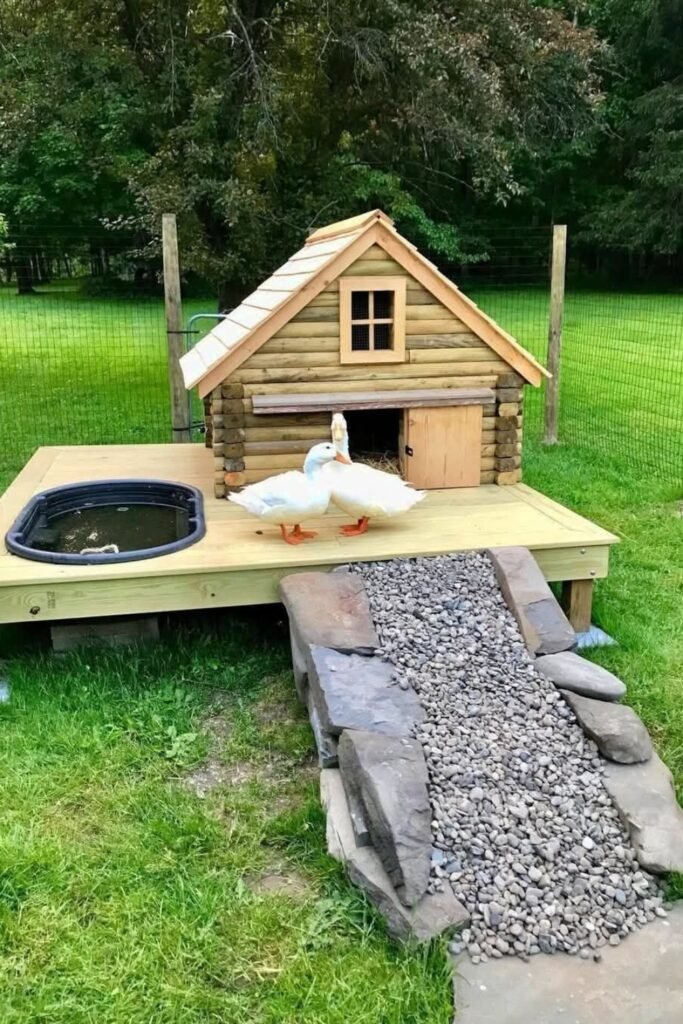
Elevated Duck Platform
Want to keep water and mud under control? Build a raised wooden platform and place both the coop and pool on top.
Add a gravel ramp so ducks can walk up easily without slipping. The height keeps the main area dry, while water stays contained.
This works best in grassy yards where ground quickly turns messy after splashing.
FAQs
How Do You Keep a Duck Enclosure from Getting Muddy?
Start by fixing drainage first, not after the problem shows up.
Use gravel or mulch instead of bare soil, and keep the water area separate or slightly raised.
If you place the pool directly on dirt, it will turn into mud fast.
A simple slope or gravel base can save you hours of cleaning every week.
What is the Best Material for a Duck Enclosure?
Go with a wooden frame and cover it with hardware cloth, not chicken wire.
Chicken wire keeps ducks in, but it won’t stop predators.
For the floor, gravel and mulch work best because they handle water better than soil.
Keep the roof solid or partially covered so rain doesn’t make everything worse.

Hi, my name is Zeeshan, and I am the founder of The Crafts Geek. I have been passionate about DIY projects, home organization, and creative problem-solving for years. Over time, I realized that simple storage solutions and practical DIY ideas can make a huge difference in how a home looks and functions.